


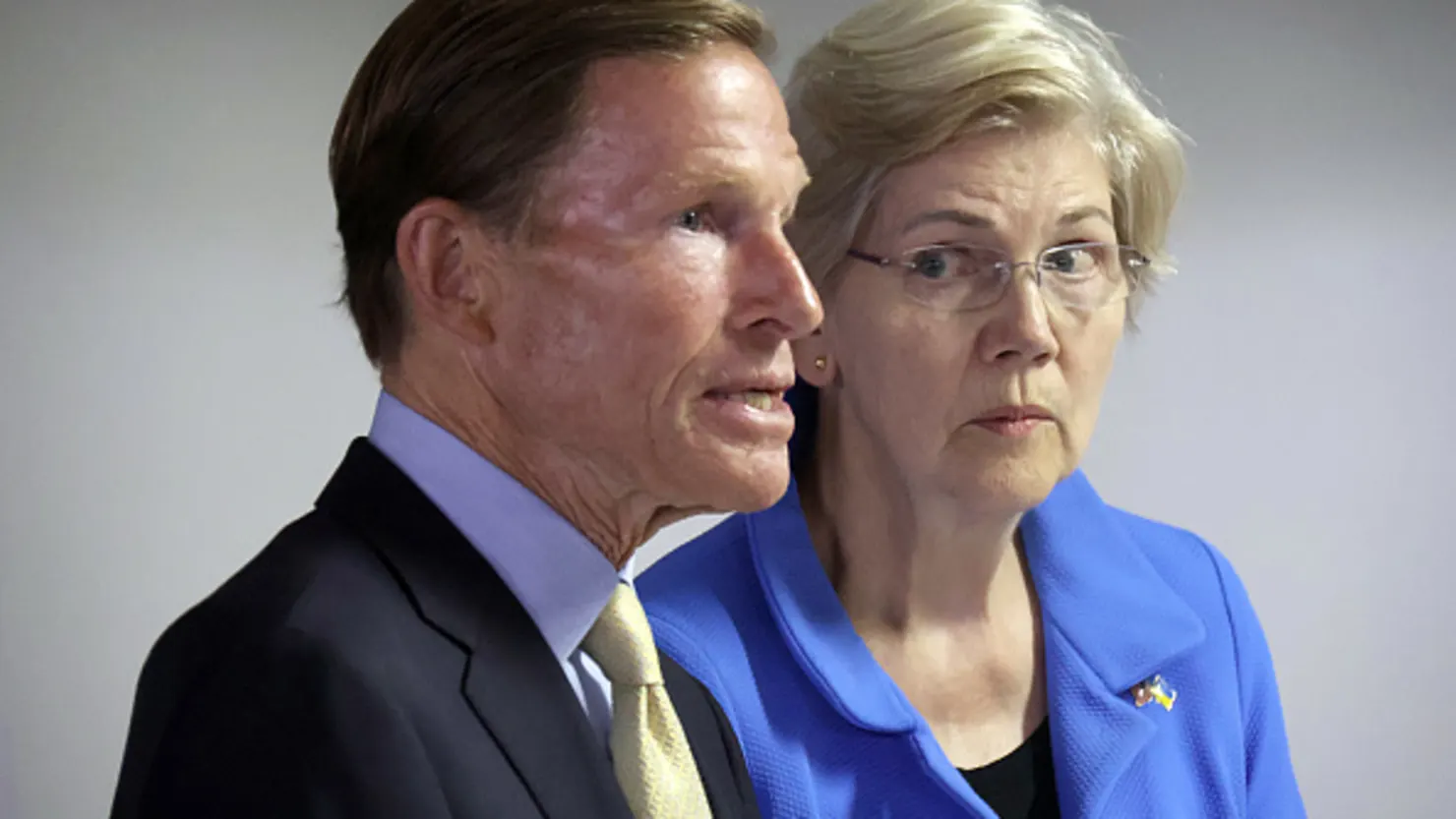
A new congressional probe has intensified scrutiny over federal labor enforcement decisions, as senators question why regulators dropped a high-profile case against SpaceX, a development YourDailyAnalysis examines as part of a broader shift in institutional behavior. Elizabeth Warren and Richard Blumenthal have formally requested internal records from the National Labor Relations Board following its decision to abandon claims that the company retaliated against employees who criticized Elon Musk. The inquiry raises concerns about whether legal reasoning or political alignment shaped the outcome.
The dispute originates from complaints filed by former SpaceX employees who alleged wrongful termination after circulating an open letter that referenced workplace culture and misconduct concerns. Earlier regulatory action framed the dismissals as potential violations of labor law protections surrounding collective expression. However, the NLRB reversed course, asserting that SpaceX falls outside its jurisdiction and instead aligns with frameworks typically applied to transportation carriers, effectively transferring oversight to another agency with narrower protections.
This jurisdictional pivot introduces a complex legal reclassification with significant implications. YourDailyAnalysis notes how the decision hinges on interpreting SpaceX as an air carrier due to limited contractual missions involving government mail delivery, a rationale that expands the boundaries of existing regulatory definitions. Such reinterpretations can reshape enforcement authority without requiring legislative change, allowing agencies to redirect cases through procedural mechanisms rather than direct rulings on merit.
Beyond legal technicalities, the timing of the decision intersects with broader political and economic considerations. SpaceX is reportedly preparing for a potential public offering that could value the company at approximately $2 trillion, elevating the stakes surrounding regulatory exposure. YourDailyAnalysis highlights how shifts in enforcement posture during pre-IPO phases can materially influence investor perception, especially when governance and labor practices come under scrutiny.
The senators’ request for communications between regulators and Musk’s representatives underscores concerns about external influence. Musk’s substantial financial support for political campaigns has drawn attention to potential intersections between corporate power and regulatory discretion. This dynamic reflects a deeper structural tension – where enforcement bodies must balance statutory interpretation with increasing pressure from high-profile corporate actors operating at the frontier of multiple regulatory domains.
Legal conflicts involving SpaceX are not isolated. The company has previously challenged the constitutional structure of the NLRB itself, seeking to limit the agency’s authority in adjudicating workplace disputes. These parallel legal strategies suggest a broader effort to redefine the regulatory perimeter governing emerging industries that do not fit neatly into traditional categories. The unfolding investigation carries implications that extend beyond a single case. If jurisdictional flexibility becomes a primary tool for resolving complex disputes, enforcement consistency may weaken across sectors where technological convergence blurs classification lines. Your Daily Analysis underscores that such precedents risk creating uneven accountability frameworks, where outcomes depend less on statutory protections and more on how entities are categorized within overlapping legal systems.