



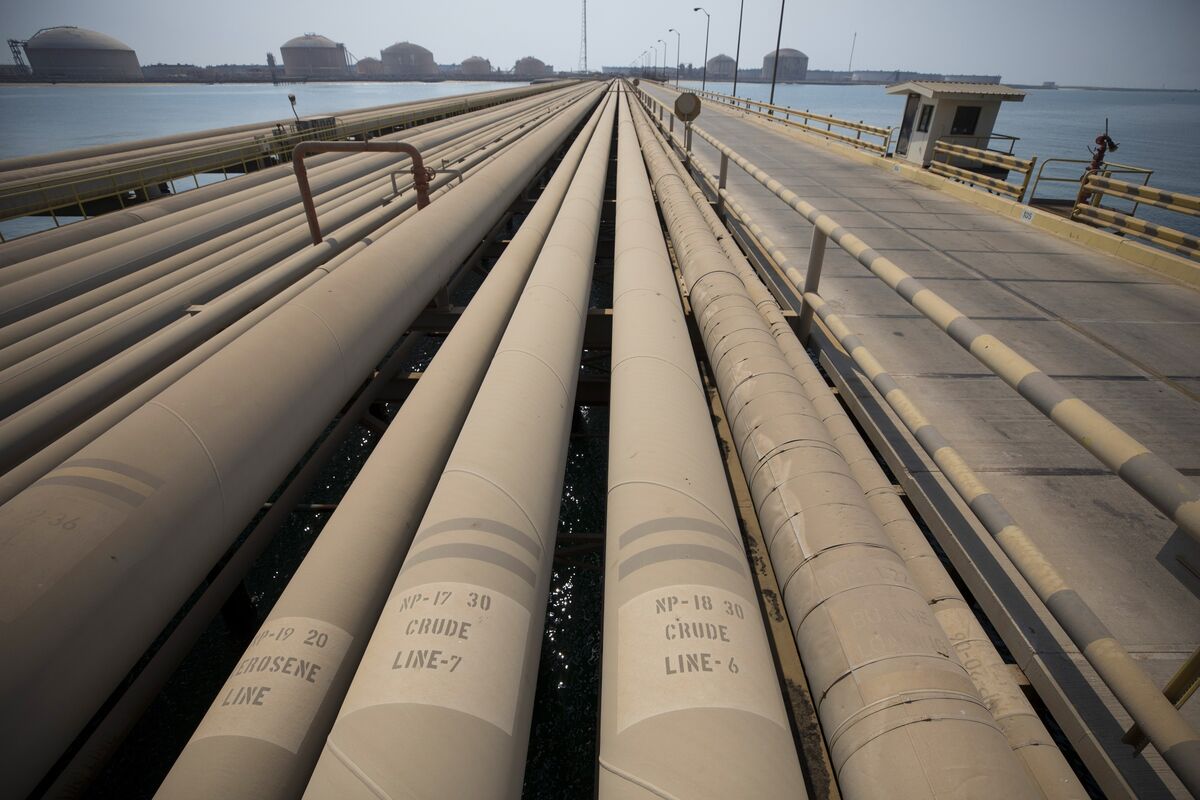
A severe contraction in Persian Gulf oil production is intensifying pressure on global energy markets, with output running roughly 14.5 million barrels per day below pre-war levels. This sharp decline, now exceeding half of the region’s typical supply, reflects a sustained disruption that YourDailyAnalysis identifies as one of the most acute supply shocks in recent years. The underlying driver remains the prolonged conflict involving Iran, which has effectively immobilized traffic through the Strait of Hormuz – a critical chokepoint for global oil flows. With maritime transit severely restricted and competing blockades limiting movement, crude shipments from key Gulf producers have stalled. As a result, Brent prices have climbed above $100 per barrel, marking a rapid escalation from pre-conflict levels below $75 and signaling tightening availability across international markets.
Restoration timelines appear constrained not only by physical damage but also by geopolitical uncertainty. Even under a scenario where the strait reopens fully and safely, production recovery is expected to take several months due to logistical bottlenecks, infrastructure recalibration, and the need to stabilize export routes. YourDailyAnalysis highlights that such lag effects amplify volatility, as markets must operate under prolonged supply deficits without immediate relief mechanisms.
The structure of global oil supply further magnifies the disruption. Persian Gulf producers occupy a central role in balancing international demand, particularly through flexible output capacity that can respond to shocks elsewhere. With this buffer effectively removed, alternative producers face limited ability to compensate in the short term. Inventory drawdowns and strategic reserves may offer temporary support, but they cannot fully offset sustained production losses of this scale. Price behavior reflects both immediate scarcity and forward-looking risk premiums. The recent rally in Brent futures incorporates expectations of continued supply constraints alongside uncertainty surrounding the conflict’s trajectory. YourDailyAnalysis emphasizes that energy markets are increasingly pricing geopolitical risk as a persistent variable rather than a transient factor, reshaping how traders and policymakers assess stability.
Beyond market pricing, the disruption carries broader economic implications. Elevated energy costs feed into transportation, manufacturing, and consumer sectors, reinforcing inflationary pressures at a time when many economies remain sensitive to cost shocks. Governments face renewed challenges in balancing energy security with fiscal discipline, particularly as subsidies or strategic interventions become more likely.
The prolonged impairment of a key energy corridor reveals a structural vulnerability in global supply chains. Concentration of critical flows through narrow geographic routes exposes markets to outsized disruption when conflict arises. Your Daily Analysis captures this dynamic as a turning point in energy geopolitics, where resilience strategies – diversification, alternative routing, and investment in non-fossil energy – gain urgency as safeguards against recurring systemic shocks.