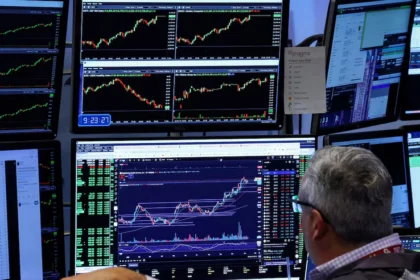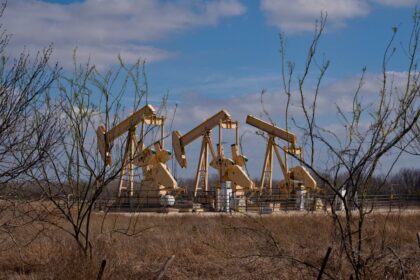


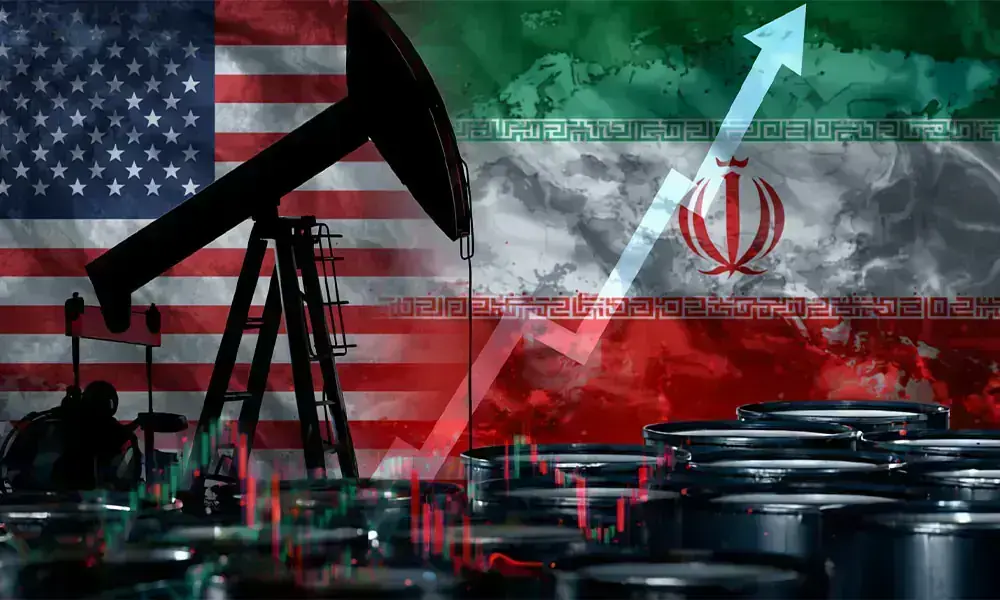
Oil prices climbed again on Friday as the Iran war kept the Strait of Hormuz locked inside a dangerous military and political stalemate, leaving traders to price not only lost barrels but also the risk of a wider confrontation. Brent rose to $111.29 a barrel, while WTI moved to $105.44, and YourDailyAnalysis reads the weekly surge as a market reaction to constrained supply routes rather than a standard geopolitical premium that can fade after a few headlines.
The scale of the move matters. Brent was heading for a 5.7% weekly gain, while WTI was on course for an 11.7% jump, with the expiring June Brent contract touching $126.41 – its highest level since March 2022. That price action carries a message beyond energy desks: the market is no longer treating the conflict as a temporary disruption around Iranian exports alone. The blockage affects the passageway through which roughly a fifth of global oil and liquefied natural gas shipments normally moves, turning a regional war into a stress test for the entire commodity system.
The ceasefire in place since April 8 has not restored confidence because it has not restored flow. Tehran’s warning that negotiations cannot deliver quick results keeps the diplomatic track alive but weak, while the U.S. Navy’s restrictions on Iranian crude exports preserve the pressure campaign from the other side. YourDailyAnalysis places the tension in the gap between military restraint and economic escalation: weapons may be quieter than before, yet shipping, insurance, freight rates and refinery planning remain exposed to decisions made far from trading floors.
There is a second layer beneath the visible price spike. Import-dependent economies now face a more complicated inflation problem, because energy shocks of this kind do not stay neatly inside gasoline or diesel. Higher crude costs travel through petrochemicals, food logistics, air travel, manufacturing inputs and household utility bills, often with delays that make them harder for central banks to isolate. If policymakers treat the shock as temporary and it lasts longer, credibility suffers; if they tighten into a supply crisis, growth absorbs the hit.
Regional politics add another unstable element. The UAE’s rejection of any unilateral Iranian arrangement over Hormuz freedom of navigation narrows the diplomatic space for a face-saving compromise, especially after accusations of aggression against neighboring states. YourDailyAnalysis treats that language as part of the market risk, not just political theatre, because navigation guarantees depend on trust between states that now have little incentive to grant it cheaply. A promise to reopen the route would not automatically normalize tanker movement if shipowners, insurers and buyers doubt its durability.
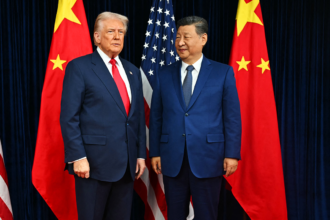
The U.S. side adds pressure through the possibility of renewed strikes. Reports that President Donald Trump was set to receive plans for fresh military action against Iran give oil markets another reason to keep a war premium embedded in prices, even after intraday retreats. Threats from Iran’s Revolutionary Guards of “long and painful strikes” on U.S. positions deepen that feedback loop: every military signal raises crude, and every rise in crude increases the economic cost of delay, making compromise both more urgent and politically harder.
For energy markets, the danger is no longer just scarcity. It is the loss of normal pricing behavior. When barrels become hostage to naval access, ceasefire language and retaliatory planning, benchmarks start absorbing risk that cannot be hedged cleanly with inventories or spare capacity. The final calculation from Your Daily Analysis is stark: the Strait of Hormuz has become less a chokepoint than a pricing weapon, and once markets accept that idea, even a partial reopening may not bring the old discount back quickly.