



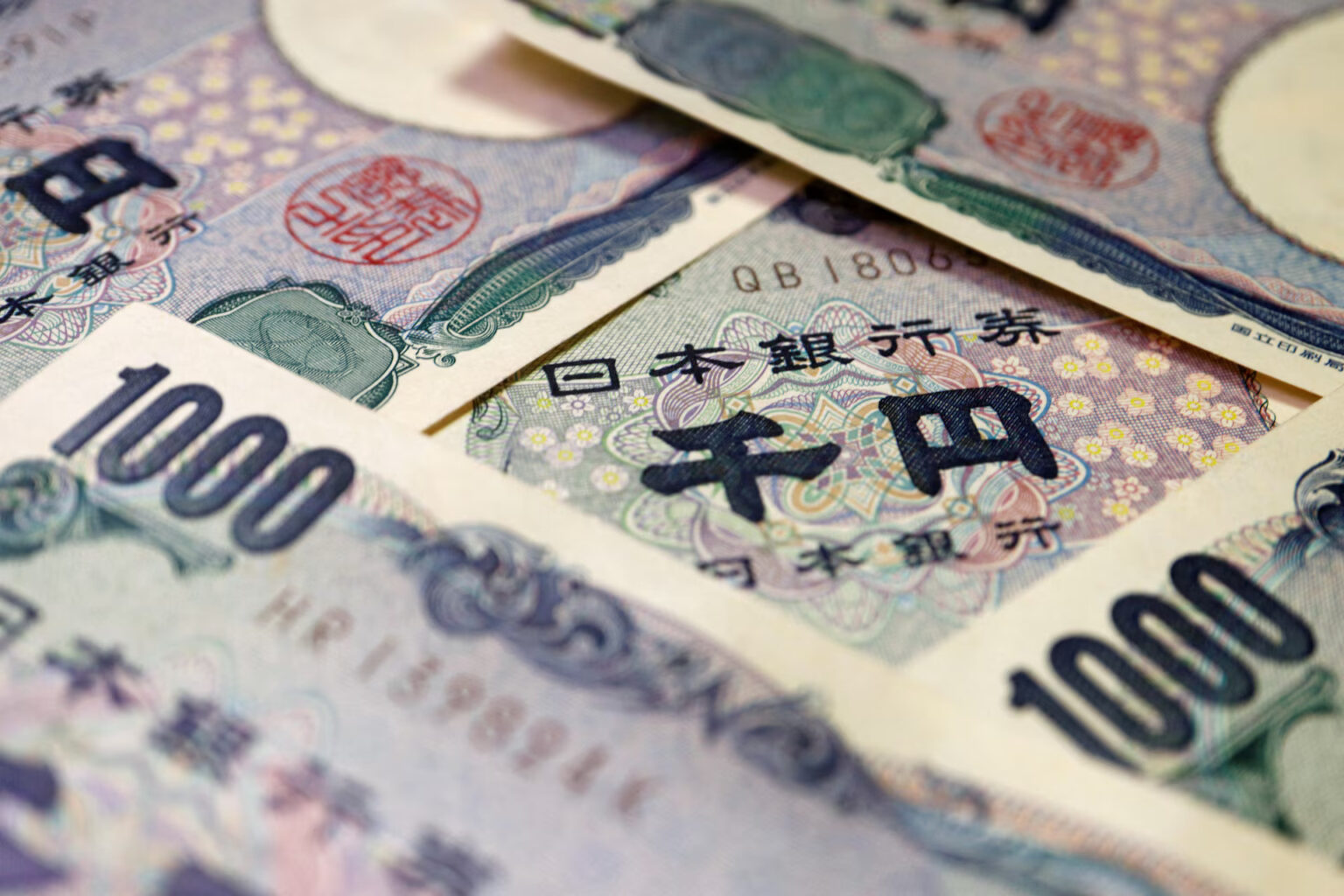
The yen snapped higher on Friday in a sudden, uneasy rally that caught traders off balance, as Tokyo sharpened its warning that it stands ready to intervene again. The dollar slid toward 155.60 before stabilizing, and YourDailyAnalysis frames the move less as a clean rebound than a reminder that currency markets can flip violently when policy credibility enters the pricing equation.
What drove the shift remains partly opaque, though timing matters more than clarity. Officials had already hinted at decisive action, then followed with what appears to be the first confirmed intervention in nearly two years, pushing the yen up by as much as 3% in hours. Liquidity conditions amplified the reaction – thin markets rarely absorb large official flows smoothly, especially when traders already hold heavy short positions.
Those positions had been building for months. Wide interest rate differentials between the United States and Japan left the yen exposed, encouraging carry trades that depend on cheap funding in yen and higher returns elsewhere. YourDailyAnalysis places the current tension inside that imbalance: intervention can disrupt positioning quickly, yet it does not erase the underlying yield gap that keeps pressure tilted in one direction.
The timing around Golden Week complicates the picture further. Japanese markets will be partially closed, reducing liquidity just as officials signal readiness to act, creating a window where relatively small flows can trigger outsized moves. Options pricing already reflects that anxiety, with the cost of protection against sharp swings rising toward monthly highs. Traders are not just reacting to price levels – they are reacting to the possibility of intervention arriving without warning.
Signals from policymakers carry deliberate ambiguity. Officials avoid confirming direct action while reinforcing the idea that they can step in at any moment, a tactic designed to unsettle speculative positions. YourDailyAnalysis treats that communication strategy as part of the intervention toolkit itself, where uncertainty becomes a lever alongside actual currency purchases. A credible threat can sometimes move markets almost as effectively as execution.
Energy markets add another layer of instability. Rising oil prices linked to the Iran conflict feed inflation pressures globally, strengthening expectations that major central banks will keep policy tight. That dynamic supports the dollar structurally, even as Japan attempts to defend its currency tactically. The result is a clash between short-term intervention effects and longer-term macro forces that remain misaligned.
Coordination with the United States also plays a quiet but important role. Close contact between the two governments reduces the risk of policy conflict, yet it does not guarantee alignment in outcomes. A stronger yen helps Japan contain imported inflation, while a strong dollar supports U.S. monetary conditions – the overlap exists, but it is not perfectly clean.
The deeper issue sits beneath the volatility. Japan is attempting to defend a currency shaped by domestic policy choices, including a slower pace of rate hikes compared with global peers, while external pressures intensify. Intervention can smooth extremes, it can reset positioning, it can buy time – Your Daily Analysis pushes the argument further, pointing out that it cannot redefine the structural forces driving capital flows. In that sense, the yen’s sudden strength feels less like a turning point and more like a warning shot fired into a market that still leans the other way.