


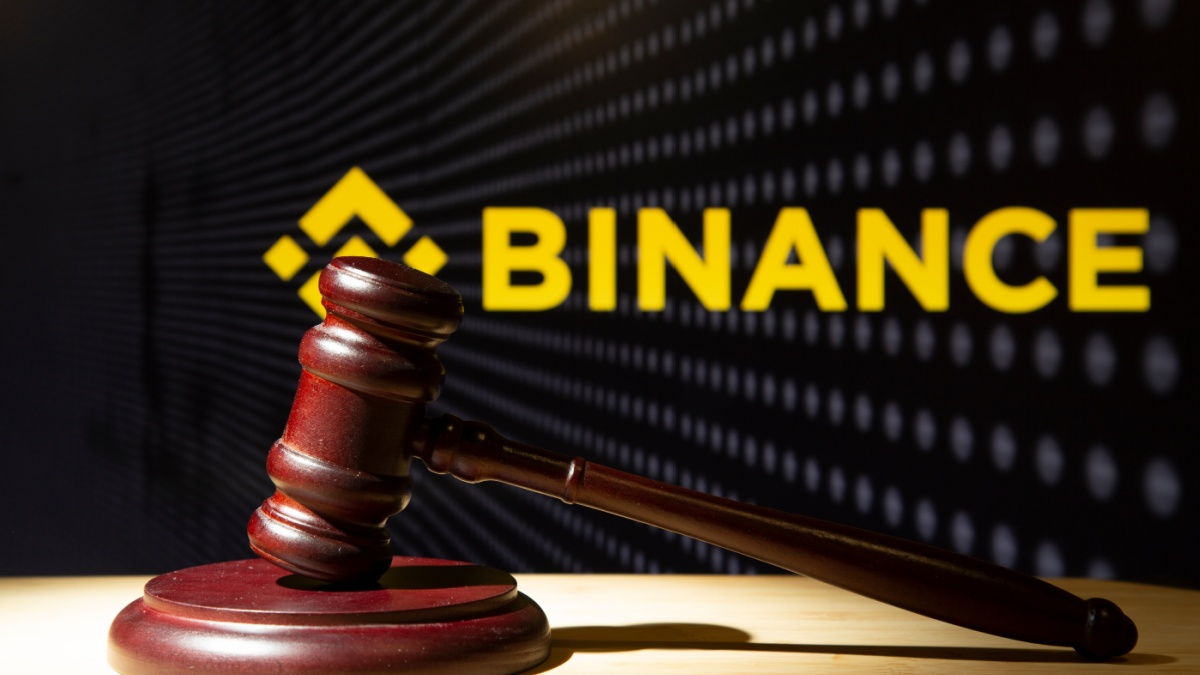
The cryptocurrency industry – long accustomed to regulatory pressure – is now confronting a challenge that could reshape its structural foundations. Binance and its founders, including billionaire Changpeng Zhao, are facing a lawsuit in the United States accusing the exchange of facilitating the transfer of funds to organizations designated as terrorist groups. At YourDailyAnalysis, we view this case not as a routine legal dispute but as a potential inflection point for the global crypto ecosystem. As we note in our editorial analysis, “the Binance case signals that regulators are no longer willing to overlook technological blind spots when those gaps align with avenues for illicit financing.”
The lawsuit, filed by U.S. citizens affected by the October 7, 2023 attacks – or their families – alleges that Binance enabled more than $1 billion to flow through accounts tied to Hamas and Hezbollah, including $50 million sent after the attacks. At YourDailyAnalysis, we emphasize that the scale of these allegations goes far beyond classic AML violations: “if the numbers withstand judicial scrutiny, this would mark the first instance of a crypto exchange being treated as part of the financial infrastructure supporting terrorism.”
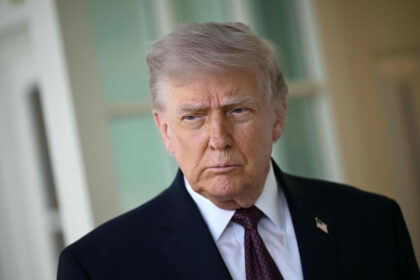
The political backdrop intensifies the controversy. Changpeng Zhao was pardoned by President Donald Trump shortly after pleading guilty in 2023 to charges related to money laundering. Given the Trump family’s various ties to the crypto sector, prominent Democrats publicly warned that the pardon sends a dangerous signal – suggesting that influential industry figures may act with impunity. Although Binance maintains that the pardon does not affect its operations, the lawsuit asserts that the company “intentionally structured itself as a haven for illicit funds” and made no significant changes even after agreeing to a $4 billion settlement in 2023.
A central accusation is Binance’s approach to transaction monitoring. According to the complaint, the exchange performed compliance checks primarily on outgoing funds while allowing incoming transfers to bypass meaningful scrutiny – enabling large sums to be deposited without verification of origin. This structural flaw, in the view of YourDailyAnalysis, exposes a deep vulnerability in centralized crypto platforms: “a system that checks only what leaves, and not what enters, is inherently primed for laundering.”
Binance counters that unlawful flows represent a negligible fraction of its overall volume and that the company has strengthened its compliance framework. But the plaintiffs argue that the core issue is architectural, not statistical. Without robust verification of inbound funds, subsequent controls risk becoming symbolic rather than substantive.
The significance of the case extends beyond the immediate parties. It raises profound questions about the responsibilities of global trading platforms that process trillions in annual volume. For regulators, this lawsuit is an opportunity to establish a landmark precedent: can a crypto exchange be held liable for transactions routed through its system, even if it did not initiate them?
Ultimately, as we underscore in YourDailyAnalysis, this is not solely a Binance story – it is a test for the entire industry. If the court upholds the claims, crypto markets may enter a new era of heavy regulatory oversight, mandatory source-of-funds checks, and banking-level compliance standards. If Binance prevails, the ruling could be interpreted as a validation of the current operational model, extending its lifespan for several more years.
At Your Daily Analysis, we believe the next 12–18 months will be decisive. Exchanges will be forced to choose between deeper transparency and escalating legal exposure. Investors should track how platforms rebuild their compliance systems, while users must recognize that regulatory risk is becoming a core dimension of trust – on par with liquidity, custody, and technical security.