



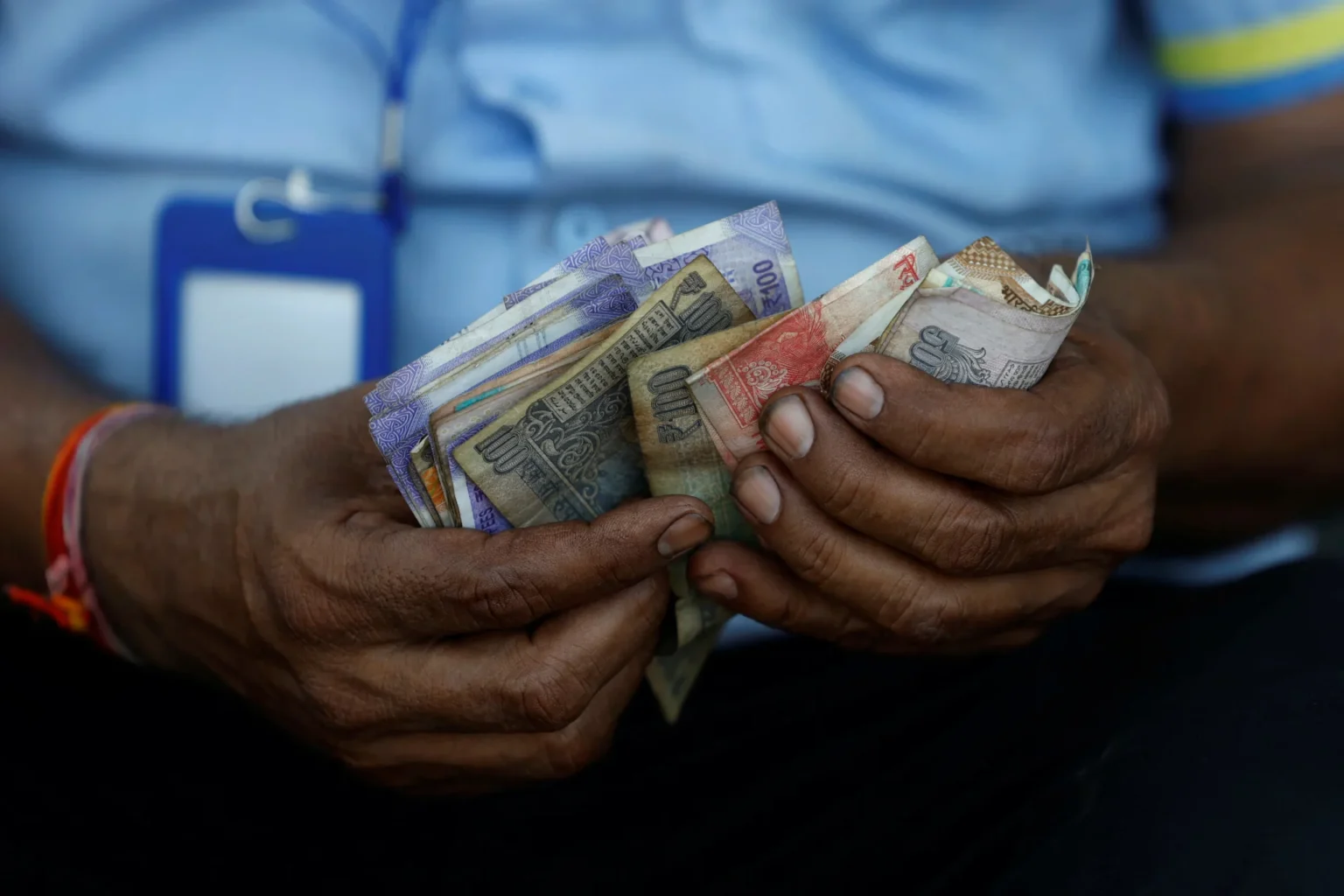
Japan spent approximately $63 billion defending the yen at the end of April and early May – about 10 trillion yen deployed across what market participants characterize as multiple rounds of intervention – and the yen is back. Dollar-yen drifted above 158 on May 29, approaching the 160 level that triggered official action a month ago. Japan’s Ministry of Finance is scheduled to announce the total amount spent on foreign exchange intervention since April 28, and Finance Minister Satsuki Katayama declined again to confirm or deny intervention, repeating that officials are “ready to take decisive action.” The war of nerves is back. As YourDailyAnalysis identifies it, the fundamental problem has not changed: Tokyo can disrupt the yen’s decline but cannot reverse the forces driving it.
Start with why the yen keeps weakening. The three-month-old Middle East crisis delivered a terms-of-trade shock to Japan, which imports almost all its oil. Higher energy costs compress corporate margins, increase the current account deficit, and reduce the yen’s fundamental support. That runs alongside the persistent yield differential: with the BOJ’s policy rate at 0.75% and the U.S. federal funds rate at 3.5-3.75%, the carry trade incentive to sell yen and buy dollars is both large and structurally embedded. The BOJ is moving toward 1%, but that move – likely in June or delayed to Q4 depending on which bank’s forecast you follow – would still leave the rate gap enormous. “The more foreign reserves shrink, the more vulnerable Japan looks to speculators,” said Daisaku Ueno, chief foreign exchange strategist at Mitsubishi UFJ Morgan Stanley Securities.
Japan’s remaining war chest matters but is not the decisive variable. After the approximately $63 billion already spent, roughly 150 trillion yen remains available – about 30 intervention-sized rounds. But markets do not think Tokyo will use all of that, or even a significant fraction. The political cost of drawing down foreign reserves is high, the effectiveness of intervention diminishes as the market realizes the fundamentals have not changed, and the Fed and BOJ policy divergence that drives dollar-yen is not something intervention can address. Traders are already positioning around the intervention probability: buy orders for dollars cluster in the 155-157 range according to a domestic bank dealer, with market expectation that the next intervention trigger sits below 162. The danger zone is not a single price but a band where the market actively games Tokyo’s response function – each successful intervention that gets reversed reduces the deterrence value of the next one.
The current administration’s posture adds a political dimension that prior governments handled differently. Whereas previous administrations focused on the speed of yen weakness in deciding whether to intervene, the Takaichi government appears more focused on defending the 160 line as an absolute level. “The government will want to defend that level at all costs,” said a dealer at a domestic bank. That commitment to a specific level is simultaneously more legible to markets and more exploitable by them: knowing where Tokyo will act allows traders to position just below the trigger, extract maximum dollar upside, and exit before the intervention hits. Editors at YourDailyAnalysis surface the irony in this structure – the government’s public commitment to a specific level is the very thing that tells speculators exactly where to push.
There is a third scenario beyond intervention-as-ceiling and yen-collapses-to-170. The Iran ceasefire deal, if confirmed, removes a meaningful portion of the energy cost shock that has been widening Japan’s current account deficit. Lower oil prices would reduce Japan’s import bill, shrink the terms-of-trade gap, and provide some fundamental support to the yen without any BOJ or MoF action. The magnitude depends on how fast and how far oil falls. A return to pre-war WTI levels near $65 would substantially reduce Japan’s energy import costs and provide a meaningful floor under the yen – one that no amount of FX intervention could replicate on its own. The team at Your Daily Analysis treats the oil price path as the more durable yen support mechanism available right now, which makes the Iran deal the single most important variable in this trade – more than any intervention announcement, more than the June BOJ decision.
Watch the Ministry of Finance’s intervention disclosure at 1000 GMT Friday, the June BOJ decision, and the Iran deal confirmation. Those three events, arriving within weeks of each other, will define the yen’s direction for the rest of 2026.