


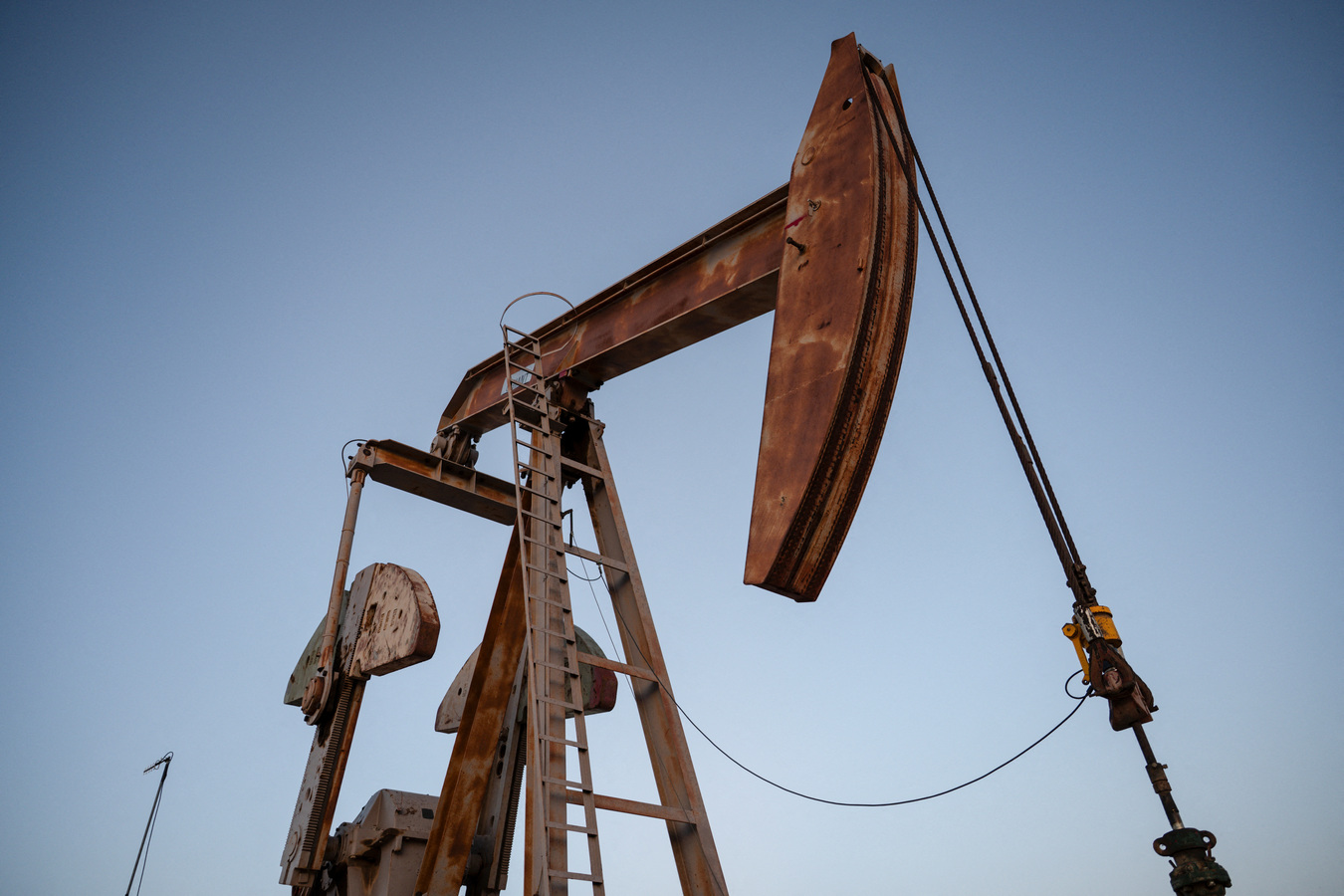
Oil prices opened Monday’s Asia session sharply higher. West Texas Intermediate climbed $2.10, or 2.32%, to $92.64. Brent futures rose $2.33, or 2.5%, to $95.42, before spiking as high as $97.15. The moves erased almost all of Friday’s losses, which had been driven by the opposite force – rising hopes for a diplomatic resolution to the conflict. YourDailyAnalysis catches the week’s opening oil move as a real-time readout on how geopolitical risk is being priced: when diplomacy advances, oil falls; when it retreats, oil spikes; when it stalls, oil holds near its elevated floor.
The proximate trigger was Israel’s renewed strikes on Beirut’s southern suburbs on Sunday. Israel and Lebanon had agreed to a ceasefire as recently as June 3, their second such agreement after a prior cessation also failed to hold. The Beirut strikes violated that agreement, triggering Iran’s response and the mutual escalation that followed. Iran characterized its missile launches as a warning. Israel struck central and western Iran in retaliation.
The Hormuz variable remains the critical link between the military escalation and the oil market. The Strait has been effectively closed since February, cutting off roughly a fifth of the world’s daily oil and gas flows. Every diplomatic setback extends that closure. UBS analysts who tracked Hormuz traffic last week found no improvement in actual vessel movement despite the optimism that had driven Friday’s price decline. The analysts at YourDailyAnalysis size up the Friday-to-Monday reversal as an illustration of how thin the confidence in near-term Hormuz reopening actually is.
OPEC+ separately announced an output increase over the weekend. Oil market analysts noted the impact is limited given the primary supply constraint is logistical rather than volumetric. The problem is not insufficient OPEC production – it is that roughly 20 million barrels per day of normal Hormuz throughput is unavailable to buyers regardless of what OPEC decides to pump. An output hike into a Hormuz-closed market helps producers at the margin but does not address the physical flows the market needs.
Trump told the Financial Times that the United States calls the shots, that Netanyahu won’t have any choice, and that the attacks would not affect the ongoing deal. Whether those statements translate into diplomatic progress is the oil market’s central question for the week. YourDailyAnalysis points to the pattern from the past two months: Trump statements have repeatedly suggested imminent deals, markets have priced in those statements, and the subsequent military reality has repeatedly disappointed the pricing.
The inflationary feedback from oil at $95 runs directly into the Fed rate expectations that the Friday payrolls report had already pushed higher. Markets assign roughly 50-50 odds to a Fed rate hike by year-end. Every additional dollar per barrel makes that hike more likely, and a Fed rate hike is bearish for high-multiple assets even as it supports the dollar.
The cleanest read on Monday’s oil price: it reflects the instantaneous repricing of Hormuz reopening probability. Friday’s decline priced perhaps 20-30% odds of a near-term reopening. Monday’s move repriced that down to roughly 5-10%. The underlying structural gap has not changed. The team at YourDailyAnalysis estimates that even if a deal is signed this week, Hormuz normalization takes weeks rather than days, and the physical supply impact would arrive with a further lag.
The watch list for oil includes whether Iran and Israel observe Trump’s implied ceasefire demand, whether Trump’s call with Netanyahu produces visible de-escalation on Lebanon, and whether any formal update to the 60-day memorandum of understanding on Hormuz access emerges. Any one of those developments moves Brent by at least three to four dollars in the corresponding direction.
The oil market is trading on political news flow, and political news flow in the Middle East is unpredictable on a 24-hour basis. The fundamentals have not changed: Hormuz is effectively closed, OPEC’s production hike is absorbed by the structural gap, and the global inflation environment is sensitive to every dollar per barrel. Your Daily Analysis ends on the base case: oil stays elevated between $90 and $97 as long as Hormuz remains restricted, with sharp intraday moves on diplomatic headlines but no structural resolution until a verified reopening of the strait actually occurs.