



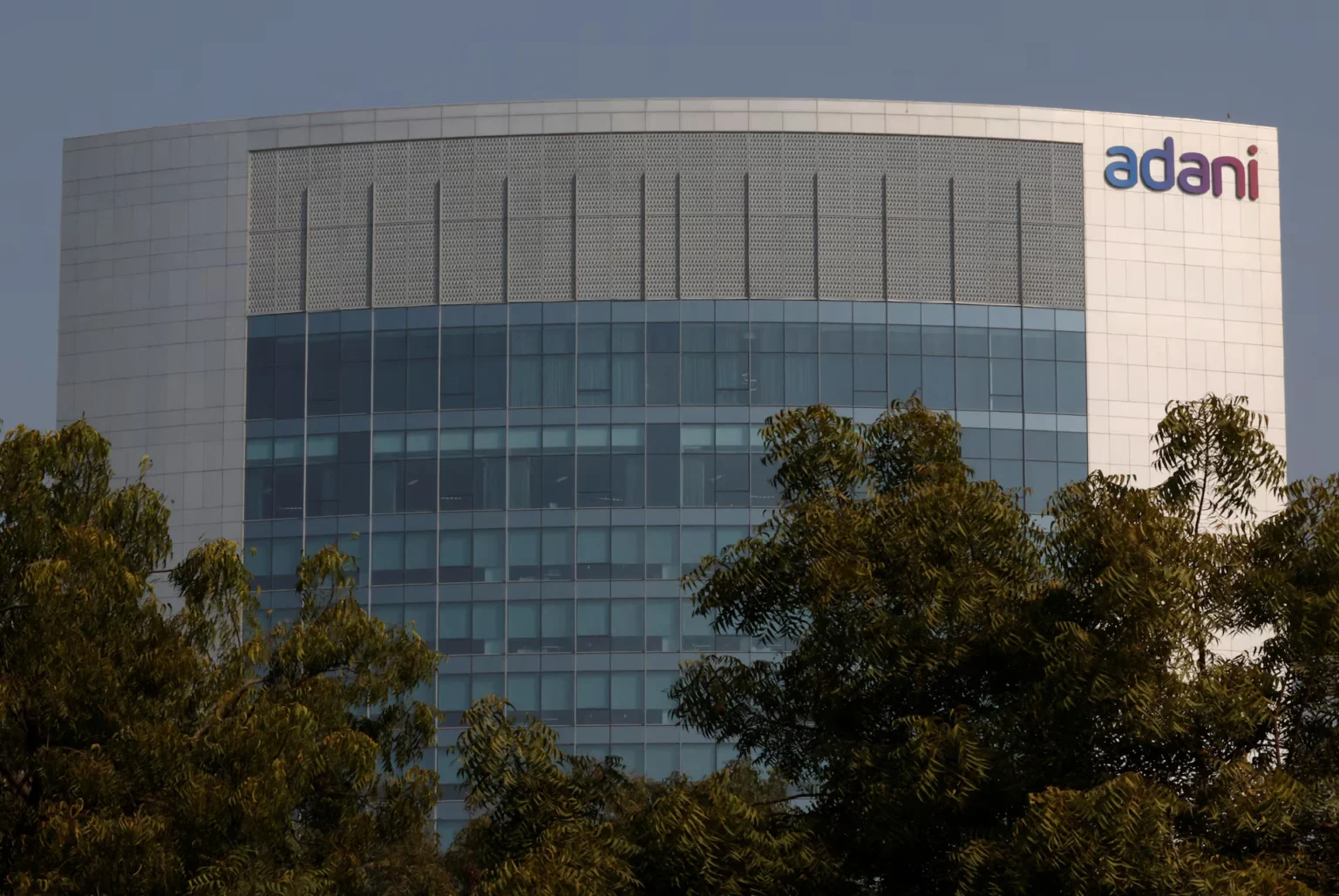
Jabil and Adani Enterprises announced Monday a strategic alliance to build an integrated AI and data center infrastructure manufacturing platform in India. The partnership would serve hyperscalers, co-location providers, and enterprise data centers, targeting explosive demand for AI-ready hardware. Financial details were not disclosed, and both companies are still working on operational frameworks and formal documentation. YourDailyAnalysis frames the announcement as two companies positioning themselves ahead of a buildout cycle rather than announcing a facility already under construction.
The strategic logic for Jabil is coherent. The company is one of the world’s largest contract manufacturers, with Apple as a major customer and a global network spanning more than 100 sites. CEO Mike Dastoor has been repositioning Jabil around AI-adjacent manufacturing, and earlier in 2026 the company raised its annual forecast citing strong demand for infrastructure services linked to AI data centers. The Adani deal fits that repositioning directly.
Adani’s side involves a larger strategic ambition. Chairman Gautam Adani described the alliance as a decisive step in building India’s complete AI infrastructure stack, from green power generation to world-class hardware manufacturing. Adani Group has stated plans to invest approximately $100 billion in renewable-powered, AI-ready data centers by 2035. India’s digital infrastructure is expected to see over $50 billion in planned spending across data center, cloud, and AI ecosystems. The scope that YourDailyAnalysis catches in the Adani positioning is a conglomerate attempting to own the full vertical – power, land, manufacturing, and hosting.
The geopolitical backdrop amplifies the commercial logic. Apple’s decision to accelerate India manufacturing has created a visible proof of concept for complex, high-precision assembly at scale in the country. Jabil has been a direct beneficiary, expanding Indian operations to support Apple’s stated goal of moving a greater share of iPhone production out of China. The same industrial logic – domestic capacity, tariff diversification, and alignment with U.S. supply chain preferences – applies to data center hardware manufacturing.
India currently produces very little of the rack infrastructure, networking hardware, and power distribution equipment that hyperscalers purchase in quantity. Building a supplier base for precision components in that category requires developing manufacturing capability that does not yet exist at scale in India. The gap that YourDailyAnalysis identifies between announcement and meaningful production capacity in that category is measured in years, not months, and no bilateral agreement accelerates the underlying supplier development work.
There is a specific risk in the partnership’s current state. The lack of financial details and the explicit statement that operational frameworks are still being developed signals a framework agreement rather than an operational commitment. India’s manufacturing ecosystem, despite genuine advances in electronics assembly, does not yet have a mature supply chain for the precision components that AI data center hardware requires at hyperscaler scale.
The right analogs are the early manufacturing partnership announcements that preceded Apple’s India ramp by two to three years – significant at the time, proven significant over time, but requiring patient capital and sustained operational effort. The position Your Daily Analysis takes is that the Jabil-Adani alliance is commercially coherent and strategically sound but operationally early.
For investors tracking Jabil, the announcement adds an India AI infrastructure growth story to a company already benefiting from AI data center demand. Jabil’s track record in India through the Apple supply chain relationship gives it execution credibility that many comparable announcements lack.
The Adani Group’s involvement gives the platform access to renewable energy infrastructure, land, logistics networks, and data center operational experience. That full-stack positioning is genuinely differentiated and could produce competitive advantages that late entrants will struggle to replicate. YourDailyAnalysis ends on the metric that matters: the first square footage committed, the first SKUs under production, and the first named hyperscaler reference customer are the data points that will turn this announcement into a business.