


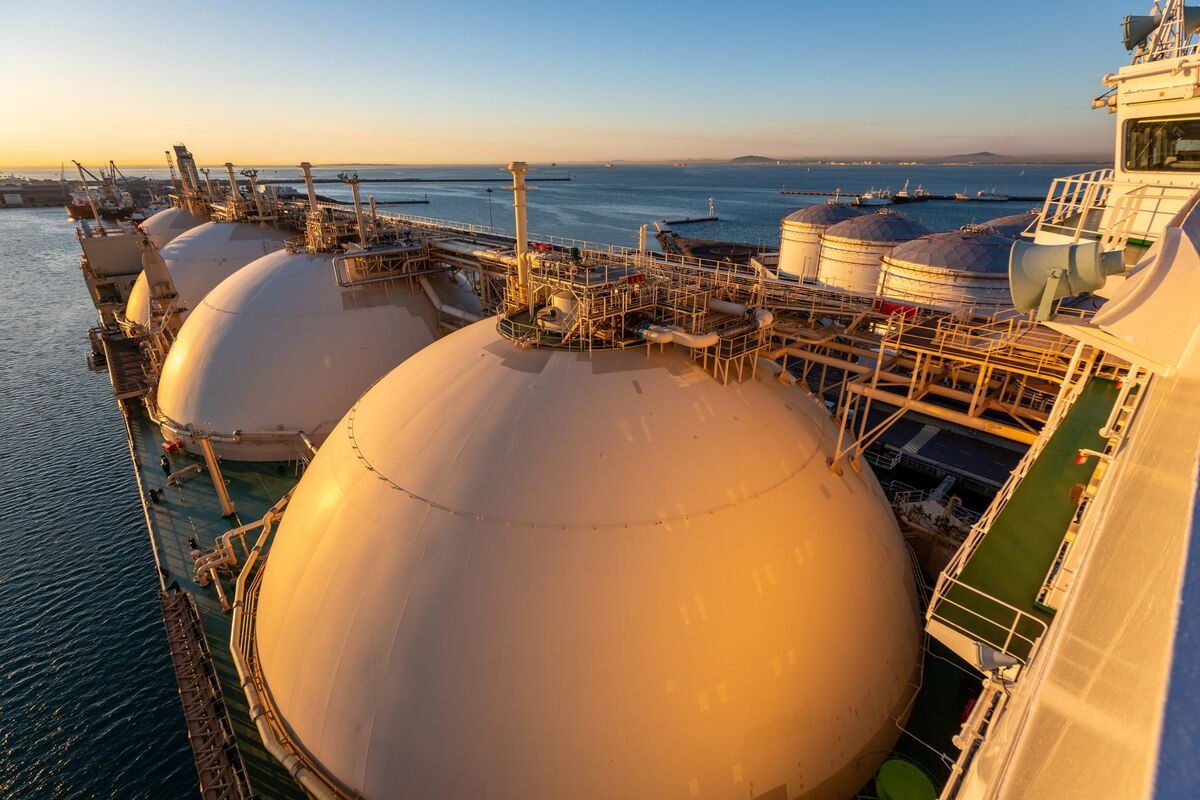
The Disha, a Maltese-flagged LNG tanker, became the first vessel to transit the Strait of Hormuz since the United States and Iran announced their memorandum of understanding framework on June 15. The crossing happened Monday using Iran’s designated maritime Traffic Separation Scheme lanes to exit the Persian Gulf toward an Indian regasification terminal. It was the first such crossing in more than three months since the IRGC shut down commercial traffic on February 28. YourDailyAnalysis flags the crossing as a data point that carries symbolic weight but requires context: one vessel completing one transit does not constitute a functioning strait.
Before February 28, the strait handled approximately 20 million barrels of oil equivalent per day, representing roughly 20% of global seaborne oil trade and 20% of traded liquefied natural gas. As of mid-June, commercial traffic was running at an estimated 5% to 10% of pre-conflict levels. More than 800 vessels remained stranded inside the Persian Gulf. The backlog represents months of accumulated supply that Asian buyers have been sourcing through alternative routes at significantly higher cost.
The insurance picture is the commercial mechanism that will determine the pace of normalization faster than any political declaration. Lloyd’s of London had elevated the strait to its highest war-risk zone. Under standard marine insurance practice, a waterway must record 30 to 60 days of incident-free transits at volume before underwriters reclassify the zone. Shipping companies will not restore regular schedules until their insurers confirm that war-risk surcharges have been removed.
Demining is the physical constraint running parallel to the insurance constraint. Iran planted naval mines in the strait during the conflict. The 14-point draft MoU calls for the United States to restore traffic to full pre-war capacity within 30 days of signing. YourDailyAnalysis traces the supply chain knock-on effects to their most consequential data points: Qatar routes approximately 77 million tons of LNG annually through the strait, Europe receives 12% to 14% of its LNG supply from Qatari terminals, and every Cape of Good Hope rerouting adds 3,800 nautical miles per round trip.
The Disha’s crossing had immediate market effects. LNG futures prices moved lower on Monday. Oil prices fell 4% to 5% across Brent and WTI benchmarks. Shipping stocks and LNG freight rate indicators also declined. All of those moves are correctly directional: a functioning strait is less expensive for buyers and less profitable for vessels on alternative routes.
The political sustainability of the opening is the variable commercial operators are watching most carefully. The 14-point MoU was a draft not yet signed as of June 17. The text commits both sides to cessation of hostilities on all fronts, including Lebanon. YourDailyAnalysis notes that if Iran interprets continued Israeli operations in Lebanon as a U.S. failure to honor the MoU’s provisions, it retains both the capability and the stated rationale to reimpose strait restrictions.
The 30-day timeline for full capacity restoration in the draft MoU creates a visible benchmark. If tanker traffic has not approached pre-war levels by approximately July 19, the MoU’s most economically significant commitment will have been broken in the first month. That deadline will be visible in daily PortWatch transit counts and in tanker AIS tracking data.
The freight cost differential accumulated over three months across the global LNG fleet represents billions in additional shipping costs that will not immediately reverse even after the strait reopens. Vessels already positioned on alternative routes around the Cape of Good Hope need time to be reassigned and redeployed to Gulf routes. The supply normalization that energy markets are pricing will not be immediate even if every other condition is met.
Watch for three data points in the next two weeks: daily AIS transit calls through the strait as tracked by IMF PortWatch, the first formal insurance war-risk zone reclassification from a major marine insurer, and the June 19 signing ceremony outcome. Your Daily Analysis maps all three as necessary conditions for the reopening claim to be real: the Disha proved physical access; the signing would prove diplomatic commitment; and sustained insurer reclassification would prove commercial viability.