



Klarna is seeking to offload credit risk tied to a portfolio of buy-now-pay-later loans, in a deal aimed at freeing up capital as it looks to accelerate its international expansion plans. The Stockholm-based lender is working on a significant risk transfer, or SRT, tied to around 5 billion kroner, or $516 million, of loans originated by its Swedish unit, with the transaction possibly completing later this quarter. YourDailyAnalysis frames the mechanism plainly: an SRT lets Klarna keep the loans on its books while paying investors to absorb the default risk on a slice of the portfolio, which frees up regulatory capital without Klarna having to sell the loans outright or raise new equity.
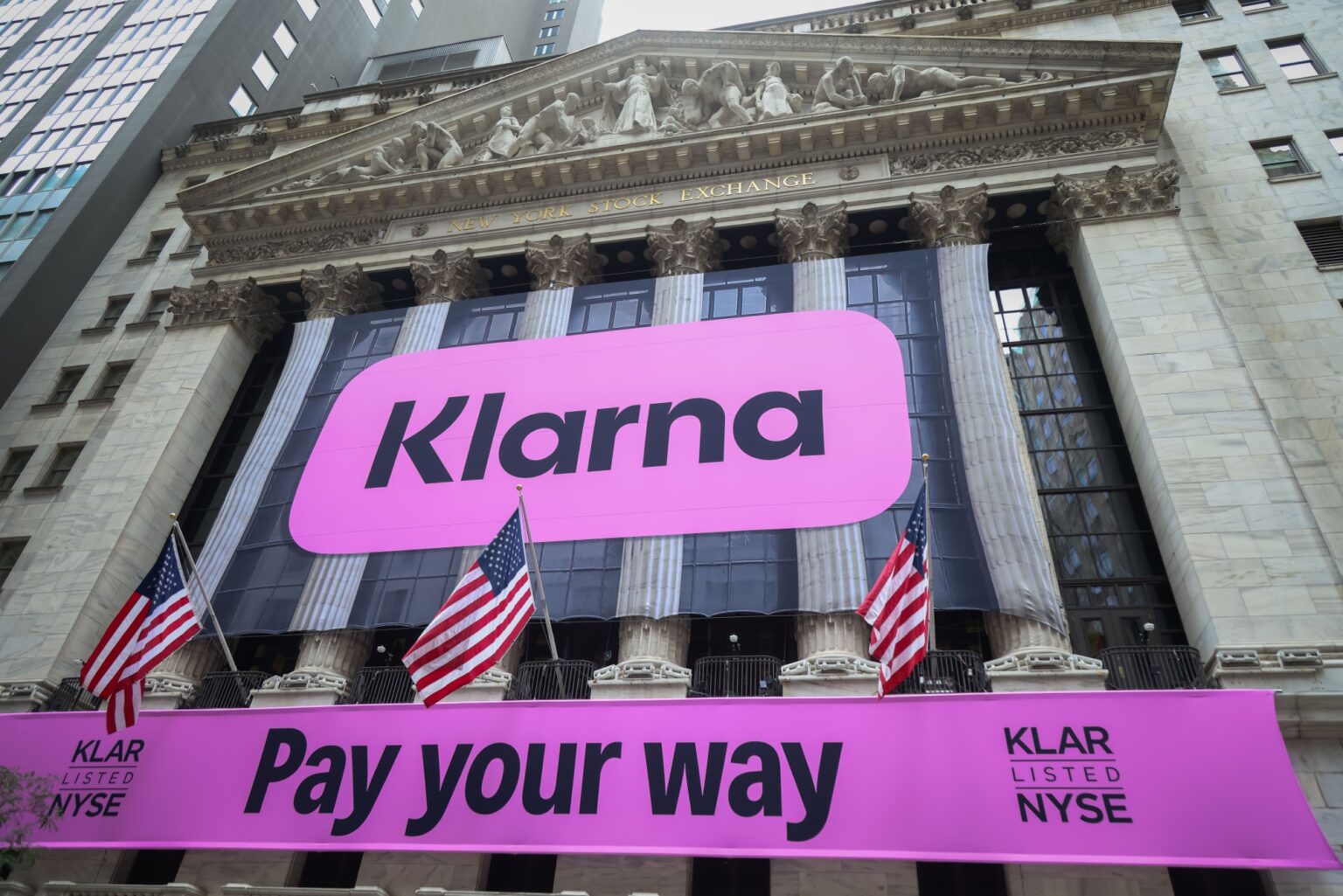
The stock-price backdrop explains why capital efficiency matters this much to Klarna right now. Klarna wants to roll out more banking products in several countries to support the recovery of its under-pressure stock, which is trading at around half the price achieved at its initial public offering in September. YourDailyAnalysis reads that framing directly: a company whose stock has been cut in half since its IPO has a strong incentive to expand through capital-light structures like SRTs rather than through equity issuance, which would further dilute a share price management is actively trying to rebuild.
The specific market this capital is aimed at is the most consequential detail in the story. The specialist lender is particularly keen on growing its business in the U.S., and has applied for a bank license to bolster its activities in the country, where it currently operates via a joint venture. A U.S. bank license would let Klarna hold deposits and lend directly rather than through a partner structure, which is a materially different, and more capital-intensive, operating model than its current joint-venture arrangement.
The mechanics of how SRTs work for the broader banking system explain why this instrument has become so popular beyond just Klarna’s specific situation. Banks use SRTs as a way to insure loans against default, typically obtaining protection for between 5% and 15% of the portfolio value, which allows them to increase their solvency ratios without resorting to less shareholder-friendly options such as issuing equity, while also increasing their leeway for new lending, acquisitions or shareholder payouts. YourDailyAnalysis notes that investors are drawn to the other side of this trade specifically because coupons often exceed 10%, a yield that reflects genuine credit risk but has proven attractive enough that banks are issuing these instruments at what the market describes as a record pace.
Klarna’s own track record with this instrument gives the current deal some credibility, and shows a pattern of steadily larger transactions. In April, Klarna and investors led by Varde Partners struck an SRT deal tied to $1.7 billion worth of euro-denominated loans, described by Klarna’s own chief financial officer as the company’s sixth such deal and the largest and most efficient to date. This new deal, while smaller in absolute terms at $516 million, extends that same financing playbook into fresh underlying loan collateral specifically tied to funding the U.S. push.
Watch whether Klarna’s U.S. bank license application is approved, which would be the more consequential catalyst for the stock than this specific SRT transaction, and watch whether the deal completes at terms consistent with the roughly 10% coupon levels the broader SRT market has been commanding. Your Daily Analysis views the bank license decision as the real test of whether Klarna’s U.S. ambitions translate into the kind of growth needed to close the gap back toward its IPO price, with this SRT simply providing the capital runway to get there.