


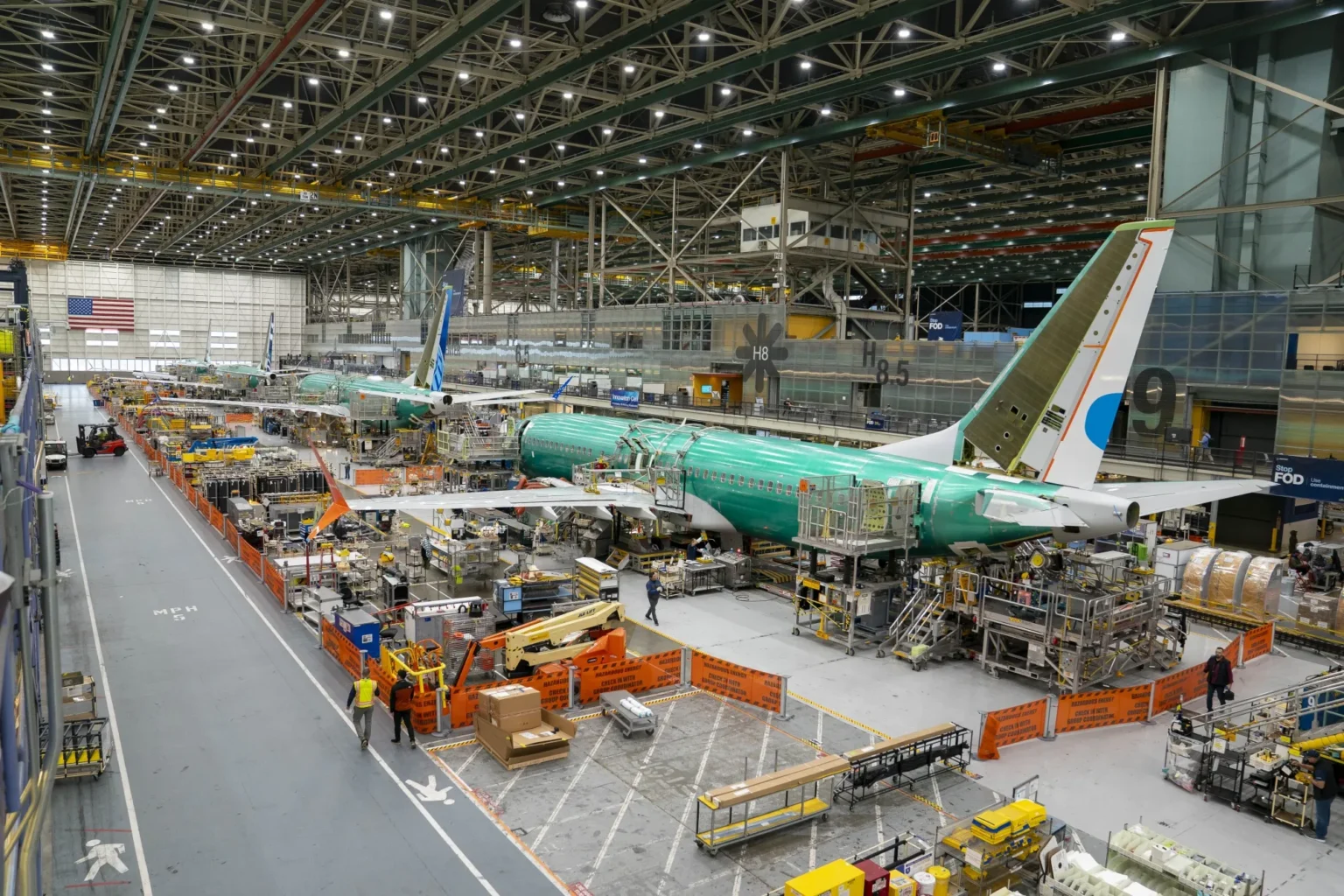
A potential large-scale aircraft agreement between Boeing and Chinese airlines is emerging as one of the most closely watched developments in global aerospace and trade diplomacy. Reports suggest Boeing may secure an order for about 500 Boeing 737 Max aircraft, with discussions also including roughly 100 wide-body jets such as the 787 Dreamliner and the new 777X. The announcement could coincide with a planned visit by U.S. President Donald Trump to Beijing, highlighting the growing link between geopolitics and commercial aviation. For YourDailyAnalysis, the situation illustrates how strategic industries are increasingly used as tools of economic diplomacy.
From a commercial perspective, a 500-aircraft order would rank among the largest deals in Boeing’s history and significantly strengthen its long-term backlog. Yet the political context is equally important. Aircraft purchases have often served as symbolic trade gestures between Washington and Beijing. As YourDailyAnalysis notes, Boeing has frequently been positioned as a flagship U.S. exporter in negotiations aimed at improving trade balances between the two economies.
Financial markets reacted quickly to reports of the negotiations. Boeing shares rose about 4% following the news, reflecting investor optimism that the company could regain momentum in China after several years of limited order activity. China was once one of Boeing’s fastest-growing markets, but geopolitical tensions and regulatory disputes significantly reduced sales. The market response demonstrates how sensitive aerospace valuations remain to diplomatic developments.
The potential agreement could also end a prolonged slowdown in Chinese orders. As of late February, Boeing had only 134 confirmed aircraft orders from Chinese customers. A much larger number of aircraft remains listed under unidentified buyers, a category sometimes used to mask deals that have not yet been publicly attributed to specific airlines. According to YourDailyAnalysis, a confirmed large-scale order would mark a meaningful reset in Boeing’s relationship with Chinese carriers and restore an important source of demand.
However, the negotiations remain uncertain. Both sides are still debating the structure of a possible announcement, with U.S. officials seeking firm purchasing commitments rather than symbolic dollar figures. Geopolitical developments could also disrupt the timeline, as international tensions may delay or complicate the planned diplomatic meetings.
Another key element of the discussions involves China’s domestic aircraft program. The country is simultaneously developing the COMAC C919, a narrow-body jet intended to compete with Boeing’s 737 family. Chinese officials have been urging the United States to loosen export restrictions on aviation technologies and components needed for the aircraft’s production. These systems, produced by Western aerospace suppliers, remain essential to the C919 program.
For YourDailyAnalysis, this dynamic highlights the strategic complexity of the aviation sector. In the short term, Chinese airlines still require Western-built aircraft to meet rapid passenger growth. Over the longer term, however, Beijing’s investment in domestic aircraft manufacturing could gradually reduce dependence on foreign suppliers.
Looking ahead, the potential Boeing deal will serve as a barometer for broader U.S.–China economic relations. If finalized, it could signal renewed cooperation in a critical industrial sector. If negotiations stall, it would reinforce concerns that geopolitical tensions will continue to shape global aviation markets. As Your Daily Analysis concludes, the outcome will reveal whether this agreement represents a temporary political gesture or the beginning of a deeper reset in the aerospace relationship between the two countries.