



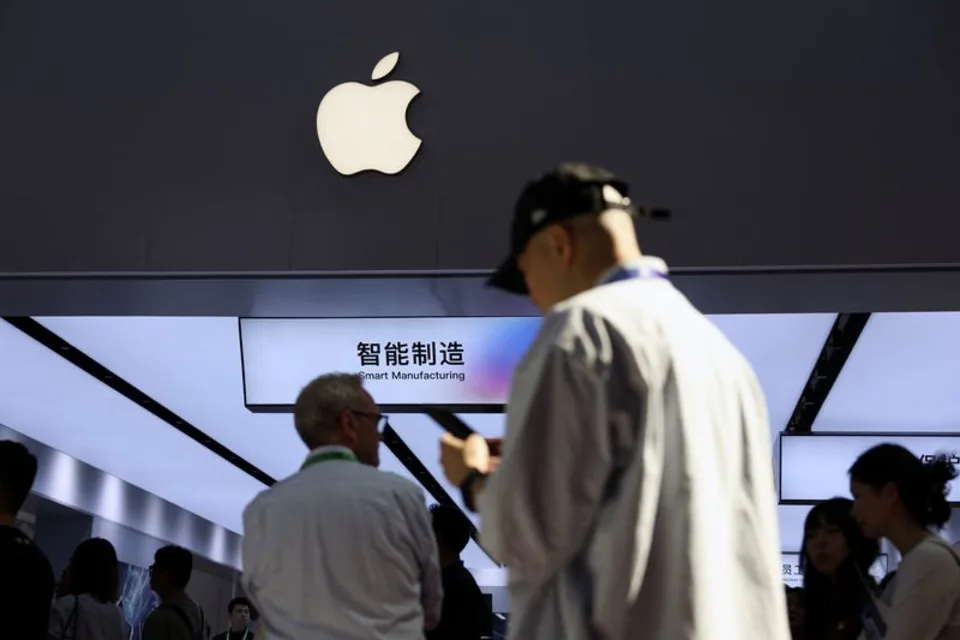
Shipments of foreign-branded phones within China, including those from Apple, soared 66.3% to 3.28 million handsets in June, according to calculations based on data from the government-affiliated technology research organization that tracks the sector. Overall phone shipments within China fell 15.3% from a year earlier to 19.15 million handsets in June, according to the same data. YourDailyAnalysis flags the direction of these two numbers moving in opposite ways as the detail that matters most: a shrinking overall market alongside surging foreign-brand shipments means foreign phone makers are gaining share specifically because domestic demand contracted, not because the total pie grew.
The scale of that share shift is worth calculating explicitly, since the raw percentages alone understate how significant this move actually is. Foreign-branded phones accounted for roughly 17% of June’s total shipments once the 3.28 million figure is set against the 19.15 million overall total, a share that would have been meaningfully smaller under the prior year’s shipment mix, given foreign brands’ 66.3% growth rate against an overall market that shrank. YourDailyAnalysis treats that implied share gain as a more economically meaningful signal than either headline growth figure in isolation, since a single month’s percentage swings can be noisy while a share shift of this magnitude typically reflects a more durable change in consumer purchasing behavior.
The domestic contraction itself deserves attention independent of the foreign-brand story, since a 15.3% year-over-year decline in a market this large is a substantial move on its own. China’s smartphone market has faced a mix of pressures in recent periods, including a maturing replacement cycle among domestic buyers and intensifying competition among China’s own major handset makers for a shrinking pool of upgrade-ready consumers. That domestic-demand softness, more than any single foreign brand’s product cycle, is likely the more structural explanation for why foreign shipments could grow so sharply even as the market they’re competing in got smaller.
The timing of this data point sits inside a broader and more contentious backdrop of US-China technology tension that extends well beyond consumer electronics. Washington has moved this week to restrict imports of Chinese-made robots and power inverters, and US officials have separately warned Chinese companies could face financial sanctions over allegations of unauthorized AI-model replication. YourDailyAnalysis puts more weight on the fact that Beijing has not imposed reciprocal restrictions on foreign phone brands despite that broader tension than on the shipment numbers themselves: a government willing to restrict foreign tech access in other categories choosing not to constrain foreign smartphone imports suggests consumer electronics may be treated differently from the technologies at the center of the current national-security dispute.
The month-to-month volatility inherent in single-month shipment data is worth flagging as a genuine limitation on how much should be read into one report. A single month’s shipment swing, in either direction, can reflect inventory timing, a specific new product launch, or promotional cycles as much as it reflects an underlying structural shift in consumer preference, which means June’s numbers alone don’t yet establish whether this represents the start of a sustained trend or a one-off comparison against an unusually soft year-earlier month.
Watch July and August shipment data from the same research organization for whether foreign brands’ share gain persists beyond a single month, and watch for any specific product-cycle explanations, such as a flagship device launch, that might account for June’s outsized swing. Your Daily Analysis views a second or third consecutive month of foreign-brand outperformance as the threshold that would turn this from an interesting single data point into genuine evidence of a shifting competitive balance in China’s smartphone market.