



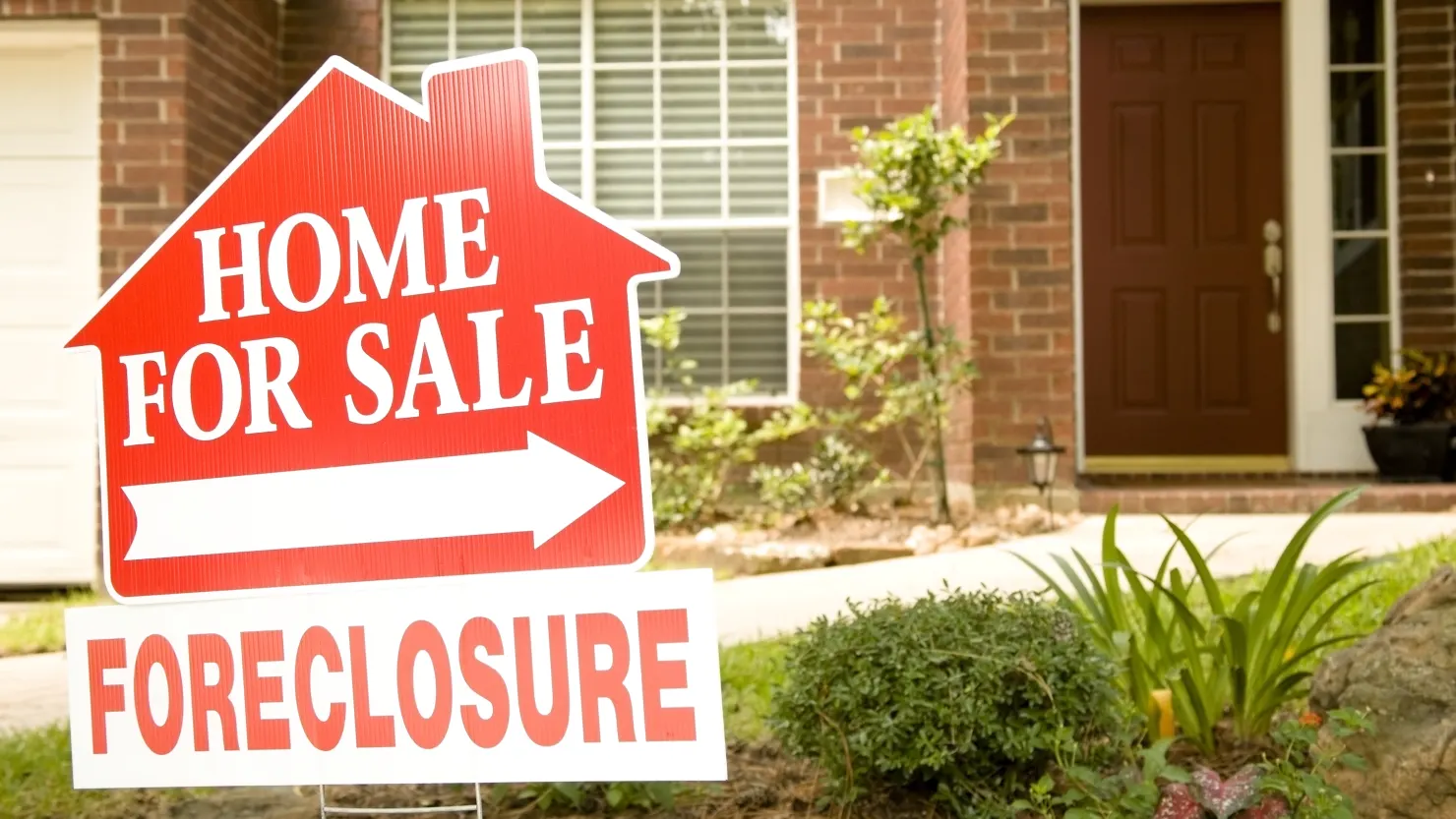
Fresh October data has revived concerns about the underlying health of the US housing market. After several years of historically low foreclosure activity, filings have begun to rise again. While the numbers remain modest in absolute terms, we at YourDailyAnalysis see a pattern forming that could signal growing strain beneath the surface.
According to Attom, 36,766 properties recorded some form of foreclosure activity in October, including default notices, scheduled auctions or repossessions. That represents a 3 percent increase from September and a 19 percent jump from a year earlier, marking the eighth consecutive month of annual gains. Initiated foreclosures rose 6 percent month over month and 20 percent year over year, while completed repossessions surged 32 percent. In our view, this steady climb resembles a return to pre-pandemic norms rather than a crisis spike, but such slow-building shifts often precede more meaningful market adjustments.
Industry analysts note that today’s levels are far below the peaks of the Great Recession, when more than 4 percent of mortgages were in foreclosure. Currently, that figure is under 0.5 percent, and about 4 percent of loans are delinquent. Still, FHA-backed mortgages have emerged as an early warning signal: delinquencies there have surpassed 11 percent. We at YourDailyAnalysis consider this segment particularly vulnerable, as FHA borrowers are generally more sensitive to rising living costs and labor-market volatility.
Florida, South Carolina and Illinois registered the highest volume of filings, with Tampa, Jacksonville and Orlando leading among cities. Riverside and Cleveland also ranked among the top five. Meanwhile, Texas, California and Florida posted the most completed repossessions, suggesting those states may soon see an uptick in discounted inventory. Demand for lower-priced housing remains strong, meaning most foreclosed homes are likely to sell quickly, but we caution that increased distressed supply could reshape pricing in the entry-level segment.
Broader economic conditions continue to apply pressure. Mortgage rates have not fallen as sharply as many expected after the Federal Reserve began easing policy. Home prices, despite cooling, remain elevated. Consumer debt has hit record levels, and signs of labor-market weakening are becoming more evident. These dynamics are squeezing borrowers who assumed they would refinance at lower rates by now, especially those already coping with persistent inflation.
Experts agree that the market is not heading toward a 2008-style collapse. Instead, weak points are becoming more visible. Our assessment at Your Daily Analysis is that mild increases in delinquencies and foreclosures are likely through the coming months, particularly in southern states where insurance costs are rising rapidly. The outlook remains cautious: if the economy continues to cool, foreclosure volumes may climb further, but we do not foresee a systemic shock.
For investors, the priority should be monitoring trends in Florida and Texas, where shifts in distressed inventory will appear first. Homeowners with FHA loans may need to evaluate their financial buffer and consider refinancing options sooner rather than later. Lenders and regulators should tighten oversight of vulnerable credit segments to avoid allowing localized stress to cascade. And as we conclude at YourDailyAnalysis, the stability of the US housing market now hinges on how gently the broader economy slows through 2025.