

Investors interpreted the Federal Reserve’s latest policy decision as more constructive than the headline numbers suggested. According to analysts at YourDailyAnalysis, the central bank delivered what amounted to a “hawkish cut”–a quarter-point reduction in interest rates paired with guidance that remains notably cautious. Yet markets still found reasons to rally.
Two regional Fed presidents – Jeffrey Schmid of Kansas City and Austan Goolsbee of Chicago – dissented, preferring no rate cut at all. Their stance was reflected in the updated “dot plot,” which shows policymakers expecting just one additional cut in 2026 and another in 2027. Experts at YourDailyAnalysis note that this trajectory signals a deliberate slowdown in the easing cycle and underscores the Fed’s commitment to avoiding a premature shift toward looser policy.
Despite the restrained tone, the single most market-moving development was not the rate decision itself but the Fed’s announcement that it will begin purchasing $40 billion in Treasury bills starting Friday. This injection of liquidity effectively loosens financial conditions even as policy rates remain restrictive. YourDailyAnalysis emphasized that the combination of symbolic rate easing and meaningful liquidity support was the key catalyst behind Wednesday’s equity rally.
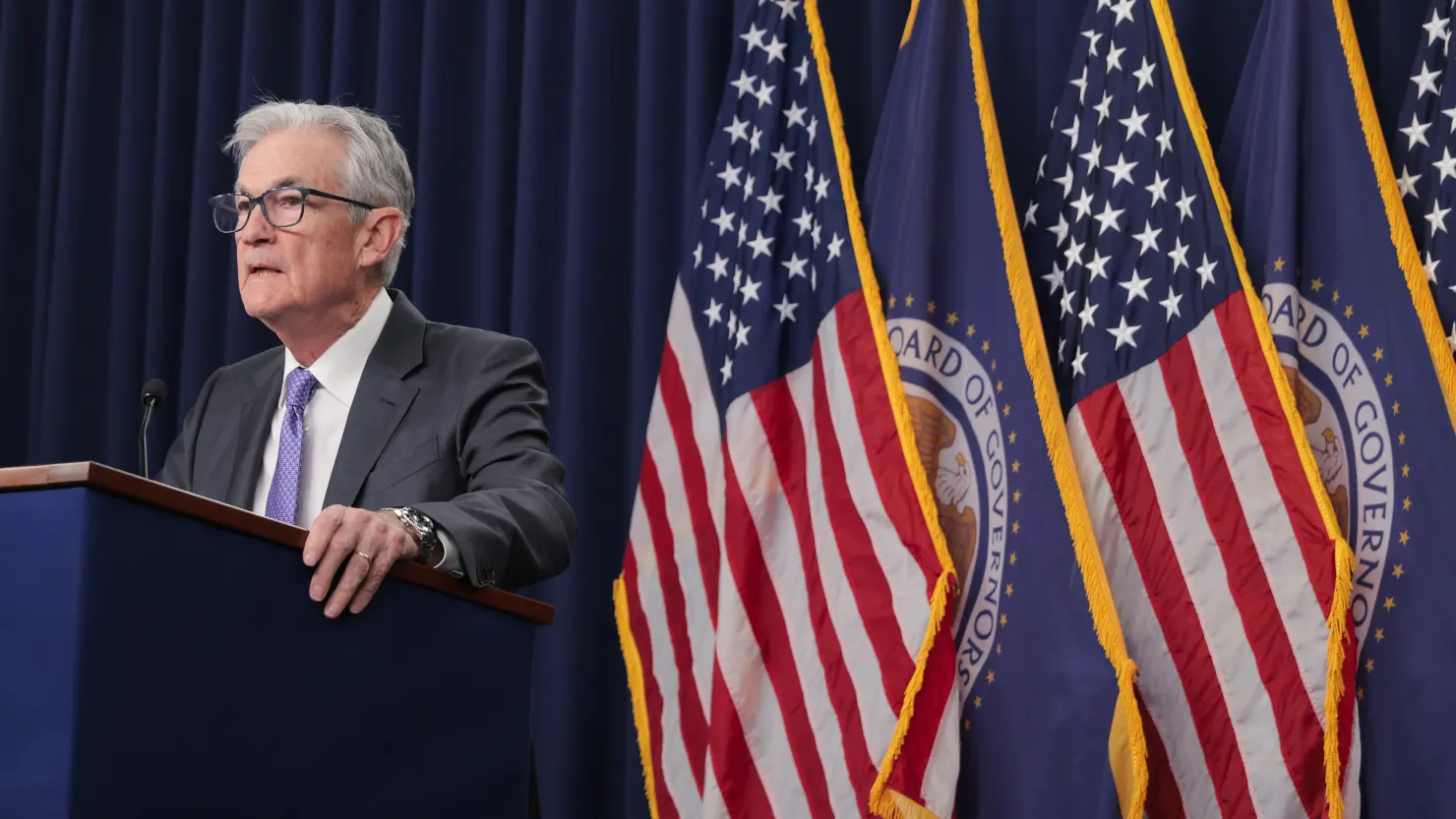
Chair Jerome Powell reinforced the message by dismissing speculation about renewed rate hikes, stating that such a scenario is “not anyone’s baseline” at this stage. Fed officials also upgraded their outlook for U.S. growth in 2026 from 1.8% to 2.3%, a revision that YourDailyAnalysis interprets as a sign of confidence in the resilience of the current expansion.
Markets responded swiftly: the Dow Jones rose 1.1%, lifting other major indices. Asian markets, however, relinquished early gains and traded mostly lower on Thursday. In corporate developments, Oracle reported 14% year-on-year revenue growth but still missed Wall Street expectations, sending its shares down over 11% in after-hours trading and weighing on AI-linked stocks. Still, the company’s AI backlog exceeded forecasts, highlighting ongoing momentum in enterprise demand.
Meanwhile, India continued its rapid ascent as a global AI investment hub. Within a single 24-hour period, Microsoft and Amazon pledged more than $50 billion in new capital commitments. We at YourDailyAnalysis note that this reflects India’s growing strategic importance, driven by talent density, scalable infrastructure, and expanding domestic demand for advanced technologies.
In the energy sector, Goldman Sachs added several stocks to its monthly “conviction buy” list, citing one as significantly undervalued and another as positioned to extend aggressive share-repurchase programs. This comes as investors recalibrate sector exposure amid clearer forward guidance on interest rates.
Europe’s defense-technology landscape is also undergoing profound change. A surge of AI-driven defense startups in the U.K. and Germany has attracted unprecedented venture funding after NATO members agreed to raise security spending to 5% of GDP. Since 2022, venture capital inflows into Europe’s defense sector have reached a record $4.3 billion, nearly quadrupling the total of the previous four years. According to analysts at YourDailyAnalysis, this marks a structural shift in procurement behavior, with defense ministries increasingly embracing commercial innovation over legacy contractors.
Market strategists now speculate that the Fed’s final policy move of 2025 may have laid the groundwork for a year-end rally, with some forecasting the S&P 500 could approach the 7000 level in the coming weeks. As Your Daily Analysis concludes, the rare combination of liquidity support, stable macro conditions, and a deliberately slow easing path has created an environment in which financial markets may finish the year significantly stronger than anticipated.