



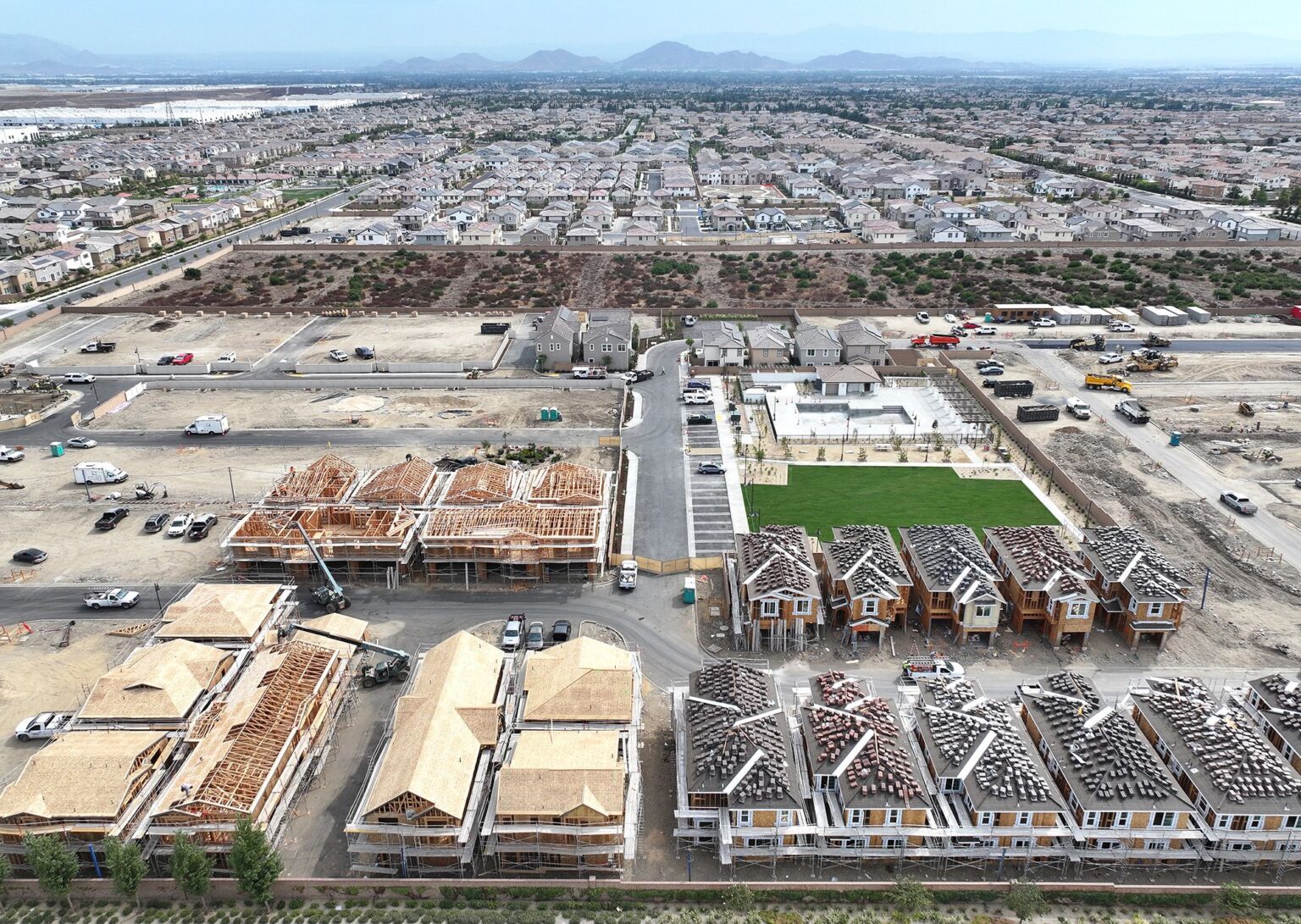
The U.S. housing market enters 2026 at a potential inflection point, shaped less by a sudden shock than by the gradual easing of constraints that have frozen activity for several years. After a prolonged period of high mortgage rates, historically low transaction volumes and elevated prices, conditions are forming for a recovery in sales even if prices themselves remain broadly unchanged. From the perspective followed by YourDailyAnalysis, the coming year is better described as a shift from stagnation toward functionality rather than a classic price-driven reset.
The magnitude of the post-pandemic price surge remains the defining backdrop. National home prices rose by roughly 55% between early 2020 and late 2025, embedding an affordability gap that cannot be closed quickly. As a result, a sharp nationwide correction appears unlikely. Instead, adjustment is more likely to occur through time: wage growth gradually catching up while nominal prices flatten. In this environment, affordability improves through slower real prices rather than visible declines.
Market expectations increasingly reflect this view. Forecasts for 2026 converge around minimal price growth paired with a modest increase in listings and completed transactions. YourDailyAnalysis interprets this as a shift in focus away from predicting price drops toward assessing liquidity and turnover. Given how depressed sales volumes have been, even a moderate recovery would represent a meaningful regime change.
A critical driver is behavioural. Millions of homeowners remain “locked in” by ultra-low mortgage rates secured during the pandemic, limiting resale supply. As rates above 6% persist, that lock-in effect gradually weakens. Over time, life events and necessity outweigh rate considerations, bringing more properties to market. Early signs of this adjustment are visible through rising listings and more frequent price concessions, suggesting that supply can expand even without a construction boom.
Mortgage rates still matter, but their role has evolved. The recent stabilisation of 30-year rates in the low-6% range has not unleashed demand, yet it has reduced uncertainty. As tracked by Your Daily Analysis, for housing decisions, predictability often matters more than marginal changes in cost. That support remains conditional: if labour-market confidence deteriorates, demand could retreat regardless of rate movements.
Price dynamics already signal a plateau. While many metro areas still show annual gains, momentum has slowed and regional divergence has increased. Markets that saw the fastest appreciation now face the greatest risk of stagnation, while supply-constrained areas remain more resilient. This fragmentation reinforces the view that the national market is normalising unevenly rather than resetting uniformly.
The rental market adds complexity. After easing in 2025, rent growth is expected to resume modestly as new supply slows and many households remain unable to transition into ownership. This sustains housing cost pressure even as for-sale conditions improve, shifting stress between renting and buying rather than eliminating it.
Policy rhetoric around affordability may influence sentiment but is unlikely to be decisive in the near term. Structural supply limits and financing conditions remain the dominant forces. YourDailyAnalysis sees 2026 as a year of gradual normalisation: higher transaction volumes, flat prices, and a slow return of bargaining power to buyers. The key risks remain a renewed rise in long-term rates or a weakening labour market, either of which could stall progress. The likely outcome is not relief, but balance – a housing market that moves again, even if affordability remains constrained.