



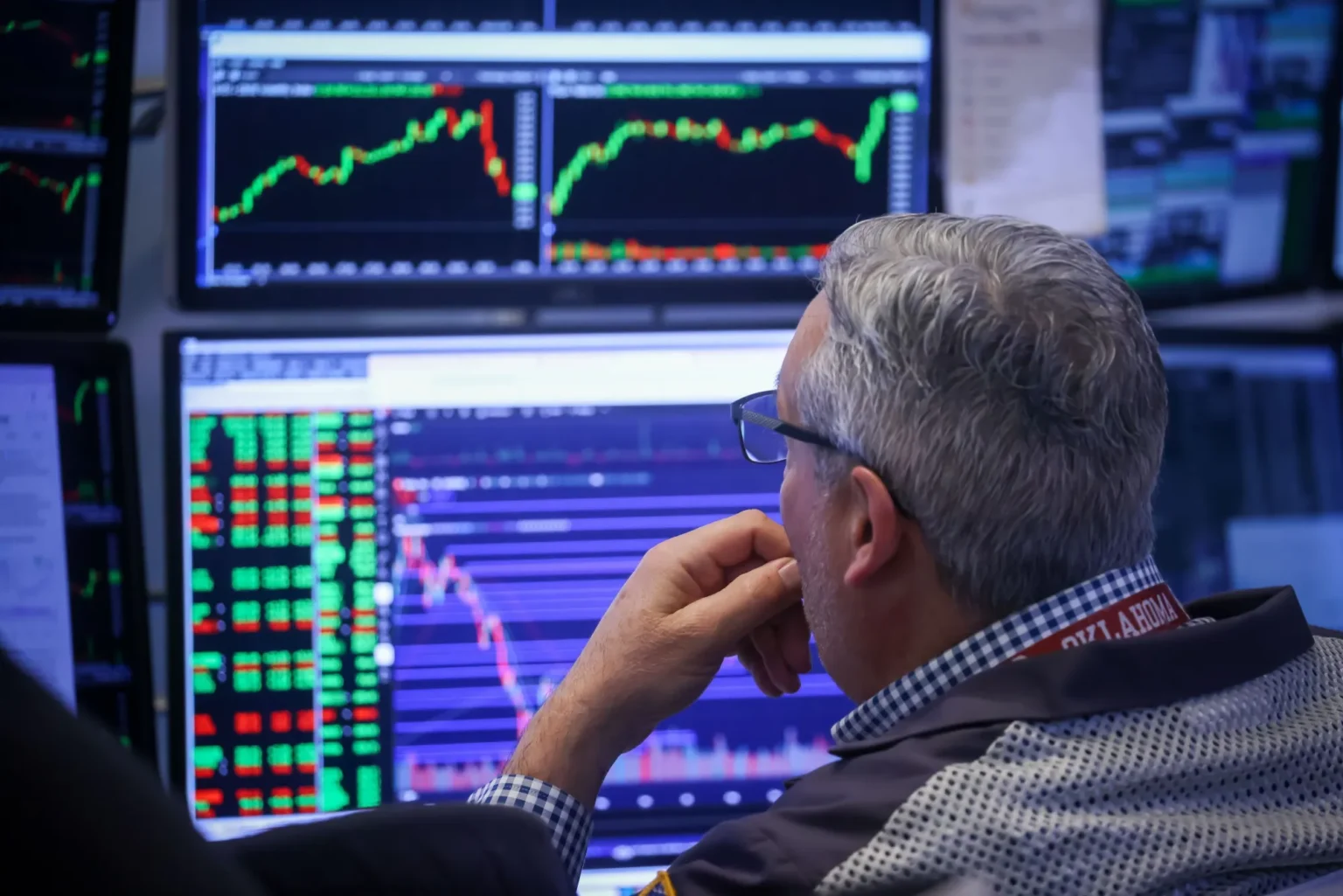
When markets look their most confident, it is often the moment when hidden pressure points begin to form beneath the surface. Fresh data from Bank of America’s monthly fund manager survey confirms exactly that: global cash allocations have dropped to 3.7 percent, a level seen only 20 times since 2002. At YourDailyAnalysis, we view this as an unmistakable warning signal, because historically such low liquidity paired with extended equity positioning has preceded market pullbacks.
Signs of strain are already emerging. Global equities, after a powerful rally, are losing momentum. The MSCI All Country World Index and the S&P 500 have slipped from their October highs, and the debate over whether the Federal Reserve will move forward with a December rate cut has shifted from optimism to doubt. As swap markets price out the likelihood of near-term easing, heavily invested portfolio managers find themselves with little room to maneuver. When cash buffers are depleted, selling becomes the only tool available.
Our analysts at YourDailyAnalysis note that for the first time in years, one systemic risk dominates investor psychology: the potential AI bubble. It was ranked as the top tail risk in the BofA survey. The concern is not theoretical. Spending on artificial intelligence infrastructure has reached a velocity that is starting to unsettle even corporate leaders. JPMorgan vice chair Daniel Pinto recently argued that AI valuations need a reset, warning that any repricing would reverberate sharply through equity markets. We share the view that when capital accelerates faster than revenue materializes, expectations detach from fundamentals.
Another shift is equally important: investor preference is moving away from U.S. equities. A majority now expect international stocks to deliver the highest returns next year, while only 22 percent believe the U.S. will lead. This mirrors a longer-term thesis from Goldman Sachs that American outperformance is reaching a structural ceiling. From our perspective at YourDailyAnalysis, this is not simply diversification. It is a rational response to stretched U.S. valuation multiples, especially within megacap tech, where prices already discount profit streams years into the future.
The sharpest investor anxiety, however, falls on the U.K. market. Capital outflows have reached the largest three-month decline since late 2022. Political uncertainty, expectations of tax increases under the Labour government, and interest rates that remain elevated relative to the eurozone create a sense that Britain’s economic trajectory will be more volatile than investors hoped. We expect U.K. equities to be among the most turbulent in developed markets next year, despite attractive valuations.
Taken together, these dynamics create a fragile market geometry. Fund managers hold little cash, reducing their shock absorbers. AI represents both a growth engine and a source of systemic instability. Capital flows are rotating away from U.S. assets. And Europe, especially the U.K., is navigating difficult macroeconomic headwinds.
At Your Daily Analysis, we believe the coming months will serve as a stress test for global markets. If the Federal Reserve signals readiness to cut rates earlier than expected, the correction could remain shallow. If the Fed stays restrictive and tech earnings fail to justify optimistic projections, the market may need to undergo a broader valuation reset.
Investors, in our view, should prepare for heightened turbulence. A balanced allocation favoring U.S. Treasuries, a measured reduction in exposure to overheated AI names, and a modest tilt toward international equities appears prudent at this stage. Low cash levels among institutional managers mean that any negative catalyst could amplify market moves disproportionately. And if market history teaches anything, it is that periods of overconfidence are almost always the starting point of a new trend.