


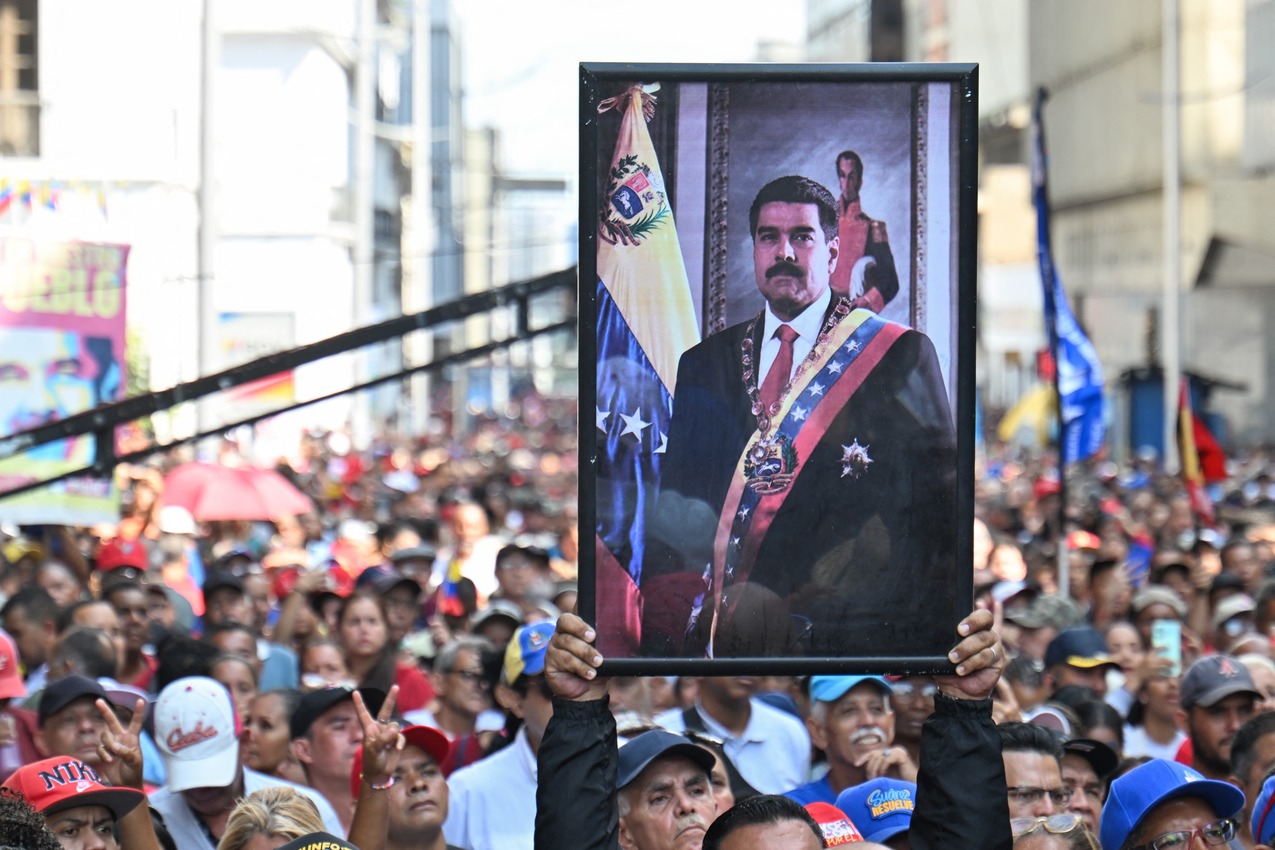
In YourDailyAnalysis, the recent Polymarket trade tied to the removal of Venezuela’s president Nicolás Maduro illustrates how prediction markets are evolving from novelty instruments into vehicles for high-impact geopolitical positioning. A single anonymous trader reportedly generated close to $410,000 after holding low-probability contracts linked to Maduro’s removal, positions that were accumulated well before U.S. military action became public.
The mechanics of the trade matter more than the headline profit. Contracts priced at only a few cents can rapidly reprice to par when political outcomes shift abruptly, creating asymmetric payoff structures that reward timing far more than capital. In YourDailyAnalysis, this highlights a structural vulnerability: when political events intersect with tradeable instruments, the value of non-public information rises sharply, even if no formal insider breach can be proven.
Market reactions following Maduro’s arrest were broadly consistent with this logic. U.S. equity indices advanced, energy stocks rallied, and distressed Venezuelan sovereign and PDVSA bonds surged as investors began pricing in the possibility of political transition and eventual debt restructuring. From an analytical standpoint, these moves reflect expectations rather than fundamentals. Any meaningful recovery in Venezuelan assets would still depend on sanctions relief, legal normalization, and years of infrastructure rebuilding, making the repricing inherently fragile.
Regulatory attention has followed quickly. In Your Daily Analysis, the key issue is not whether prediction markets should exist, but who should be allowed to participate. U.S. lawmakers are now pressing for restrictions on elected officials and federal employees, arguing that even indirect access to sensitive information creates unacceptable conflicts of interest. The concern is less about retail speculation and more about credibility: markets lose legitimacy if participants are perceived to trade on privileged timelines.
Polymarket’s position sits at the center of this tension. Its efforts to operate within a regulated framework coexist with widespread circumvention via offshore access, creating a gray zone where enforcement lags innovation. The platform’s growth underscores a broader shift: political outcomes are increasingly treated as tradable volatility events rather than long-term structural processes. For investors, the lesson is straightforward. These markets offer speed, leverage, and narrative-driven returns, but they also embed legal, regulatory, and settlement risks that can override correct directional views. Liquidity can evaporate, contracts can be challenged, and rules can change mid-cycle.
In YourDailyAnalysis, the Maduro trade should be read less as a one-off anomaly and more as an early signal. Prediction markets are becoming a new frontier where geopolitics, information asymmetry, and financial incentives collide – and where regulation is likely to tighten only after the profits have already been made.