



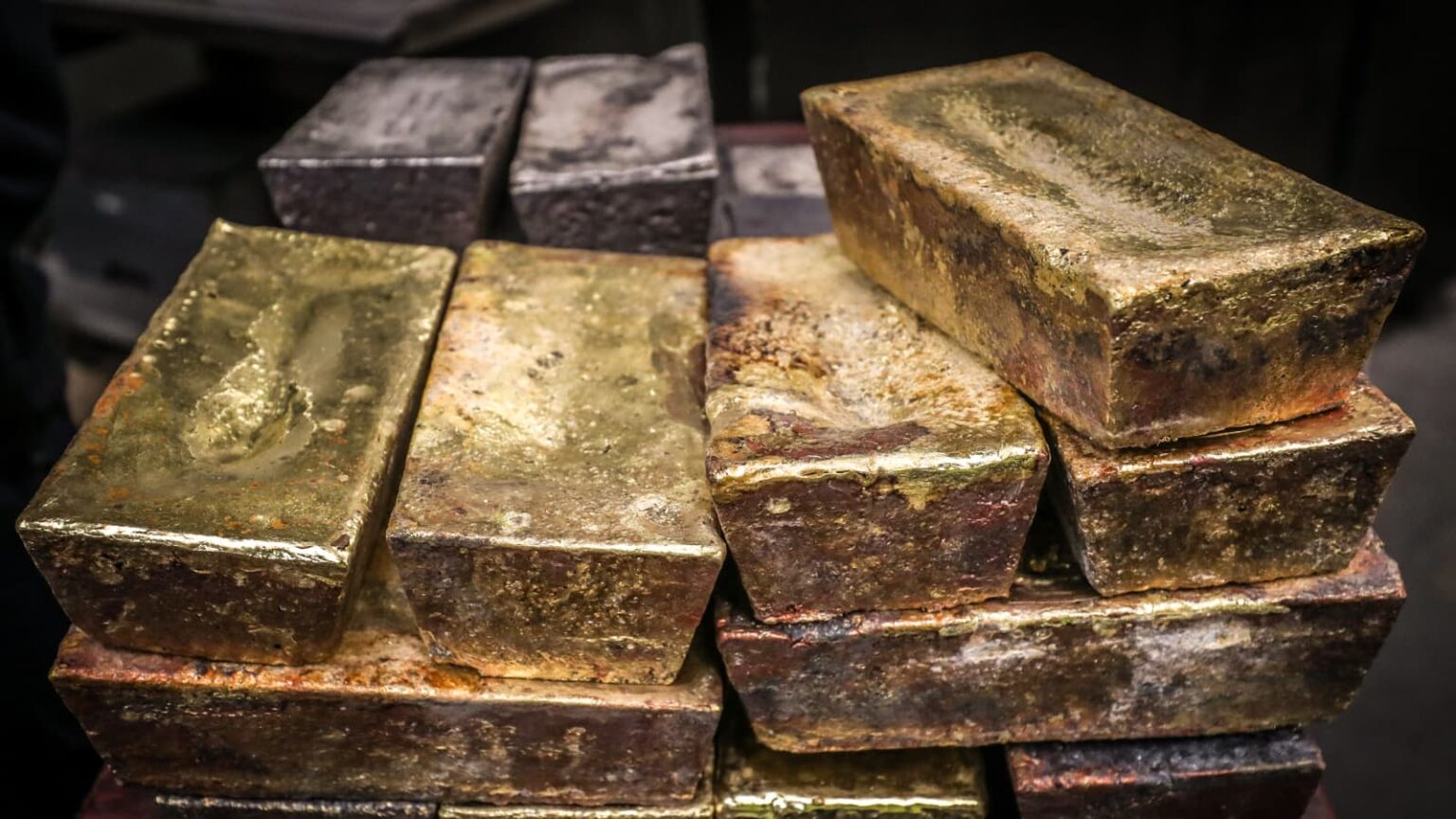
Silver prices came under sharp pressure as markets entered the annual commodity index rebalancing window, which YourDailyAnalysis identifies as a mechanical but powerful force capable of temporarily overwhelming fundamentals. The metal extended losses for a second session, reflecting large-scale futures selling by passive funds adjusting positions to new index weightings after last year’s outsized gains.
From a market-structure perspective, what stands out is scale. The volume of silver futures expected to be sold over the rebalancing period represents a meaningful share of open interest, magnifying short-term volatility. In contrast to gold, silver’s thinner liquidity and dual role as both an investment and industrial metal make it far more sensitive to forced flows. As a result, price action at this stage says more about positioning than about underlying demand. At YourDailyAnalysis, we view this episode as a reminder that index mechanics can distort signals, particularly after extreme performance years. Silver’s rally over the past year sharply increased its weight in major commodity benchmarks, effectively turning routine rebalancing into a significant supply shock for derivatives markets. Exchange-traded funds amplified the move, with notable outflows reflecting heightened volatility rather than a shift in long-term investor conviction.
Gold, by comparison, stabilized after initial losses. Its deeper market and structurally different demand base continue to provide insulation from purely technical selling. Central bank accumulation, sustained ETF interest and a weaker U.S. dollar remain key supports. These forces reinforce gold’s role as a strategic reserve asset rather than a cyclical trade, limiting downside even during periods of broad-based portfolio adjustment.
Beyond index flows, macro conditions remain broadly constructive for precious metals. Expectations that U.S. monetary policy will ease further later this year continue to underpin non-yielding assets. Fiscal pressures and rising sovereign debt levels add another layer of support, particularly for gold, which increasingly functions as a hedge against systemic risk rather than short-term inflation alone. At the same time, silver’s longer-term outlook remains intact. Physical market tightness, constrained inventories and industrial demand linked to energy transition technologies provide a structural floor once rebalancing-driven selling subsides. In this sense, current weakness reflects timing rather than deterioration in fundamentals.
From the standpoint of YourDailyAnalysis, the divergence between gold and silver highlights an important portfolio distinction. Gold is behaving as a stability anchor, absorbing shocks from technical flows with limited damage. Silver, while more volatile, offers higher beta exposure to both macro easing and industrial recovery, making it more sensitive but potentially more rewarding once forced selling ends.
Looking beyond the immediate rebalancing window, attention will return to economic data and policy expectations. Softer labor market signals or confirmation of rate cuts would likely restore upward momentum across precious metals. Until then, price action should be interpreted with caution, as liquidity-driven moves can obscure underlying trends.
In conclusion, as emphasized in Your Daily Analysis, the recent decline in silver should be viewed as a technical adjustment rather than a fundamental reversal. For investors, gold continues to serve as a defensive core holding, while silver’s pullback may represent an opportunity for those able to tolerate short-term volatility in exchange for longer-term upside.