


Vietnam’s latest trade figures show a sharp contraction in smartphone shipments to the United States, a development that, according to analysts at YourDailyAnalysis, reflects mounting policy uncertainty and weakening global demand for consumer electronics. November exports of phones and components – one of Vietnam’s most critical export categories – fell to their lowest level in more than five years, despite the fact that smartphones remain formally exempt from U.S. tariffs.
Official data indicate that shipments peaked in January and rebounded in May after U.S. authorities removed smartphones and certain electronics from a list of high-tariff goods. That recovery proved short-lived. Starting in August, exports began to decline sharply after the introduction of a 20% tariff on a broad range of Vietnamese products, even though phones themselves retained exempt status. Experts at YourDailyAnalysis note that the episode underscores how indirect or sector-adjacent trade measures can disrupt supply chains and influence exporters’ production planning.
In November, smartphone exports to the U.S. fell to under $410 million, marking the lowest monthly total since May 2020 and the fourth consecutive monthly decline. Updated data also show that domestic phone production in Vietnam has been contracting year-on-year since August. According to YourDailyAnalysis, the drop has been partially masked by unusually strong growth in the first half of the year, keeping cumulative exports for the first 11 months of 2025 roughly on par with the previous year.
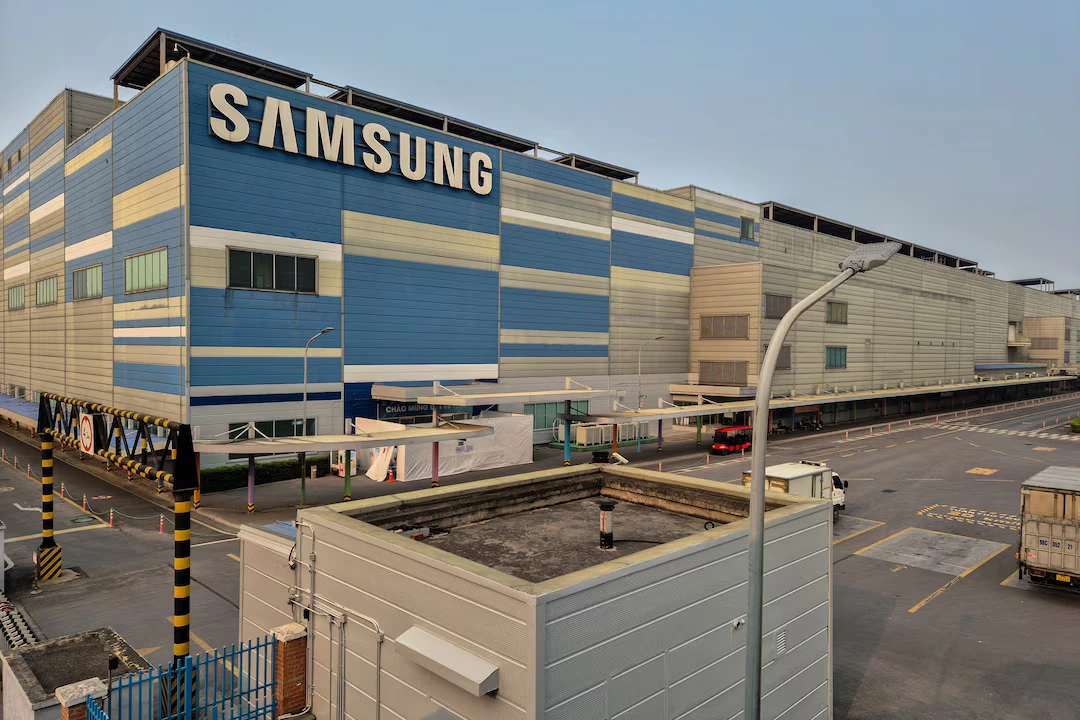
The trend is particularly significant given Vietnam’s dependence on a single anchor manufacturer: Samsung Electronics. The South Korean company accounts for a dominant share of the country’s electronics output and export volume. Samsung does not disclose its export breakdown from Vietnam and declined to comment on the trade data. However, a senior company representative familiar with its operations confirmed that production and shipment volumes have been adjusted in response to softening consumer sentiment across major markets. Analysts at YourDailyAnalysis emphasize that such recalibrations are typical when inventories rise globally and demand for high-end devices cools.
The decline in smartphone shipments has also dragged down Vietnam’s broader trade performance. Total exports in November fell to nearly $4 billion, the lowest reading since April. Vietnam’s export model – heavily concentrated in electronics – amplifies its exposure to cyclical demand swings and external policy shifts, particularly from the United States.
Taken together, the latest indicators show that Vietnam’s smartphone export cycle is increasingly shaped by global macro headwinds: slower U.S. consumption, tariff-related uncertainty, inventory adjustments by major manufacturers, and a broader cooling of the premium electronics market. As Your Daily Analysis concludes, Vietnam’s ability to navigate these pressures will be central to the resilience of its export-driven growth model in the coming years.