


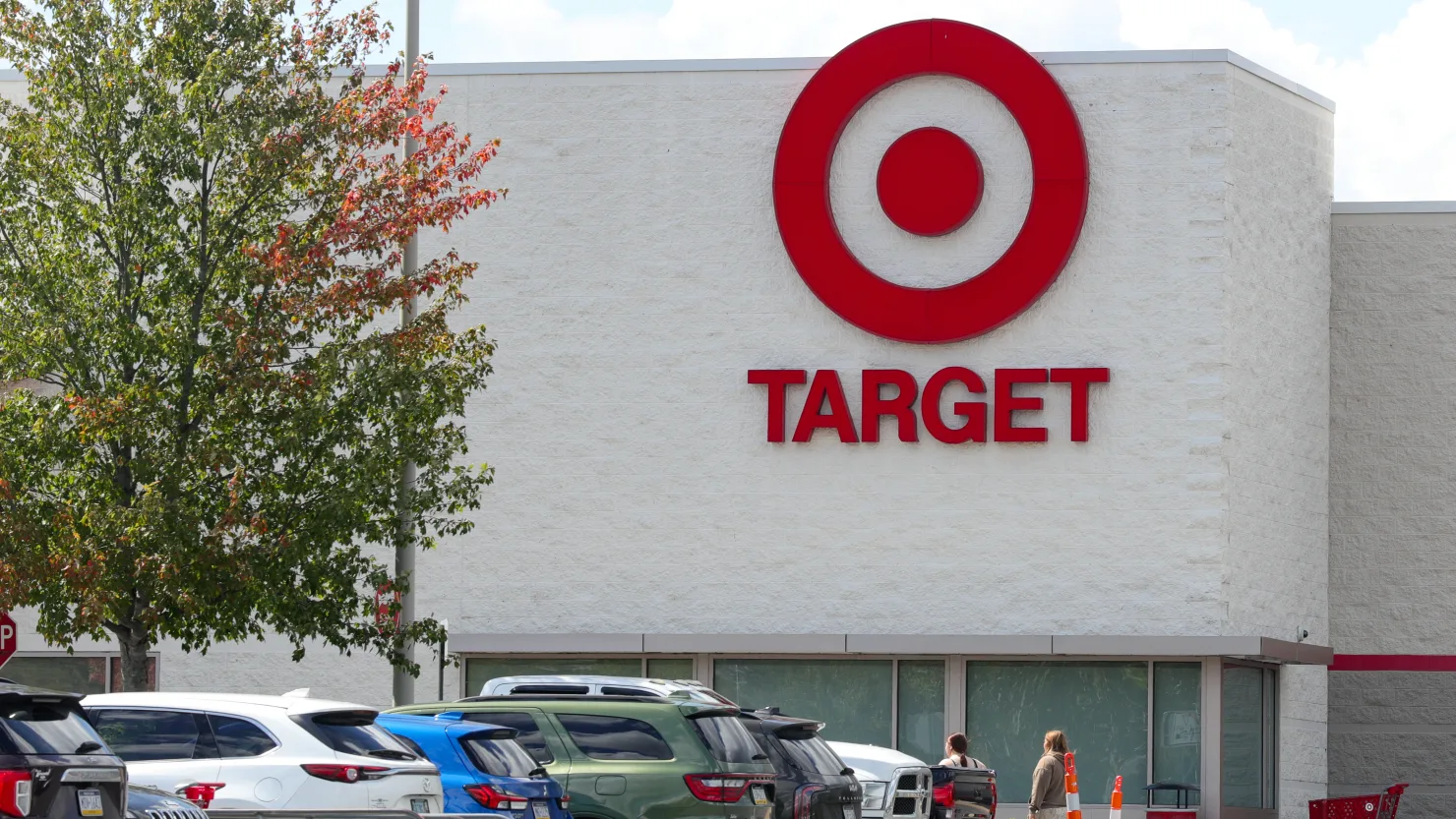
Target enters the holiday season carrying a paradox that has been building for years: even a retailer known for curated assortments, well-designed stores and a polished customer experience can lose momentum when consumer priorities shift and competitors become faster and sharper. The company is trying to regain its footing without resorting to dramatic reinventions, but the urgency is visible. At YourDailyAnalysis we see a business moving from aesthetic retailing to operational survival, where execution, cost discipline and smart digital bets are no longer optional but foundational.
The latest quarter underscored this changing reality. Adjusted earnings per share landed slightly above Wall Street’s estimates at 1.78 dollars, yet revenue slipped modestly below expectations to 25.27 billion dollars. Behind these balanced numbers sits a far more structural issue: comparable sales fell 2.7 percent, store traffic declined 2.2 percent and average transaction value slid by 0.5 percent. As we noted at YourDailyAnalysis, this type of divergence – stable profitability but shrinking footfall – usually signals that a company is masking demand weakness through margin management rather than solving the core growth problem.
The appointment of Michael Fiddelke as CEO starting February marks a shift toward inward reconstruction rather than external reinvention. Instead of bringing in an outsider, Target handed the turnaround to someone who knows every operational layer of the business, from supply chain to merchandising. His early priorities center on restoring Target’s identity as a design-forward retailer, unifying in-store and online experiences, and deepening the company’s technology backbone. A 25 percent increase in capital spending next year, up to 5 billion dollars, shows how aggressively Target plans to rebuild its physical and digital infrastructure. In our view, this is the only realistic path forward: without a refreshed store model and a faster digital engine, Target risks losing its long-standing differentiation.
Technology is becoming the core of this reboot. Target Trend Brain – the company’s new internal AI tool – scans emerging aesthetic and consumer patterns to help merchants spot trends earlier and reduce fashion-cycle risks. AI-driven synthetic audiences allow Target to simulate customer reactions to products and campaigns before they launch. And the introduction of ChatGPT-powered shopping inside the Target app signals that the company sees conversational interfaces as the next major retail entry point. For us at YourDailyAnalysis, this is one of the most strategically important decisions Target has made: unlike promotions or temporary price cuts, it builds long-term capability, not stopgap volume.
But the fundamental issue remains: fewer people are shopping at Target, and those who do spend less. Consumers are prioritizing essentials such as groceries, cleaning supplies and cosmetics, and reducing discretionary purchases – historically Target’s sweet spot. In response, the company cut prices on more than 3,000 food and home items and fixed holiday price points to feel aggressively affordable. This helps protect traffic, but compresses margins and cannot become a permanent operating model.
In the search for renewed emotional connection, Target is leaning heavily on exclusivity. This year’s holiday assortment includes 20,000 new items – more than double last year’s – with over half available only at Target. An exclusive seasonal drink developed with Starbucks adds another experiential touchpoint. Yet as we emphasize in YourDailyAnalysis, these efforts will succeed only if they align with the consumer’s current value mindset, not fight against it. Shoppers this season want meaningful purchases, not decorative abundance.
Investor sentiment reflects the challenge. Target shares have fallen roughly 67 percent from their 2021 peak and nearly 35 percent year-to-date. The market is waiting for one specific signal – a stabilizing or improving sales trajectory. For now, this has not materialized: comparable sales have declined for three consecutive quarters, and net income fell 19 percent year-on-year.
Internally, executives acknowledge that demand remains uneven. August and October sales were flat, September slumped 4 percent, and even in peak seasonal periods consumers traded down. Halloween spending favored candy over décor, and Target expects a similar “prioritize what goes under the tree, not what hangs on it” pattern for Christmas.
From our perspective at Your Daily Analysis, Target is entering a multi-phase reconstruction that will unfold over years, not quarters. The retailer must rebuild relevance, modernize its infrastructure and re-earn habitual traffic in an environment defined by cost-conscious consumers and hyper-efficient competitors. For long-horizon investors willing to tolerate volatility, Target could eventually present a compelling turnaround opportunity. For everyone else, the wisest move is patience: wait for clear signs that demand – not operational triage – is driving the numbers again.