



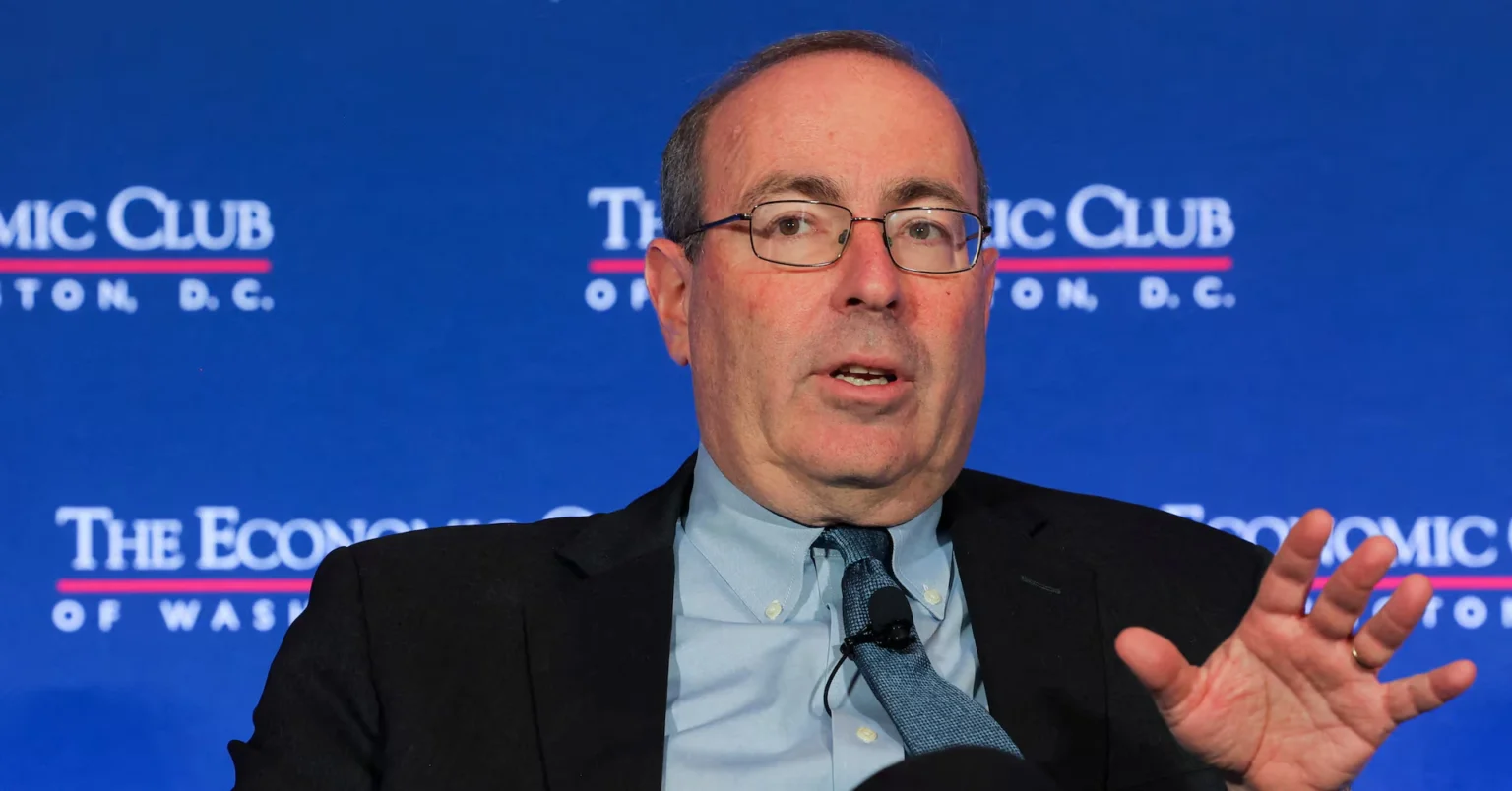
December inflation data offered policymakers a measure of relief, but not a sense of resolution. Speaking in Washington, Richmond Federal Reserve President Tom Barkin described the latest figures as “encouraging,” while cautioning that inflation has a history of resurfacing early in the year. For investors following the macro narrative through YourDailyAnalysis, the message was clear: the U.S. economy is holding a delicate balance, not entering a victory lap.
Consumer prices rose 2.7% year-on-year in December, undershooting some of the more pessimistic forecasts and reinforcing the idea that inflation pressures are moderating rather than reaccelerating. At the same time, inflation remains above the Federal Reserve’s 2% target, keeping policymakers in a holding pattern. In my assessment, this combination supports a strategy of patience rather than urgency: the data reduce the need for immediate tightening, but they do not yet justify a rapid pivot toward easing.
Labor market conditions further complicate the picture. Unemployment edged lower to 4.4% in December, still higher than a year earlier but far from signaling stress. Barkin’s remarks suggest that policymakers are increasingly focused on avoiding two symmetrical risks: allowing inflation expectations to re-anchor higher, or pushing restrictive policy far enough to destabilize employment. As YourDailyAnalysis has consistently noted, the current policy challenge is not about choosing growth or inflation control–it is about preventing either from tipping too far in the wrong direction.
Last year’s cumulative 75 basis points of rate cuts have yet to fully work through the economy, and Barkin emphasized the long lags inherent in monetary transmission. His comment that “no single meeting really matters” reflects a broader institutional mindset: policy mistakes can be corrected over time, but overreacting to short-term data noise can be costly. In this context, YourDailyAnalysis views the Fed’s current stance as deliberately conservative, favoring incremental confirmation over bold directional bets.
Political pressure adds another layer of uncertainty. Barkin declined to engage with reports surrounding potential legal threats against Fed Chair Jerome Powell, but reaffirmed a fundamental principle–that economies with independent central banks tend to perform better. From a market perspective, this matters less for its symbolism and more for credibility. Any perception that monetary policy is being influenced externally would risk destabilizing expectations at a time when confidence remains fragile.
Taken together, Barkin’s remarks underline the Federal Reserve’s preference for patience rather than urgency. With inflation easing but still above target, and labour market conditions neither overheating nor deteriorating sharply, policymakers appear inclined to preserve flexibility rather than commit to a predefined rate path. As Your Daily Analysis sees it, the central bank’s stance now rests on preventing premature shifts that could destabilise expectations, reinforcing the view that incremental adjustment – not decisive action – remains the dominant policy logic at this stage.