



The current moment feels less like a routine policy update and more like a decisive episode where markets are forced to recalibrate their assumptions. As highlighted by YourDailyAnalysis, the U.S. dollar’s slide is no longer being interpreted through the usual lens of interest-rate differentials. Instead, it reflects a broader reassessment of political risk and institutional credibility at a time when investors are unusually sensitive to signals from Washington.
President Donald Trump’s public dismissal of concerns over the dollar’s decline reinforced this shift. His comments were widely interpreted as tacit approval of further currency weakness, accelerating a move that had already been underway since the introduction of new tariffs and an increasingly erratic trade posture. For currency markets, the message was not about growth or competitiveness, but about tolerance for volatility. YourDailyAnalysis notes that when political leadership signals comfort with instability, the currency often absorbs the adjustment first.
What makes the current episode distinctive is that the dollar is weakening despite relatively stable Treasury yields. Under normal conditions, resilient yields would act as a stabilizing force. This breakdown suggests that markets are separating economic strength from policy reliability. As YourDailyAnalysis has repeatedly observed, once political uncertainty becomes a standalone pricing factor, traditional valuation anchors lose influence.
The ripple effects are visible across asset classes. Investors have increasingly rotated into alternative stores of value, pushing gold to record levels and accelerating flows into emerging-market assets. At the same time, positioning data indicate that traders are paying up for downside protection on the dollar, reflecting growing conviction that further volatility is not a tail risk but a base-case scenario. According to analysts at YourDailyAnalysis, this kind of asymmetric hedging typically emerges when confidence in policy coherence erodes faster than confidence in underlying growth.
Equity markets are also signaling discomfort. Diverging reactions to earnings – particularly in technology – suggest that investors are becoming less forgiving of uncertainty, even when headline results appear strong. Strong cash generation and clear strategic narratives are being rewarded, while ambiguity around investment cycles, regulation, or political exposure is being punished. This selective risk-taking reinforces the idea that the current environment is less about optimism or pessimism and more about trust.
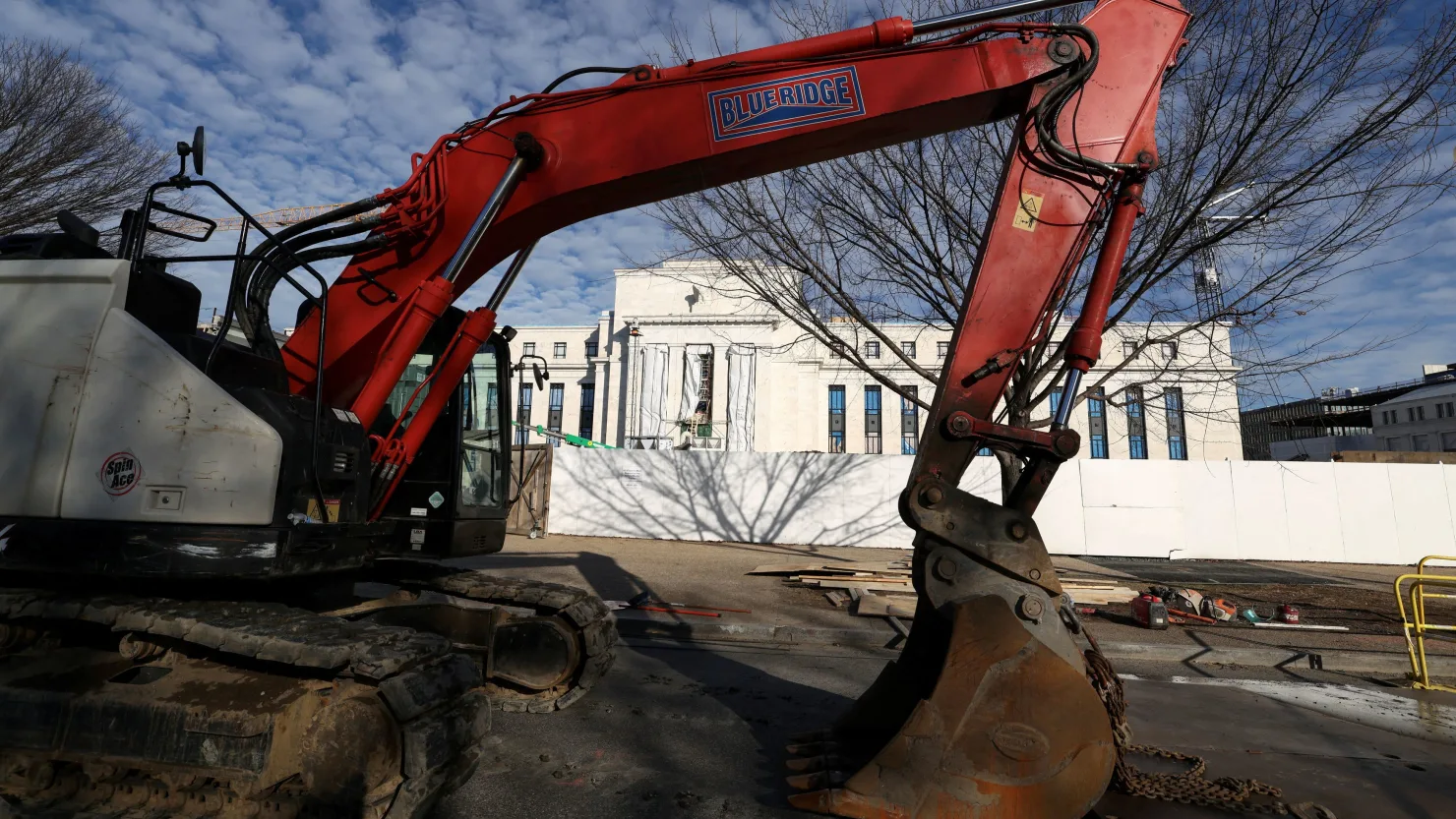
The impending announcement of the next Federal Reserve chair has added another layer of tension. Markets are not merely pricing a change in leadership but questioning how future monetary decisions might interact with political pressure. Even without immediate policy shifts, the perception that central bank independence could be tested is enough to influence capital flows. Your Daily Analysis views this as a critical inflection point: credibility, once questioned, is costly to rebuild.
Taken together, the dollar’s recent weakness is best understood as a barometer of institutional confidence rather than a verdict on U.S. economic fundamentals. Growth remains comparatively strong, but confidence-driven flows are becoming increasingly dominant. In such an environment, stability matters more than strength, and predictability carries a premium that markets are no longer willing to assume by default.
If this dynamic persists, investors are likely to continue favoring diversification over concentration and flexibility over conviction. The dollar may still benefit from episodes of rate-driven support, but those rallies risk being shorter and more fragile. From the perspective of YourDailyAnalysis, the defining feature of this phase is not decline, but uncertainty – and markets rarely price uncertainty cheaply for long.