


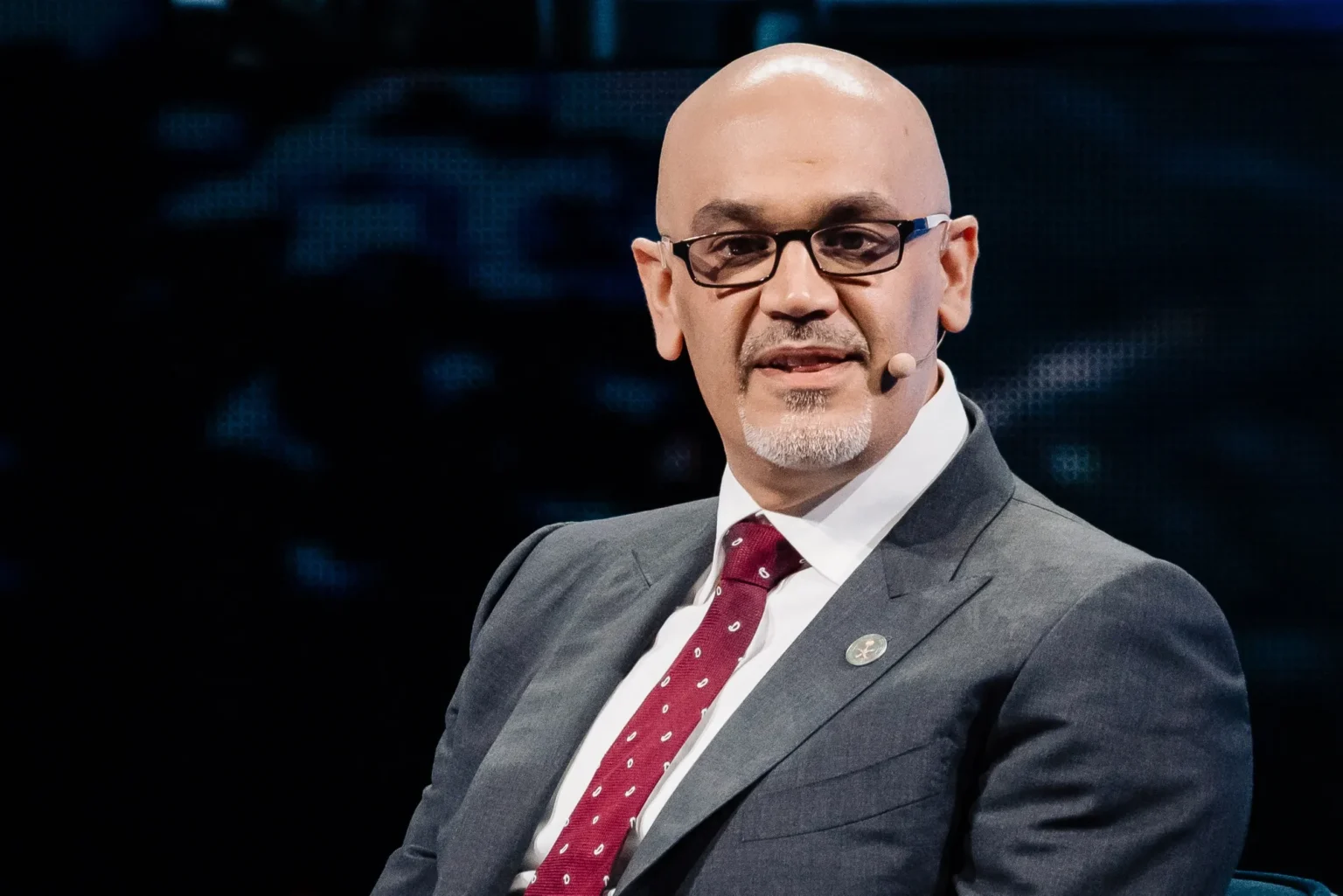
Saudi Arabia’s appointment of Fahad Abduljalil Al-Saif as investment minister signals a structural pivot in how the kingdom intends to attract and deploy global capital. Rather than framing the move as a routine cabinet reshuffle, YourDailyAnalysis interprets it as a recalibration of financial strategy at a time when Vision 2030 requires greater capital efficiency, tighter prioritization and stronger alignment with international funding conditions.
Al-Saif’s background is rooted in sovereign debt markets and institutional finance. He played a central role in building Saudi Arabia’s modern debt issuance program and expanding access to global bond markets. That experience becomes particularly relevant as the kingdom seeks to scale foreign direct investment to roughly $100 billion annually by 2030 – nearly triple recent levels. In the assessment of YourDailyAnalysis, such an objective cannot rely solely on policy promotion or diplomatic outreach; it requires consistent project bankability, predictable regulatory frameworks and disciplined capital structuring.
The global investment climate has become more selective. Higher-for-longer interest rate environments, geopolitical fragmentation and rising scrutiny over large-scale sovereign projects have shifted investor behavior. Capital now demands transparency, execution credibility and visible cash-flow pathways. From a macro-financial perspective, Saudi Arabia’s strategy appears to be transitioning from aggressive expansion to calibrated sequencing – prioritizing projects that can demonstrate return profiles attractive to institutional capital rather than relying purely on state-backed ambition.
The challenge is structural. Vision 2030 remains expansive, spanning tourism megaprojects, industrial diversification, logistics corridors, artificial intelligence infrastructure and green energy investments. Yet large-scale transformation requires not just capital, but confidence. YourDailyAnalysis notes that foreign investors typically focus on enforceable contracts, dispute-resolution clarity, exit mechanisms and minority protections. Without those foundations, headline targets risk underperformance.
Al-Saif’s experience at the intersection of sovereign finance and institutional capital markets suggests a potential shift toward tighter financial discipline. That may include more rigorous cost-benefit evaluation of megaprojects, clearer prioritization among competing initiatives and enhanced coordination between the Public Investment Fund and line ministries. If implemented effectively, this could reduce execution risk and strengthen credibility among global asset managers.
At the same time, external conditions remain influential. Oil revenue volatility, regional geopolitical considerations and global liquidity cycles will continue to shape Saudi Arabia’s funding flexibility. A finance-oriented investment ministry can improve capital efficiency, but it cannot fully insulate the kingdom from broader macroeconomic dynamics.
Looking forward, the central variable will be whether policy messaging translates into operational clarity. Investors will monitor project transparency, capital allocation consistency and the pace of regulatory reform. If Riyadh successfully aligns strategic ambition with measurable financial discipline, the $100 billion FDI target becomes more attainable. If not, market skepticism may persist.
In conclusion, Your Daily Analysis views the leadership transition not as a symbolic reshuffle, but as a strategic test of whether Saudi Arabia can evolve from capital mobilization to capital optimization. The coming years will determine whether the kingdom’s diversification narrative matures into a stable, investor-grade growth model capable of sustaining long-term foreign inflows.