


In the weeks leading up to SpaceX’s monster IPO, many Wall Street professionals feared the deal represented an existential threat to Elon Musk’s other giant, Tesla Inc. A month into trading, the outcome is far from clear. SpaceX priced at $135 in the largest IPO ever on June 11, opened at $150 the next day, soared in its first sessions, then fell back to close Thursday at $152.16 after dipping below $150 for a couple of sessions. YourDailyAnalysis starts with what didn’t happen: the feared Tesla selloff, driven by investors rotating capital into the shinier new listing, simply hasn’t materialized in any sustained way.
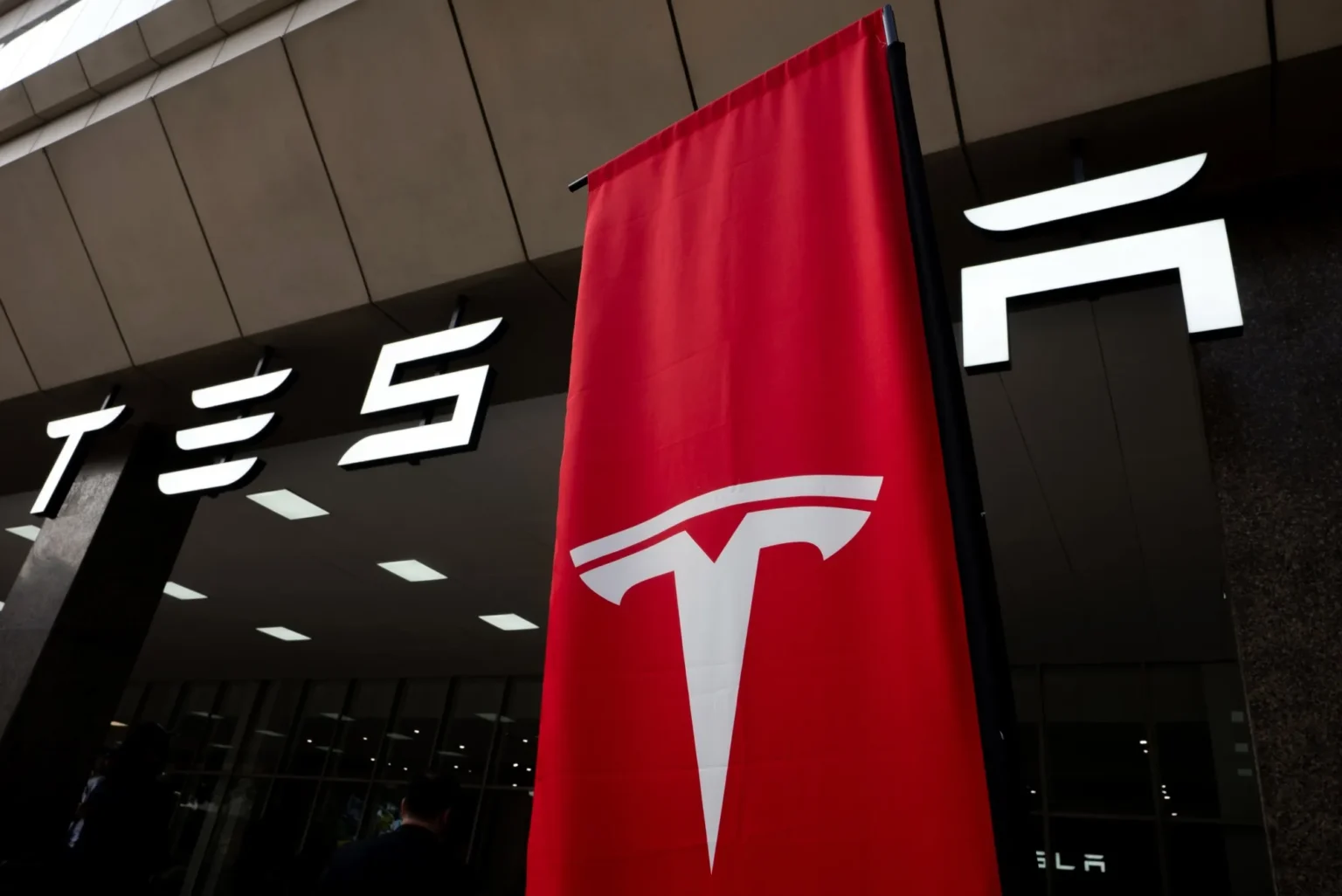
Tesla’s own numbers back that up. Shares opened June 12 at $399.49, closed that day at $406.43, and now sit at $406.55 – essentially flat to slightly higher over the entire month SpaceX has been trading. That stability is notable given how directly competing the two stocks were expected to be for the same pool of Musk-focused retail and momentum capital, and it suggests the anticipated one-for-one substitution effect between the two stocks hasn’t played out as cleanly as the pre-IPO worry implied.
The explanation several strategists point to is merger speculation itself, not fundamentals in either company. Traders are actively debating if, when and how SpaceX and Tesla will merge to create one giant Musk conglomerate, and that speculation appears to be propping up Tesla’s stock even as the specific “Musk premium” concerns that worried analysts before the IPO remain unresolved. YourDailyAnalysis treats that distinction as the crux of the story: Tesla’s stock is currently being supported by a hypothetical corporate-structure outcome rather than by anything happening inside Tesla’s actual business.
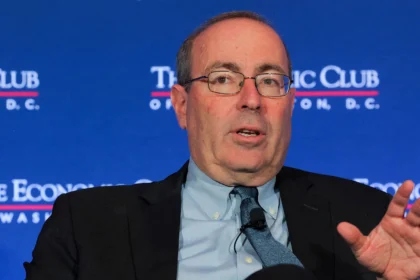
The valuation gap between the two companies underscores how much is riding on narrative rather than earnings. SpaceX carries a $2 trillion market capitalization despite being unprofitable – it lost $4.4 billion in 2025 and is projected to lose another $2.6 billion in 2026 – while Tesla, despite trading at more than 180 times projected next-12-month earnings, at least has actual earnings to point to. “From a valuation perspective, SpaceX does not make any sense,” said Vikram Rai, portfolio manager and macro trader at First New York. “It’s completely overvalued.”
Tesla-specific news during the same window shows the stock reacting more sharply to its own operating results than to anything SpaceX-related, which cuts against a pure merger-speculation narrative. Last week Tesla reported record second-quarter vehicle sales, yet the stock suffered its worst rout in a year. “That price action tells you exactly where the market’s attention is,” said Dmitry Shlyapnikov, an analyst at Horizon Investments. “Earnings on July 22 will be a near-term test of whether management can show the robotaxi and storage businesses moving from narrative to actual numbers.” YourDailyAnalysis reads that record-sales-yet-worst-rout combination as evidence Tesla’s stock has already stopped trading primarily on vehicle deliveries, for better or worse, and is instead pricing in the robotaxi and storage narrative Shlyapnikov flagged.
One strategist’s framing captures the double bind Tesla is currently in. “A splashy SpaceX IPO and strong trading have clearly pulled Musk-focused retail and momentum money away from Tesla, yet the same richness in SpaceX’s valuation underpins Tesla’s perceived bailout floor,” said Ivan Feinseth, chief investment officer at Tigress Financial Partners, adding that “where Tesla actually trades between those poles still depends on Tesla-specific execution.” Most analysts don’t see an actual merger arriving for at least a year, which gives Tesla time to reassert itself on fundamentals if, as Feinseth suggests, execution catches up with the narrative.
Watch Tesla’s July 22 earnings for whether robotaxi and energy-storage revenue moves from talking point to reported line item, and watch SpaceX’s retail flow data – which Vanda Research shows has yet to see a single day of net selling – for signs that enthusiasm is finally rotating away from Musk’s newer venture. Your Daily Analysis views the earnings date as the more consequential near-term catalyst for Tesla specifically, since it’s the first point where the market gets hard numbers to test against a month of pure merger speculation.