


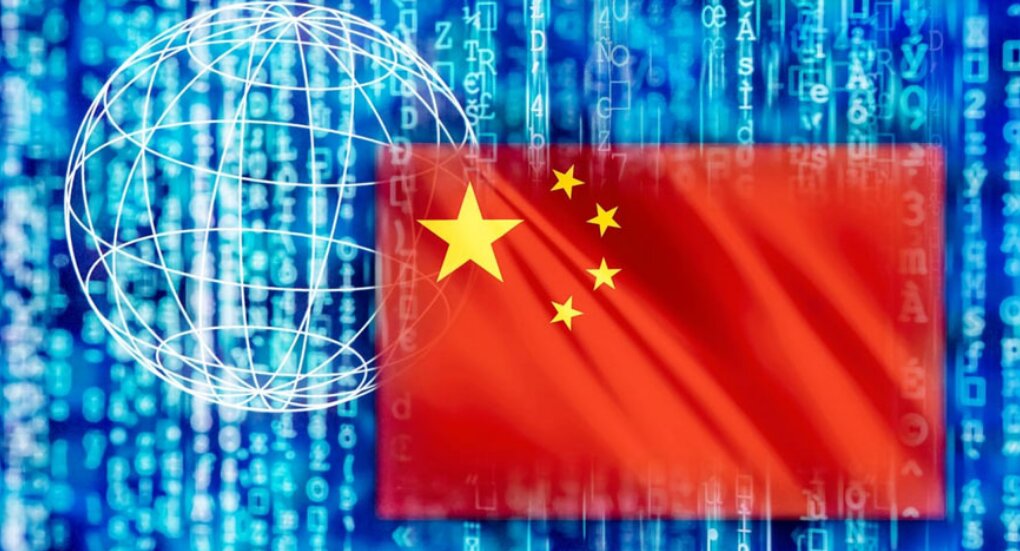
As artificial intelligence accelerates its expansion across industries, data has emerged as a central pillar of economic and technological power. Against this backdrop, China’s launch of the World Data Organization signals an attempt to shape how data will be governed and utilized globally. The initiative reflects a broader ambition to influence the next layer of digital infrastructure – not just technology itself, but the rules that define how it operates.
The organization aims to reduce fragmentation across national data policies, addressing a growing challenge for multinational companies that must navigate conflicting regulatory environments. Compliance costs have risen significantly as countries impose stricter rules on data storage, transfer, and usage. In this context, YourDailyAnalysis notes that any effort to harmonize these frameworks could attract strong interest from global businesses seeking operational clarity.
Beyond policy coordination, the initiative focuses on practical implementation. The organization plans to support data-driven ecosystems in sectors such as healthcare, education, and energy. This emphasis on real-world applications suggests a shift from theoretical governance to industrial deployment. As highlighted by YourDailyAnalysis, embedding data standards directly into economic activity could strengthen the organization’s influence far more than purely advisory frameworks.
The rapid development of AI has intensified the strategic importance of data. Access to high-quality datasets increasingly determines competitive advantage, making data governance a critical issue at both corporate and national levels. In this environment, calls for a globally recognized platform reflect a broader need to manage cross-border data flows more effectively. From this perspective, YourDailyAnalysis emphasizes that the initiative aligns with a wider transition in which data functions as a core economic resource, comparable to energy or infrastructure.
The organization’s scale also contributes to its relevance. With more than 200 members from over 40 countries – including companies, universities, financial institutions, and research organizations – it presents itself as a global platform rather than a localized initiative. This diversity enhances its credibility, while also indicating that data governance now spans multiple industries rather than remaining confined to the technology sector.
At the same time, questions around trust and neutrality remain central. Although the organization is structured as a non-governmental and non-profit entity, its emergence within China’s broader digital strategy raises concerns about potential alignment with national priorities. For global participants, the key issue will be whether the platform can operate as a balanced environment for cooperation or whether it becomes associated with a particular regulatory model.
The geopolitical context further complicates the picture. Different regions already follow distinct approaches to data governance, ranging from privacy-focused frameworks to more state-centered systems. In this fragmented landscape, any attempt to establish common standards inevitably intersects with broader strategic competition. As YourDailyAnalysis points out, the organization could either act as a bridge between these systems or evolve into another arena where competing models vie for influence.
For multinational companies, the initiative presents both opportunity and risk. A more unified framework could reduce compliance burdens and simplify cross-border operations. However, businesses may remain cautious if participation implies alignment with a specific regulatory ecosystem. This tension will likely shape the pace and depth of corporate engagement. The broader implications extend beyond governance. As data becomes increasingly embedded in economic systems, control over its flow and usage will influence innovation, productivity, and global competitiveness. The ability to define standards in this space may prove as significant as leadership in AI development itself.
Attention now turns to how effectively the organization can convert its ambitions into measurable outcomes. Over time, its influence will depend on its ability to build trust across diverse stakeholders and deliver tangible value. As reflected in Your Daily Analysis, the emergence of such institutions signals a new phase in the global digital economy, where leadership depends not only on technological capability but also on shaping the frameworks that govern data itself.