


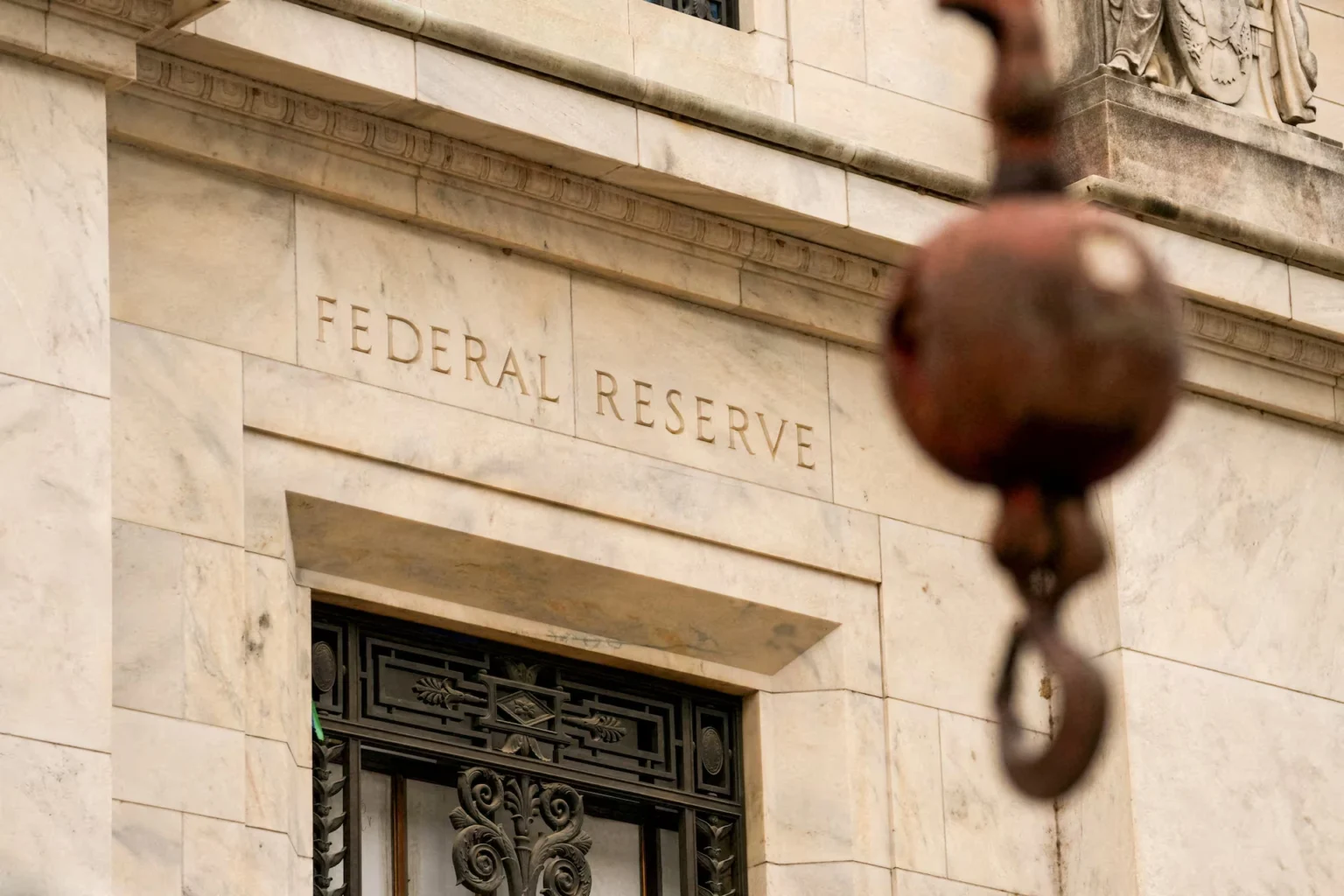
Concerns around the institutional independence of the Federal Reserve have resurfaced as a non-trivial factor in U.S. sovereign risk assessment. The issue extends beyond internal governance or personnel disputes and directly touches the credibility framework underpinning U.S. monetary policy. As YourDailyAnalysis frames it, perceived erosion of central bank autonomy functions as a multiplier on existing fiscal and macroeconomic vulnerabilities rather than a standalone shock.
The warning delivered by a senior analyst at Fitch Ratings underscores this logic. A serious politicisation of the Federal Reserve would be viewed as credit negative, not because it immediately alters debt ratios, but because it weakens confidence in policy consistency and crisis response capacity. For the United States, creditworthiness rests not only on economic scale, but on the assumption that monetary policy remains insulated from short-term political objectives.
Recent scrutiny intensified after U.S. prosecutors opened an investigation involving Jerome Powell, linked to cost overruns at the Federal Reserve’s headquarters renovation project. While the matter is administrative in nature, its broader implication is institutional. Investigative pressure directed at a sitting central bank chair introduces ambiguity around the boundary between oversight and political leverage. YourDailyAnalysis assesses that market impact, if any, would stem less from the investigation’s outcome and more from the precedent it establishes.
Central bank independence has long been treated by rating agencies as a core component of governance quality. In multiple sovereign cases, diminished monetary autonomy has correlated with higher inflation volatility, weaker anchoring of expectations and increased external vulnerability. The U.S. remains structurally distinct due to the dominant role of the dollar in global reserves, trade invoicing and financial markets. However, reserve currency status is not binary. It is sustained by accumulated credibility rather than legal designation.
The sensitivity highlighted by Fitch links directly to confidence in the dollar’s reserve role. That confidence allows the United States to operate with exceptional financial flexibility, including lower borrowing costs and sustained demand for Treasury securities during periods of stress. YourDailyAnalysis notes that even marginal doubts about institutional integrity can raise term premia over time, increasing the cost of debt servicing without any immediate fiscal deterioration.
This episode also intersects with broader governance concerns already embedded in the U.S. credit outlook. Previous rating actions have referenced fiscal brinkmanship and long-term debt dynamics, indicating that institutional performance is under active scrutiny. Pressure on Federal Reserve independence would not replace these factors, but could amplify their market impact by weakening the policy buffers that traditionally stabilise U.S. funding conditions.
The most probable outcome remains institutional continuity. There are no current signals pointing to an imminent downgrade or a material shift in the dollar’s global standing. The risk profile is cumulative rather than acute. Repeated political challenges to monetary autonomy, even if individually contained, would gradually alter risk pricing across rates, currencies and sovereign spreads.
From the perspective of Your Daily Analysis, the policy implication is clear. Preserving clear institutional boundaries between monetary authority and political processes remains a critical component of U.S. credit strength. For investors, the appropriate response is not de-dollarisation, but closer monitoring of governance signals as inputs into duration risk, volatility assumptions and long-term allocation models. In an environment where fiscal and monetary credibility interact, institutional integrity functions as a strategic asset rather than a procedural detail.