



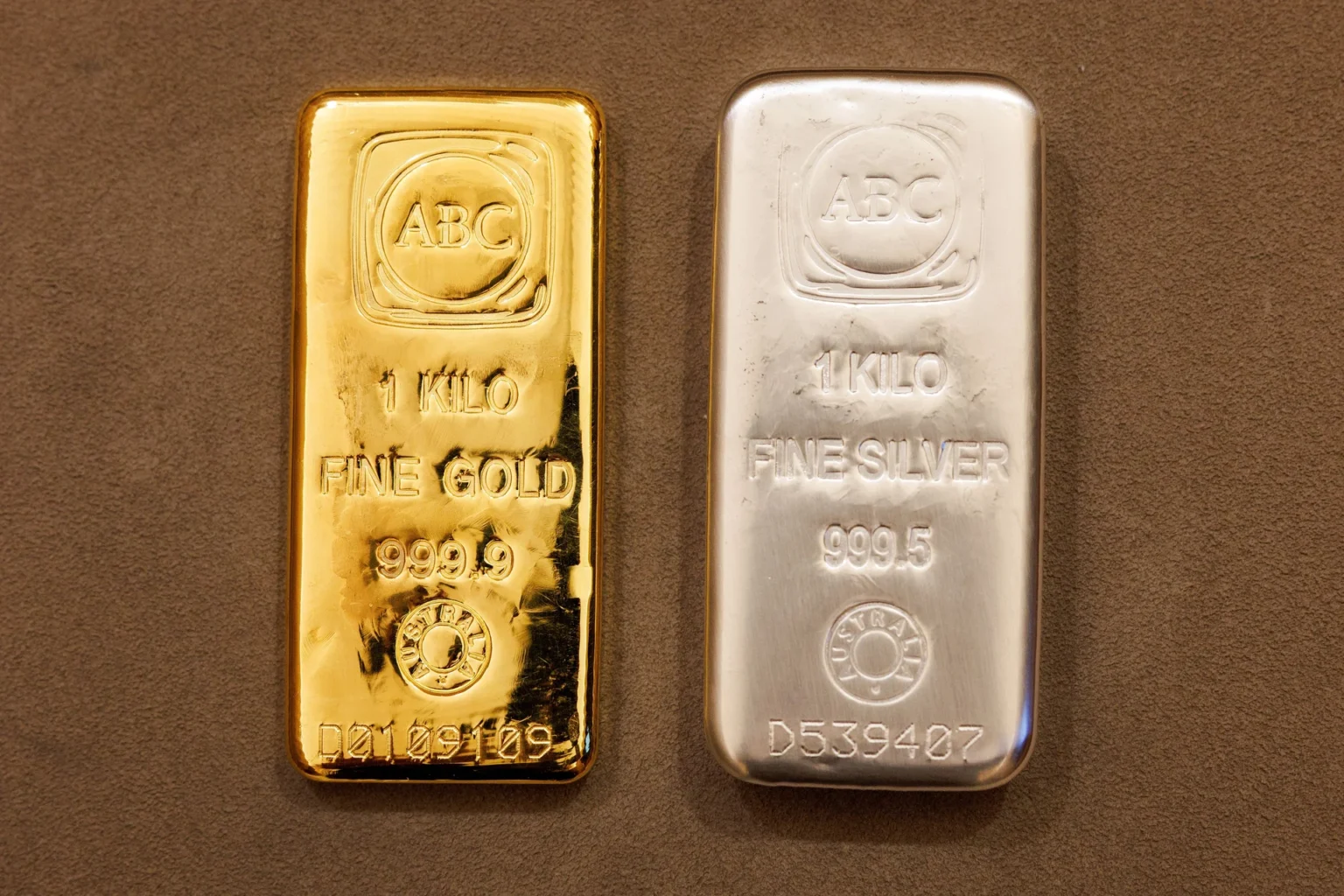
After an almost vertical rally, gold and silver have entered a phase of reassessment. What recently looked like a near-perfect macro trade – driven by geopolitics, inflation concerns, and declining trust in traditional reserve assets – is now facing the typical consequences of overheating. For YourDailyAnalysis, the current pullback reflects a combination of profit-taking, shifting rate expectations, and crowded positioning rather than a breakdown of the broader bullish narrative.
The first key factor is the scale of the rally itself. Gold and silver evolved from defensive assets into widely adopted consensus trades, supported by strong inflows into ETFs and speculative positioning. When too many participants align on one direction, even minor triggers can cause sharp corrections. As noted by YourDailyAnalysis, the current decline appears to be driven primarily by positioning pressure rather than deteriorating fundamentals.
The second driver is the shift in macro expectations. Rising energy prices and persistent geopolitical risks have reinforced the view that inflation may remain elevated, limiting the room for central banks to ease policy. This dynamic weighs on non-yielding assets such as gold and silver. According to YourDailyAnalysis, the repricing of interest rate expectations – alongside a stronger dollar and stable bond yields – has become a key short-term constraint on further upside.
A third important element is the scale of profit-taking and capital outflows. Large withdrawals from commodity-related funds have accelerated the correction. Not all of this reflects a change in long-term conviction – much of it is mechanical repositioning after strong gains. As highlighted by YourDailyAnalysis, such flows tend to amplify price movements beyond what fundamentals alone would justify.
The fourth factor is tightening conditions in derivatives markets. Higher margin requirements and stricter risk controls have forced weaker hands out of the market. This type of adjustment typically accelerates short-term declines without necessarily altering the broader trend.
Silver adds another layer of complexity. Unlike gold, it functions both as a safe-haven asset and an industrial input. Structural deficits in the physical market persist, supported by demand from sectors such as solar energy and electronics. However, sensitivity to economic cycles makes silver more volatile. For YourDailyAnalysis, this dual role explains why silver often outperforms during rallies but corrects more aggressively when sentiment shifts.
Geopolitics remains relevant, but its impact has become less direct. Market reactions are increasingly filtered through inflation expectations and monetary policy implications. Events that raise uncertainty can simultaneously support metals and pressure them lower by reinforcing expectations of tighter policy. This evolving dynamic, as observed by YourDailyAnalysis, has made price behavior more complex and less predictable.
ETF behavior is another important signal. Movements in major funds such as SPDR Gold Shares and iShares Silver Trust reflect broad investor sentiment and can accelerate both rallies and sell-offs. Declines in these instruments often reinforce market-wide risk reduction.
In practical terms, the current correction does not invalidate the broader case for precious metals. Core support factors – including central bank demand, geopolitical uncertainty, and structural supply constraints in silver – remain intact. However, the market is clearly signaling that the path forward will be volatile and non-linear.
Short-term price action is likely to remain sensitive to changes in rate expectations, dollar strength, and global risk sentiment. Over the medium term, metals may regain support if inflation persists and macro uncertainty remains elevated. As Your Daily Analysis suggests, gold and silver have not broken – they have simply stopped being an easy trade.