

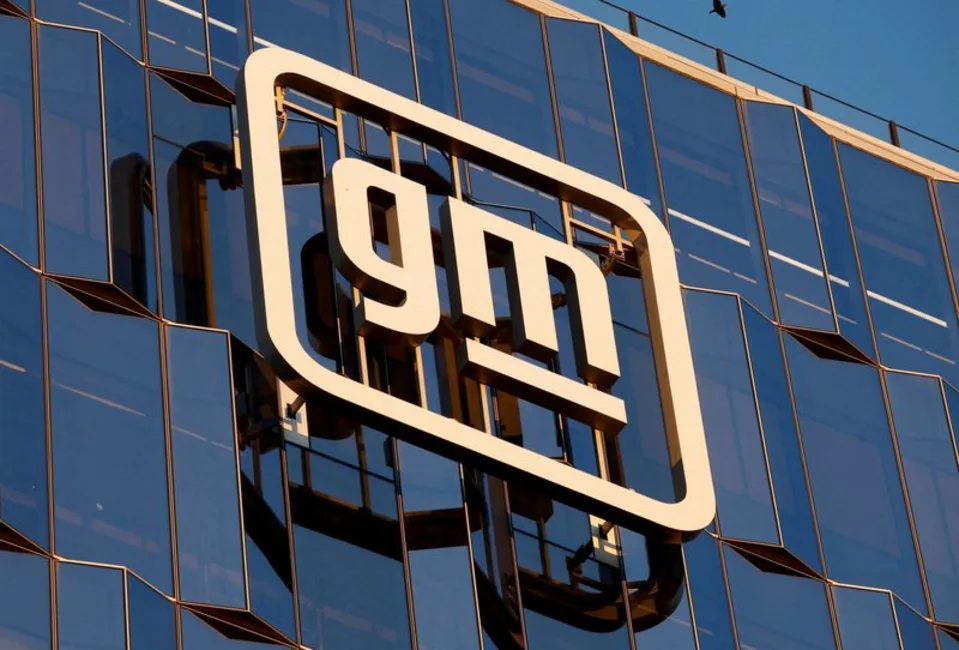
General Motors is in talks with Lockheed Martin about manufacturing components for the defense contractor’s weapons systems, in what would mark the most significant expansion of GM’s defense subsidiary since the unit was revived nearly a decade ago. Under the arrangement being discussed, GM would produce commonly used parts to help Lockheed Martin boost munitions output. No agreement has been finalized. The wars in Ukraine and Iran have drawn down U.S. missile and munitions inventories faster than traditional defense contractors can replenish them. YourDailyAnalysis spots the industrial logic immediately – GM has large factories, deep precision manufacturing experience, and production floor space that the auto industry’s demand contraction has left underutilized.
The Pentagon has been pushing non-traditional manufacturers into the defense supply chain for exactly this reason. Established defense contractors face capacity ceilings that cannot scale quickly. Common components – fasteners, structural elements, machined metal parts, electronic housings – can potentially be manufactured by any precision engineering operation meeting specification requirements.
GM CEO Mary Barra has already met with President Trump. The Defense unit has supplied light tactical vehicles to the U.S. Army. The weapons component talks with Lockheed would represent a scale-up in complexity and strategic importance. For GM, the financial context is important: global vehicle sales have contracted and the shift to electric vehicles has consumed capital while generating lower near-term margins. The business case that YourDailyAnalysis dissects is direct: GM wants the contract, the Pentagon wants the capacity, and Lockheed wants the output.
There are complications worth mapping. Defense manufacturing requires compliance with the International Traffic in Arms Regulations, Defense Federal Acquisition Regulation Supplement requirements, and quality certification standards that take time and investment to establish. Defense compliance is distinct from automotive certification and would require dedicated resources from GM.
If GM and Lockheed Martin close this arrangement, it will accelerate a trend the Trump administration has been explicitly encouraging: bringing America’s general manufacturing base into the defense industrial complex. Activating even a fraction of the country’s approximately 12 million non-defense manufacturing workers for munitions and weapons component production would meaningfully change the country’s ability to sustain extended military operations. The precedent that YourDailyAnalysis interprets maps directly to the World War II industrial mobilization, when civilian manufacturers converted production lines to military output within months.
Both GM and Lockheed Martin stocks moved higher overnight on the news. The market’s read is that this deal adds defense revenue to GM at a moment when automotive margins are under pressure, and adds manufacturing capacity to Lockheed at a moment when delivery commitments are constrained.
The specific components GM could manufacture remain undisclosed. Common components in weapons systems range from commodity precision machining to semi-specialized structural elements requiring specific alloys, tolerances, and certifications. If the components fall into the commodity end of the range, the value to Lockheed is primarily capacity. The variable that YourDailyAnalysis measures as most consequential is the component specification, which will only become clear after the agreement is finalized.
The geopolitical dimension extends beyond the immediate financial logic. The wars in Ukraine and Iran have demonstrated that modern high-intensity conflict consumes precision weapons at rates that peacetime procurement cycles were never designed to support. Bringing non-traditional manufacturers into the supply chain is a structural response to a permanent change in the demand environment.
The GM-Lockheed conversation is early stage and no agreement has been finalized. Your Daily Analysis closes on the question that will determine whether this becomes a commercial relationship or a headline: whether the common components GM can realistically manufacture represent a meaningful share of Lockheed’s production bottleneck, or whether the required parts push back into categories that only established defense suppliers can certify.