


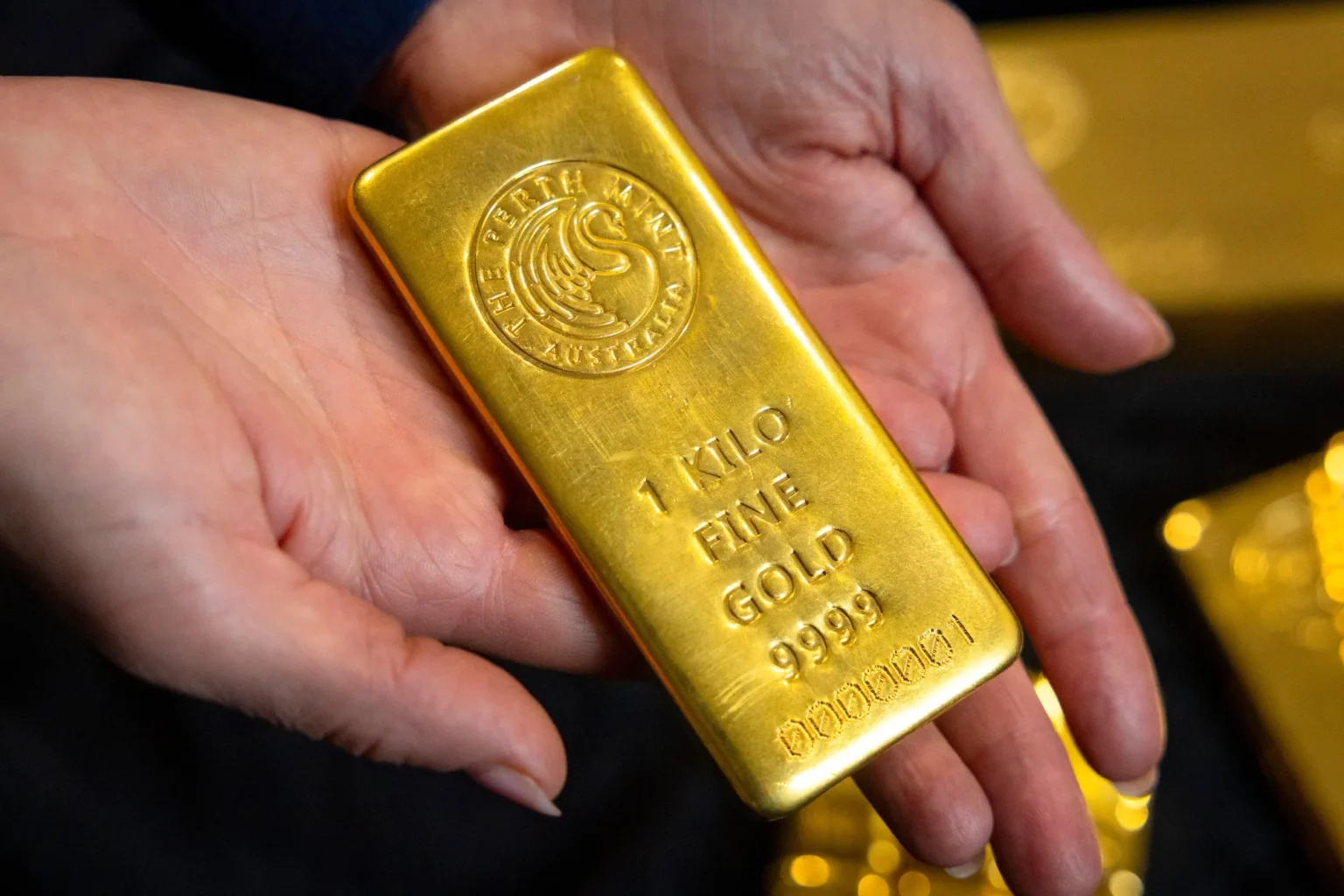
Gold reversed an early slide and edged higher as the US-Iran peace track stalled, leaving traders to price another round of tension around the Strait of Hormuz and the inflation shock that could follow. The move was not dramatic in percentage terms, but the intraday swing mattered: bullion fell, recovered, and then held firm while oil climbed and the dollar lost some of its earlier support. YourDailyAnalysis reads that shift as a sign that investors are no longer treating geopolitical risk as a headline disturbance, but as a live input into monetary expectations.
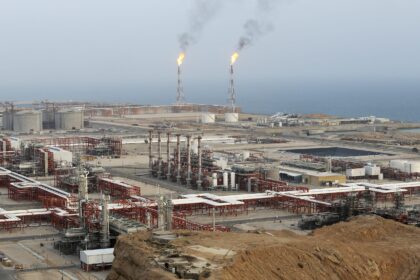
The Strait of Hormuz sits at the center of that anxiety because any prolonged disruption would push energy costs through supply chains already sensitive to freight, insurance, and inventory risk. Gold usually benefits from fear, weaker real yields, and a softer dollar; here, the problem is messier. Higher oil can lift inflation expectations, which may keep central banks restrictive, and that normally weighs on a metal with no yield. The market is trying to hold two ideas at once – danger supports bullion, inflation discipline restrains it.
That tension explains why gold looks strong without looking fully free. Prices have been trapped in a broad consolidation zone, even as the news flow has turned more combustible. A failed diplomatic opening does not automatically create a clean rally when bond investors are also asking whether energy-driven inflation will delay rate cuts or revive rate-hike talk. YourDailyAnalysis places the current gold trade in that uncomfortable middle ground, where haven demand rises but policy risk refuses to disappear.
India adds a separate pressure point. A public call to reduce gold purchases for a year speaks to the strain created when oil and bullion imports both drain foreign-exchange reserves. For the world’s second-largest gold importer, weaker demand would not erase global safe-haven flows, yet it could soften one of the market’s traditional physical supports. The signal is political as much as economic: countries exposed to expensive fuel are beginning to treat gold consumption as part of a wider balance-of-payments problem.
Silver’s surge carried a different flavor. Its jump was sharper, more technical, and heavily shaped by leveraged buying, trend-following flows, and options positioning that favored further gains. YourDailyAnalysis treats silver’s move as less of a pure haven story and more of a liquidity event inside a market suddenly willing to chase momentum. That can create powerful rallies, but it also makes the metal vulnerable to abrupt reversals once speculative positioning becomes crowded.
The contrast between gold and silver matters. Gold is absorbing fear with caution; silver is translating market stress into aggressive upside. Platinum and palladium joined the advance, adding to the sense that precious metals are becoming a release valve for investors uneasy about oil, currencies, and rates. Yet the drivers are not identical, and that distinction may decide which moves survive the next turn in the diplomatic cycle.
The sharper story is not that gold rose. It is that bullion failed to break away even as the geopolitical backdrop worsened, while silver exploded on positioning and technical signals. Your Daily Analysis sees a market split between protection and speculation – one part buying insurance against a wider Middle East shock, another chasing metal volatility before policy, energy, and currency markets settle the argument.