

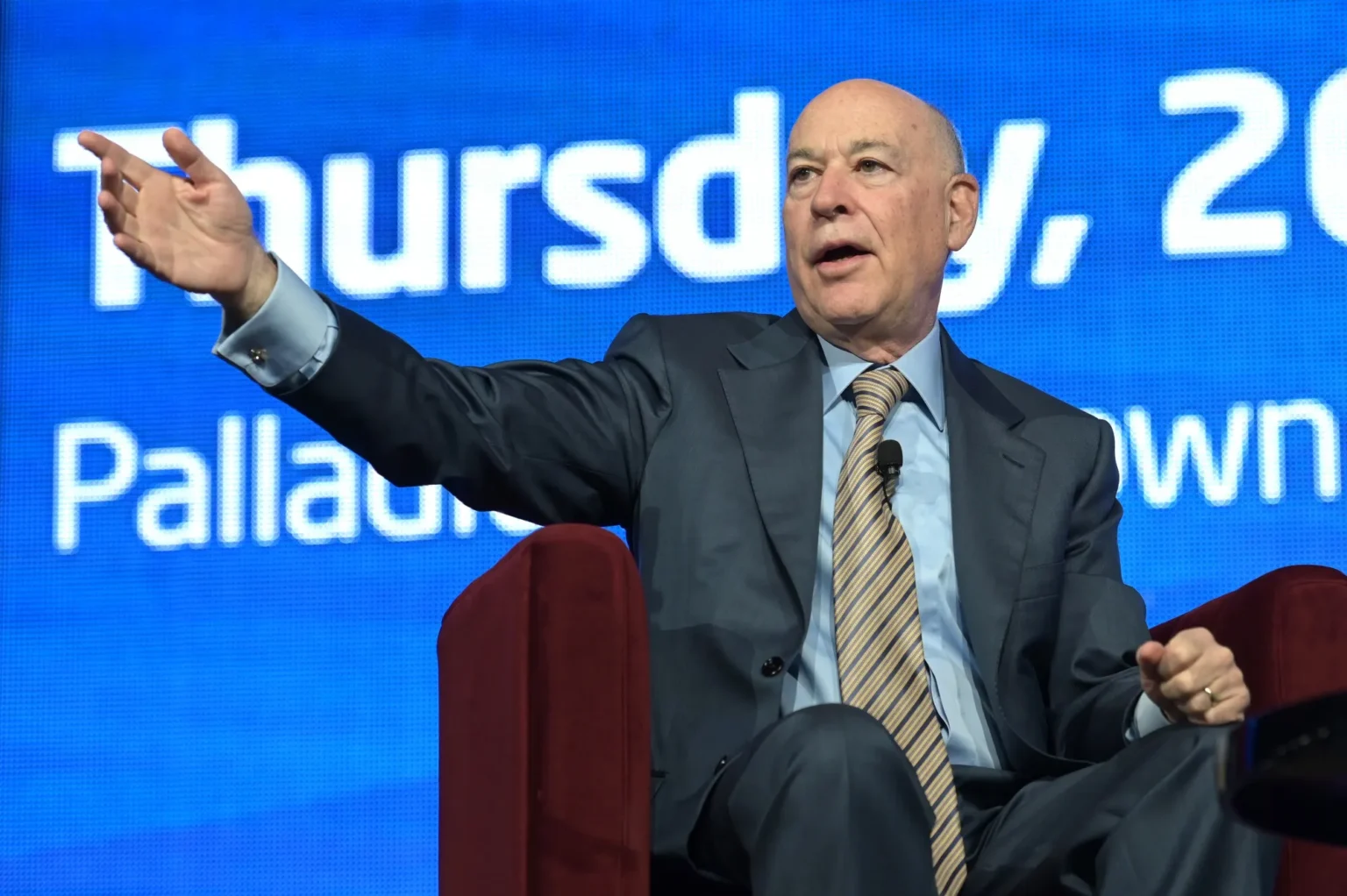
Markets often behave as if geopolitical shocks are temporary noise. However, when conflict disrupts energy flows, logistics, and inflation expectations, it becomes a structural macro factor rather than a short-term headline. In this context, Rob Kapito’s warning reflects a broader concern: investors may be underestimating not the conflict itself, but the persistence of its economic consequences. From the lens of YourDailyAnalysis, markets are still pricing a quick resolution, while real supply chains operate on a much slower timeline.
One of the most critical points is the projected macro impact. Economic growth could lose up to two percentage points, while inflation may rise by a similar amount – even if the conflict ends relatively soon. Energy disruptions rarely remain isolated; they spread into transportation, industrial inputs, and consumer prices. As highlighted by YourDailyAnalysis, markets tend to react to headlines fading, but underestimate the extended cost pressures that follow. Oil remains central to this risk. A move toward $150 per barrel may seem extreme, yet it becomes plausible under prolonged logistical disruption rather than outright supply collapse. Bottlenecks, higher insurance costs, and rerouted trade flows can sustain elevated prices well beyond the initial shock.
Market reactions themselves appear uneven. The S&P 500 has seen only limited declines, while traditional hedges such as gold and government bonds have not delivered consistent protection. This reflects a shift in how risk is interpreted. Inflation concerns are now directly competing with safe-haven demand, reducing the effectiveness of conventional defensive strategies. According to YourDailyAnalysis, this creates a more complex environment where classic portfolio hedges may not behave as expected.
At the same time, the economic transmission channel is becoming more visible. Rising energy costs feed into margins, weaken corporate balance sheets, and gradually pressure credit conditions. This sequence – from energy shock to inflation, then to tighter financial conditions and softer consumption – is increasingly shaping the outlook. YourDailyAnalysis emphasizes that once the credit cycle begins to deteriorate, the impact tends to become systemic rather than contained.
Supply chain disruptions are already extending beyond crude oil into petrochemicals, industrial materials, and shipping routes. The result is a cascading effect: higher input costs, margin compression, and eventual pass-through into consumer prices. This type of inflation is typically more persistent and harder to offset through monetary policy. Market sentiment remains a key vulnerability. Much of current pricing still assumes relatively fast normalization. In reality, even a ceasefire would not immediately restore logistics, risk pricing, or trade flows. The gap between expectations and operational recovery leaves room for further volatility, particularly in sectors tied to energy and transport costs.
For investors, the implications are clear. Limited equity declines should not be interpreted as limited risk. Diversification strategies may deliver weaker protection if inflation remains elevated. Greater focus is required on sectors exposed to energy, logistics, and consumer sensitivity, where pressure is likely to be more pronounced. The trajectory from here will depend less on headlines and more on how quickly real economic systems stabilize. Even in a de-escalation scenario, elevated costs and risk premiums may persist longer than expected. As Your Daily Analysis notes, the main risk lies not in the conflict itself, but in the duration and cost of its aftermath – a factor markets may still be underpricing.