


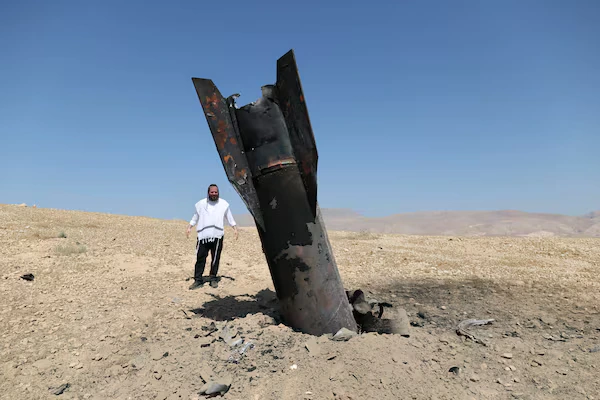
The ceasefire that had been holding since April 8 fractured over the weekend. Israel struck Beirut’s southern suburbs on Sunday, targeting Hezbollah infrastructure despite a U.S. request to stand down. Iran responded with multiple waves of ballistic missiles toward Israel. Israel then struck military targets in western and central Iran – the most significant crossfire since the April truce. YourDailyAnalysis identifies the immediate trigger as the Lebanon dimension: Iran’s IRGC stated the ceasefire was conditional on a ceasefire on all fronts, and Israel’s Beirut strikes constituted a breach of that condition from Tehran’s perspective.
Trump attempted to manage both sides. He called Netanyahu on Sunday to urge restraint; a senior official said Trump believed he had convinced Netanyahu to wait. By early Monday, Israel had already announced strikes on Iran. Trump told Fox News that each side had its fun, adding that a further round was unnecessary. He told the Financial Times that the United States calls the shots and that Netanyahu won’t have any choice. To Iran, Trump offered reassurance that the attacks would not affect ongoing deal negotiations.
A White House official, speaking anonymously, said Trump underestimated the willingness of Iran to restart the conflict and described the situation as a fundamental miscalculation from the White House with no imminent off-ramp. Iran’s IRGC characterized Sunday’s operation as a warning and threatened broader responses. Yemen’s Houthi rebels fired a missile at Israel and warned they would target Israel-affiliated ships in the Red Sea. YourDailyAnalysis isolates the three-front dimension – Israel-Iran, Lebanon, Houthi-Red Sea – as the structural reason diplomatic management is becoming harder with each exchange.
The April ceasefire was never fully stable. From the moment it took effect, both sides disputed its terms. Israel launched major strikes on Lebanon the same day the ceasefire was declared. Iran maintained the truce covered all fronts, including Lebanon. The Lebanon-Iran interpretation gap was the fault line, and Sunday’s Israeli strike on Beirut triggered the exact scenario Iran had warned about.
Israel’s military has maintained that degrading Hezbollah requires freedom of action in Lebanon regardless of what happens in the Iran nuclear negotiations. That military logic creates a structural conflict with the U.S. objective of reaching a Hormuz and nuclear deal with Iran. The analysts at YourDailyAnalysis map this tension as the obstacle that cannot be resolved by any single phone call from Trump.
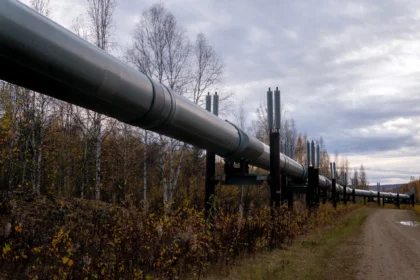
The Hormuz dimension is where markets focus. The strait has been functionally closed since February, cutting off roughly a fifth of global oil supply. Every military exchange that sets back talks extends that closure. Oil prices jumped more than 2% on Monday’s open, with Brent briefly spiking 4.4% to $97.15. OPEC+ agreed to an output increase, but analysts noted the impact remains limited given the Hormuz constraint.
There is a third scenario that has received little attention. A deal that reopens Hormuz while Lebanon stays contested is not a stable equilibrium. Iran can characterize any subsequent Israeli Lebanon operation as a ceasefire violation and close the strait again. The editors at Your Daily Analysis describe this as the hidden leverage in Iran’s strategic position: the Lebanon link is not a complication to negotiations, it is a structural feature that gives Tehran continuing coercive power even after a Hormuz deal is signed.
Trump’s continued insistence that negotiations remain on track is both accurate and potentially misleading. Talks do continue. The core parties prefer a negotiated outcome over full-scale war resumption. But the operating environment – simultaneous military exchanges, three-front hostilities, and an internally divided Israeli government on Lebanon – is measurably worse than a week ago.
The next 72 hours will test whether this weekend’s exchange constitutes a blip in a fragile but surviving ceasefire or the beginning of its unraveling. Whether Netanyahu accepts the U.S. request to stand down on further Lebanon operations is the single most consequential variable. He declined to do so on Sunday. YourDailyAnalysis forecasts that decision as the variable that determines whether oil, gold, and equity markets get relief or continue their stress through the rest of the week.