


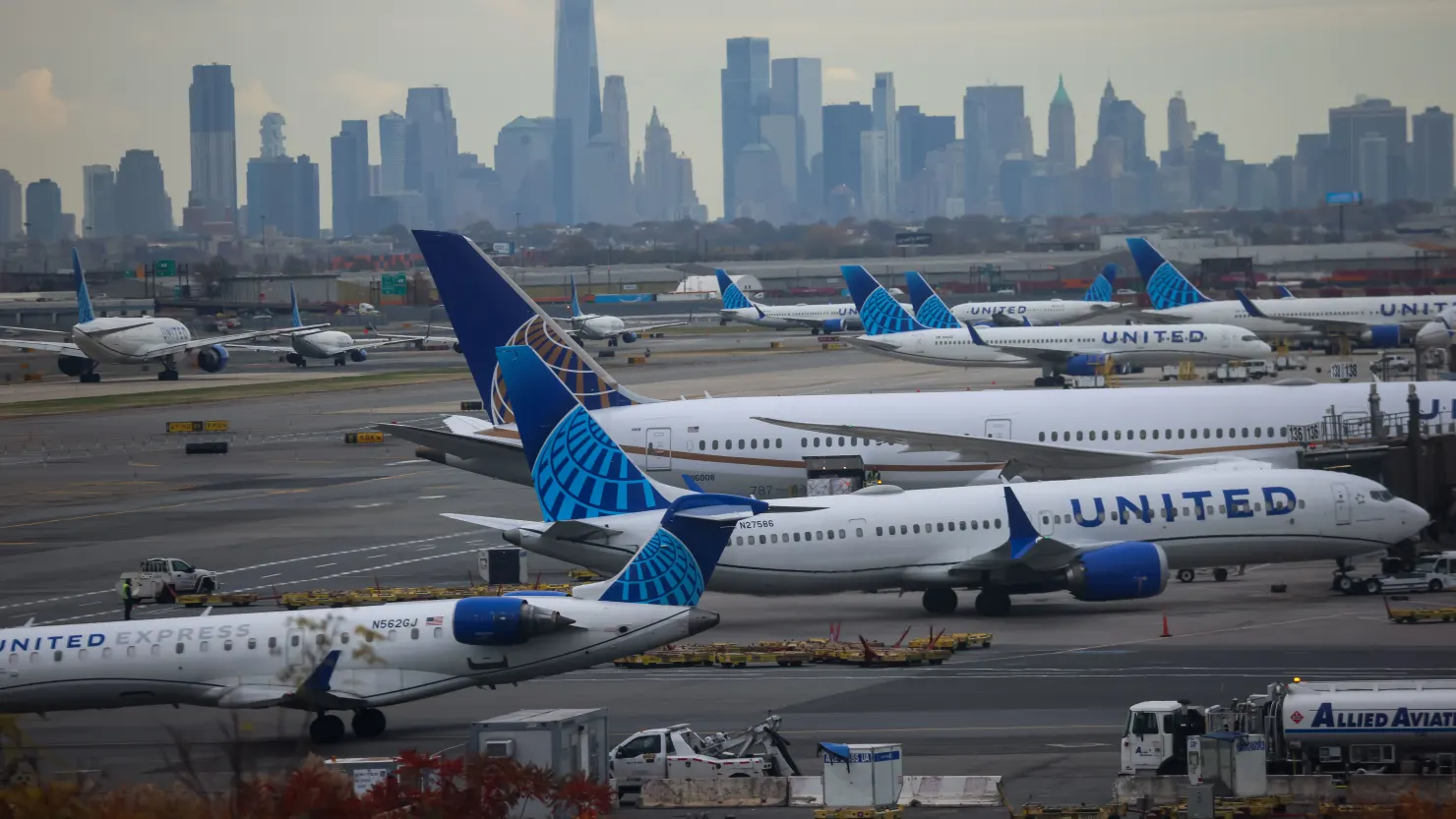
The recent increase in baggage fees by U.S. airlines highlights how quickly the aviation sector is passing rising fuel costs on to passengers. United Airlines’ decision to raise checked baggage fees by $10 reflects a broader industry response to surging jet fuel prices, which remain one of the largest cost components after labor. From the perspective of YourDailyAnalysis, this move signals that airlines no longer treat fuel volatility as temporary but instead adjust pricing structures to reflect a more persistent cost environment.
United’s new pricing model underscores a structural shift rather than a one-off adjustment. Passengers now pay up to $50 for a first checked bag on many routes, with similar increases across North and Latin American markets. This suggests a recalibration of ancillary revenue streams, which have become a critical profitability driver for airlines. Instead of relying solely on ticket prices, carriers increasingly depend on additional fees to stabilize margins during periods of cost pressure.
The pattern becomes more evident when looking at competitors. JetBlue has also raised baggage fees, and historically such moves tend to spread quickly across the industry. YourDailyAnalysis notes that once one major airline resets pricing expectations, others often follow, creating a new baseline for customer charges. This dynamic allows airlines to increase revenue incrementally without triggering immediate resistance tied to headline ticket prices.
Fuel costs remain the central driver behind these changes. Prices for jet fuel in major U.S. hubs have nearly doubled compared to pre-conflict levels earlier in the year. This places sustained pressure on operating margins, especially as airlines cannot fully hedge against prolonged price spikes. As highlighted by YourDailyAnalysis, rising fuel costs typically lead to a combination of responses: higher fees, selective route reductions, and gradual ticket price adjustments.
Importantly, the industry’s response suggests that executives expect elevated energy prices to persist. Strategic decisions such as reducing unprofitable routes and adjusting fee structures indicate that airlines are preparing for a longer period of cost pressure rather than a short-term spike. This shift in expectations explains why pricing changes appear systematic rather than reactive. At the same time, certain customer segments remain partially shielded. Loyalty programs, co-branded credit cards, and premium cabins continue to offer exemptions from baggage fees. However, these benefits primarily apply to frequent or higher-spending travelers, leaving the broader economy-class segment exposed to rising costs. This creates a layered pricing model in which the most price-sensitive customers absorb a larger share of the adjustment.
The broader economic context reinforces this trend. Rising fuel costs are affecting multiple industries, from aviation to logistics, with companies introducing various surcharges to offset higher expenses. Airlines, however, rely particularly heavily on ancillary fees because they provide flexibility and can be adjusted more quickly than base fares. Regulatory developments also play a role. Legal challenges have weakened requirements for transparent disclosure of additional airline fees, reducing pressure on carriers to fully integrate such costs into ticket pricing. YourDailyAnalysis emphasizes that this environment makes it easier for airlines to expand ancillary revenue streams while maintaining competitive headline fares.
The implications for the market are uneven. Larger airlines with diversified revenue streams can adapt more effectively, while smaller carriers may face greater pressure on margins. At the same time, passengers are likely to encounter a steady increase in total travel costs, even if base ticket prices appear relatively stable.
The outlook depends largely on energy markets. If fuel prices remain elevated, airlines will continue to rely on incremental pricing mechanisms such as baggage fees and service charges. As reflected in Your Daily Analysis, the current trend suggests that ancillary fees will remain a key lever for maintaining profitability, making them a persistent feature rather than a temporary response to cost fluctuations.