



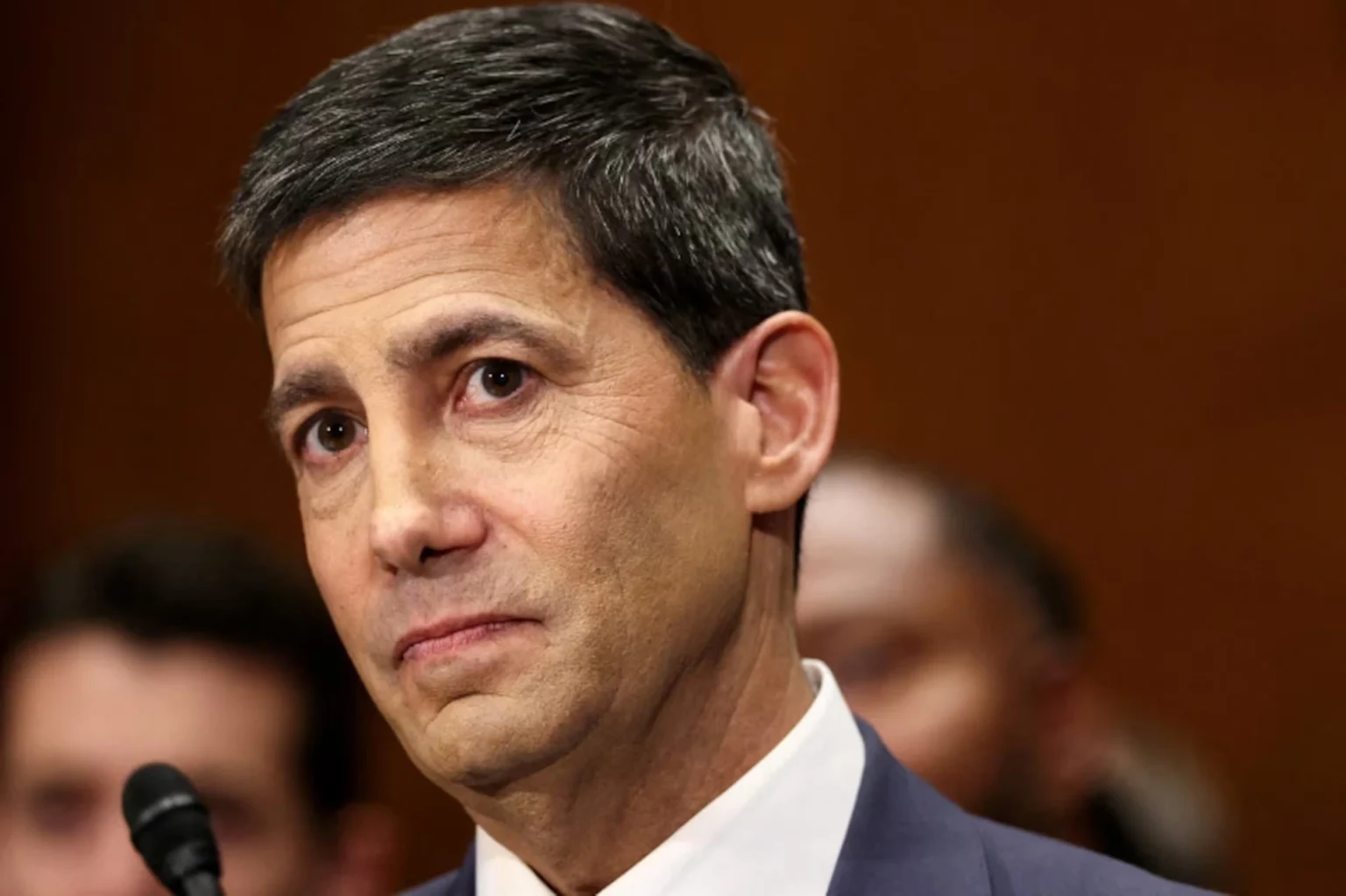
Kevin Warsh arrives at the Federal Reserve with a promise to shrink the central bank’s role in financial markets, yet the bond market is already testing how far that ambition can go. Long-term Treasury yields have climbed to levels not seen on a sustained basis since before the global financial crisis, and the view emerging from YourDailyAnalysis is that a growing tension is forming between Warsh’s vision of a leaner Fed and a fiscal system increasingly dependent on abundant liquidity.
The timing is unforgiving. Thirty-year Treasury yields have moved above 5.1%, inflation-linked securities are repricing higher, and traders now expect the new Fed to consider rate increases as early as January. What once looked like a technical debate over balance-sheet size is turning into a broader question about whether the United States can still finance large deficits without the implicit support of an activist central bank.
For more than fifteen years, markets operated under the assumption that the Fed would absorb stress whenever liquidity evaporated. Quantitative easing blurred the line between monetary policy and debt management, expanding the central bank’s holdings to nearly $9 trillion before they began to decline. Investors, banks and the Treasury adjusted to that regime, building strategies around the expectation that government debt would always enjoy a deep and unusually stable buyer. YourDailyAnalysis treats Warsh’s objective as an attempt to force genuine price discovery back into the Treasury market. The idea is intellectually coherent: if bond yields are meant to signal fiscal risk, they cannot do so cleanly while the central bank routinely suppresses volatility through emergency purchases and vast reserve creation.
The difficulty lies in what markets may reveal once that support fades. Federal deficits remain well above historical norms, interest costs consume a larger share of government spending, and research increasingly points to a decline in the special premium investors once accepted for holding U.S. debt. Treasuries still anchor the global financial system, but they no longer command unquestioned scarcity value. A central theme for YourDailyAnalysis is that Warsh’s challenge extends far beyond a narrow operational exercise. Reducing Fed holdings could push long-term borrowing costs higher, weaken housing and corporate investment, and place the Treasury in the uncomfortable position of issuing more debt into a market demanding greater compensation.
Some policymakers argue that abundant reserves are not a distortion but a practical necessity for modern banking. Others contend that an oversized balance sheet obscures risk and shields fiscal authorities from market discipline. The disagreement is less academic than it appears, because the chosen framework will determine whether future crises are met by automatic intervention or by a deliberate willingness to let yields rise.
Warsh may discover that the central bank’s footprint shrinks only when the government can stand on its own. Your Daily Analysis frames the coming debate as a test of whether monetary restraint is possible in an era when Treasury markets, deficits and financial stability have become too tightly intertwined to separate cleanly.