


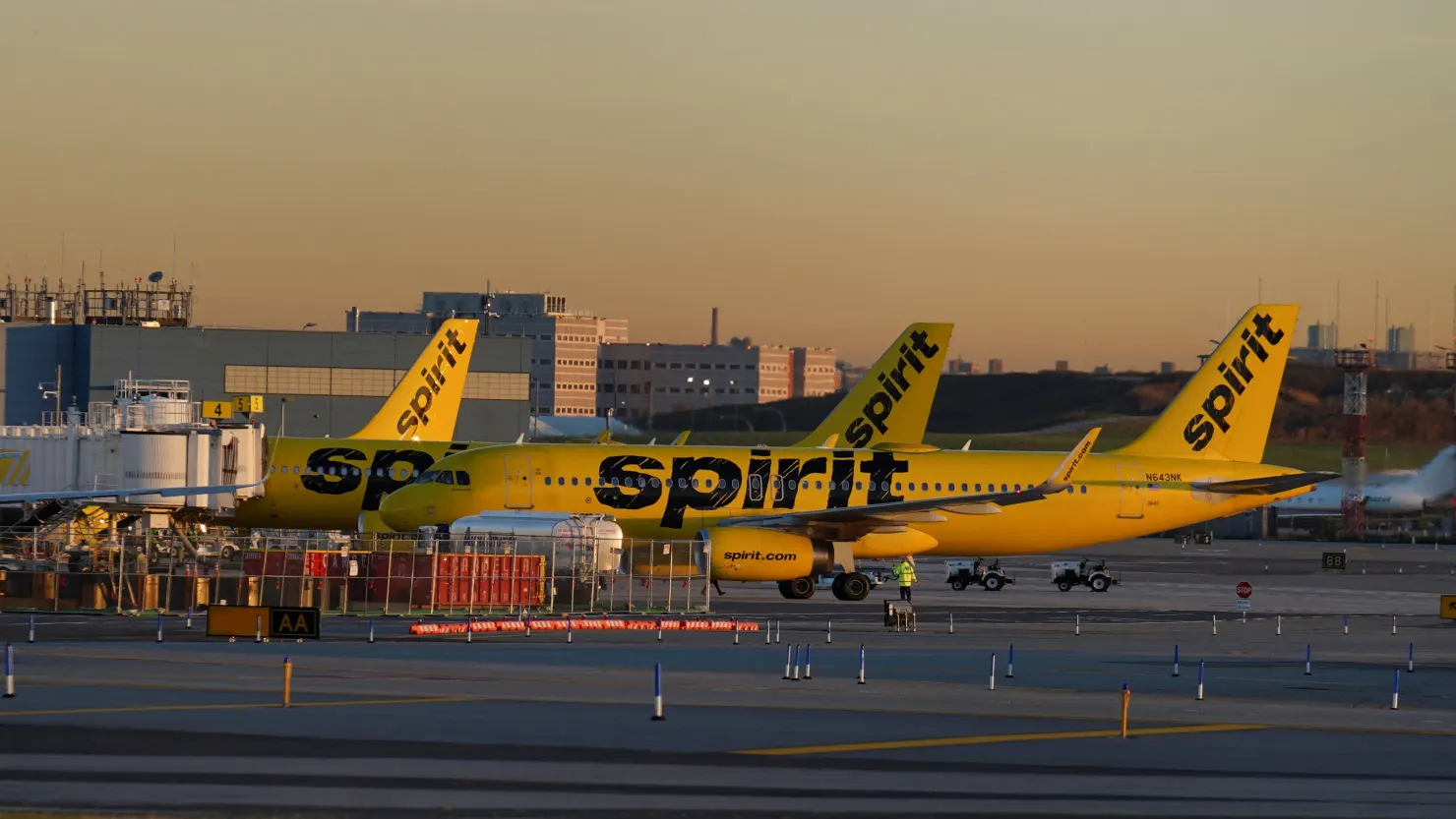
Mounting financial strain has pushed Spirit Airlines to the edge of potential liquidation, with internal discussions suggesting that the process could begin imminently, a scenario YourDailyAnalysis frames as the culmination of structural vulnerabilities rather than a sudden shock. The ultra-low-cost carrier, already weakened by repeated bankruptcy filings, now confronts a sharp rise in fuel costs – a critical pressure point in an industry where margins remain highly sensitive to energy volatility.
The airline’s position deteriorated despite attempts to stabilize operations following its earlier restructuring. Management pursued a strategy focused on scaling down capacity and concentrating on peak travel periods, while labor unions agreed to concessions aimed at preserving liquidity. These measures, however, unfolded against a backdrop of shifting market dynamics, where post-pandemic travel demand increasingly favored premium offerings over bare-bones pricing models.
A deeper examination reveals that Spirit’s business model faced erosion well before the latest crisis. YourDailyAnalysis draws attention to how rising labor expenses, combined with persistent fare compression in domestic markets, steadily undermined the economics of ultra-low-cost carriers. Unlike larger competitors, Spirit lacked diversified revenue streams such as premium cabins or robust loyalty programs, leaving it exposed to fluctuations in ticket pricing and ancillary revenue.
Operational disruptions further accelerated the decline. The grounding of a significant portion of its fleet due to engine issues reduced available capacity and disrupted scheduling reliability, compounding financial losses during a critical recovery phase. YourDailyAnalysis also underscores the strategic impact of the blocked merger with JetBlue, which removed a potential pathway to scale and balance sheet reinforcement at a time when consolidation across the sector increasingly defines competitive resilience.
The financial trajectory underscores the severity of the imbalance. Projections of profitability gave way to rapid losses within months, reflecting both cost escalation and weaker-than-expected demand capture. A second bankruptcy filing within a short period signaled that prior restructuring efforts failed to address core structural weaknesses, particularly the inability to adapt pricing and service offerings to evolving consumer preferences. If liquidation proceeds, the consequences will extend beyond a single carrier. The removal of a major ultra-low-cost operator would alter pricing dynamics across domestic routes, potentially reducing downward pressure on fares while reinforcing the dominance of legacy airlines. Capacity redistribution could also tighten supply in certain markets, particularly leisure-focused corridors where Spirit maintained a strong presence.
The unfolding situation highlights a broader recalibration within the aviation sector, where cost leadership alone no longer guarantees viability without complementary revenue strategies. Your Daily Analysis captures this moment as a decisive test for the ultra-low-cost model in its current form – not through abrupt disruption, but through cumulative pressures that have gradually stripped away its competitive edge.