


The ongoing conflict between the U.S., Israel, and Iran is no longer a contained geopolitical event – it is evolving into a broad macroeconomic shock. What initially appeared as a regional escalation is now influencing global inflation dynamics, monetary policy expectations, and financial market stability.
Energy prices provide the clearest signal. Gasoline in the U.S. has surged sharply within a short period, while Brent crude has approached the $100 per barrel range, reflecting a steep increase since the start of the year. The speed of this move is more important than the level itself. As reflected in YourDailyAnalysis, rapid price acceleration typically indicates that markets are pricing in a sustained disruption rather than a temporary imbalance.
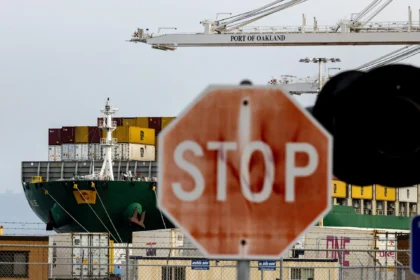
At the center of this shift is the disruption of flows through the Strait of Hormuz, a critical artery for global energy supply. Roughly one-fifth of global oil trade passes through this corridor, and its effective closure introduces a supply gap that cannot be fully offset by strategic reserves. YourDailyAnalysis emphasizes that this is not a financial shock that can be smoothed through liquidity – it is a physical constraint on supply. Even in a scenario where flows resume, normalization would not be immediate. Shipping routes, insurance conditions, and contractual flows require time to adjust. This explains why markets are embedding expectations of prolonged tightness rather than a quick reversal.
The impact extends beyond energy markets. Rising oil and gas prices feed directly into transportation, manufacturing, and food production costs, amplifying inflation across the broader economy. YourDailyAnalysis notes that energy shocks act as multipliers, transmitting pressure through multiple sectors simultaneously. This creates a difficult environment for central banks. The Federal Reserve faces a situation where inflation risks are increasing while growth prospects weaken. Lowering rates could intensify inflationary pressure, while maintaining restrictive policy could further slow economic activity. This dynamic aligns with a classic stagflation framework.
Bond markets have already begun to adjust. A decline in global bond valuations reflects rising yields and shifting expectations for future rate cuts. Movements in Japanese government bond yields are particularly relevant, as they influence global capital allocation and can indirectly affect U.S. borrowing costs. Higher yields are feeding into mortgage rates, tightening financial conditions for households. If long-term borrowing costs remain elevated, housing market activity is likely to weaken, reinforcing the broader slowdown in economic momentum.
In parallel, early signs of demand-side adjustment are emerging in parts of Asia, where energy-saving measures and operational changes are being introduced. This indicates that the shock is not only financial but also physical, affecting real consumption and production patterns. Political messaging around a potential resolution has so far had limited impact on market behavior. Pricing continues to reflect actual supply constraints rather than forward-looking optimism. YourDailyAnalysis suggests that until physical flows stabilize, expectations of rapid normalization will remain fragile.
Taken together, a clear transmission chain is forming: supply disruption leads to higher energy prices, which drives inflation, constrains monetary policy, and tightens financial conditions across markets. The baseline outlook remains cautious. Even in the event of de-escalation, the effects are likely to persist across multiple timeframes. Energy markets may adjust first, followed by financial markets, while the real economy typically responds with a lag.
From a strategic perspective, attention should focus on the status of key transport routes, the trajectory of energy prices, shifts in rate expectations, and movements in bond markets. As Your Daily Analysis emphasizes, the interaction between these variables will determine whether the current shock stabilizes or evolves into a broader global slowdown.