


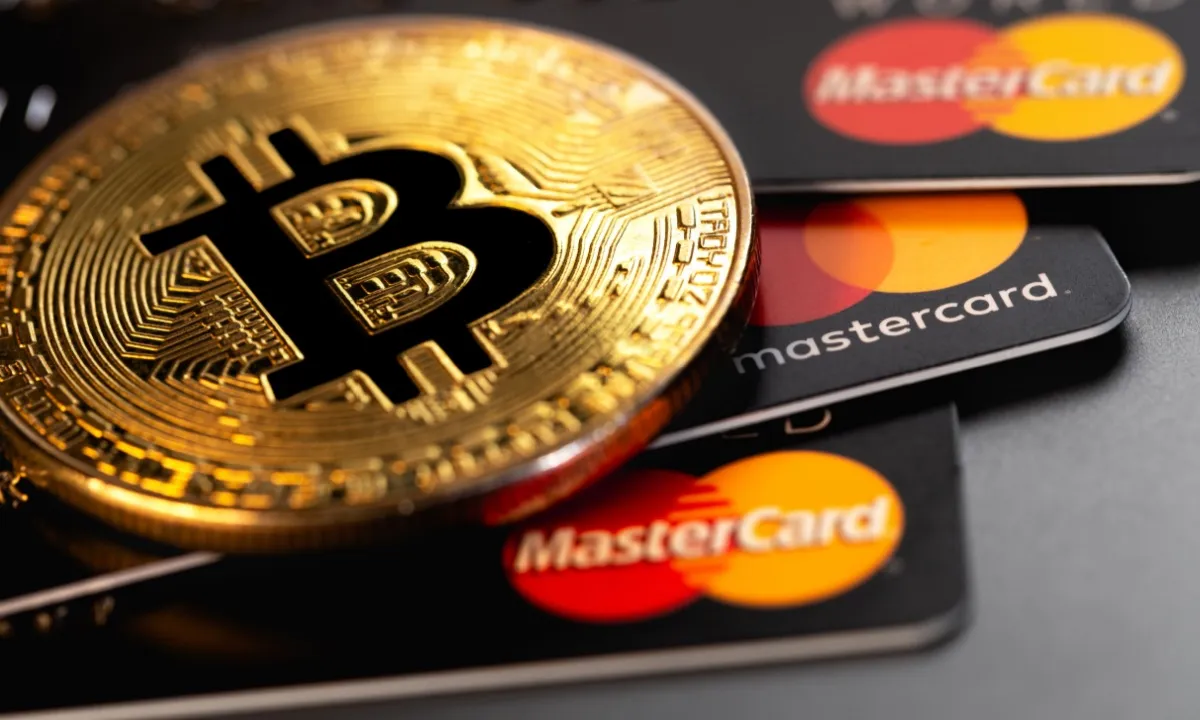
Mastercard’s agreement to acquire stablecoin infrastructure firm BVNK for up to $1.8 billion signals a decisive shift in how major payment networks are positioning for the next phase of global money movement. The deal is less about entering crypto and more about securing a role in the emerging financial rails that could redefine cross-border payments, settlement speed, and cost efficiency.
The valuation itself highlights what Mastercard is really buying – not just technology, but time. BVNK has spent years building regulatory licenses and operational connections across jurisdictions, something that would be difficult and slow to replicate internally. From the perspective of YourDailyAnalysis, this is a classic time-to-market acquisition: in infrastructure markets, speed and compliance are often more valuable than building from scratch.
The timing of the deal is equally important. Stablecoins are no longer viewed as niche trading instruments but are increasingly used for real-world payments, treasury operations, and international transfers. Mastercard has already been developing end-to-end capabilities in digital asset payments, and BVNK fits directly into that broader strategy. This acquisition reflects execution rather than experimentation – a continuation of a direction already chosen.
BVNK’s core value lies in its ability to bridge fiat and blockchain systems at scale. This is a critical layer for any institution attempting to integrate digital assets into traditional finance. Rather than replacing existing card networks, this infrastructure allows Mastercard to expand its payment rails into faster and more flexible formats. YourDailyAnalysis notes that the real opportunity is not disruption of cards, but expansion of use cases – particularly in cross-border payments and business transactions.
Another key factor is licensing. BVNK’s regulatory footprint significantly increases its strategic value, as access to compliant payment corridors is one of the biggest barriers in scaling stablecoin-based systems. From an analytical standpoint, YourDailyAnalysis considers this one of the most valuable components of the deal – effectively granting Mastercard immediate access to markets that would otherwise require years of negotiation and approval.
The competitive dimension should not be underestimated. As Visa and other financial players deepen their involvement in blockchain-based payments, control over infrastructure becomes a defining advantage. YourDailyAnalysis interprets this move as both offensive and defensive: Mastercard is not only expanding capabilities but also preventing competitors from acquiring a strategically important asset.
The broader ecosystem context further strengthens the logic of the acquisition. Mastercard has already built multiple layers around digital assets, including identity, compliance, and partner integrations. BVNK is likely to act as an execution layer within this architecture, enabling real transaction flows rather than isolated pilot programs. According to analysts, this increases the probability that the acquisition will translate into scalable commercial products.
Market dynamics also support the move. Stablecoins are increasingly seen as a foundational component of financial infrastructure rather than a speculative tool. Transaction volumes and institutional adoption have been growing steadily, shifting the narrative toward efficiency and utility. YourDailyAnalysis highlights that this structural shift is what makes acquisitions like BVNK strategically urgent rather than optional.
From a use-case perspective, cross-border payments remain the most immediate opportunity. This segment has historically been slow and expensive, making it particularly vulnerable to disruption by blockchain-based alternatives. Your Daily Analysis suggests that if Mastercard successfully integrates BVNK into its network, the company could significantly improve speed and cost efficiency for corporate clients, potentially strengthening its competitive position in global payments.
The overall conclusion is that Mastercard is making a calculated bet on the future of financial infrastructure rather than chasing short-term trends. The upside lies in faster execution, regulatory access, and expanded market reach. The risks center around integration complexity, uneven global regulation, and the pace of real-world adoption. Even so, YourDailyAnalysis views the acquisition as a strategic option on the future – one that positions Mastercard to remain central in the evolving architecture of global finance.