
Tesla executives have been told to prepare for a separation of its China business ahead of a potential merger with SpaceX, according to a report citing a person familiar with the talks; advisers have discussed possible options including a spin off, sale or closure, though it remains unclear how quickly Tesla could move and the plans could still change. YourDailyAnalysis pinpoints the phrase “could still change” as the detail that should anchor how much weight to put on this report: this describes preparatory planning around a merger that hasn’t been confirmed, not a finalized restructuring decision, even though the underlying rationale for separating the businesses is described in specific, credible detail.
The stated rationale for why China specifically requires special handling ahead of any merger is concrete and tied to SpaceX’s distinct regulatory profile. A merger between Elon Musk’s Tesla and SpaceX would raise geopolitical and regulatory hurdles, particularly in China, because SpaceX is a major U.S. defense contractor involved in national security and satellite programs, while Tesla operates wholly owned manufacturing facilities in China rather than the joint-venture structure many foreign automakers use. YourDailyAnalysis underscores that wholly owned structure as the detail explaining why separation, not just careful management, is reportedly under consideration: a joint-venture structure would already provide some legal separation from Tesla’s US parent, but full ownership means Tesla’s China operations sit fully exposed to whatever national-security scrutiny a SpaceX merger would invite.
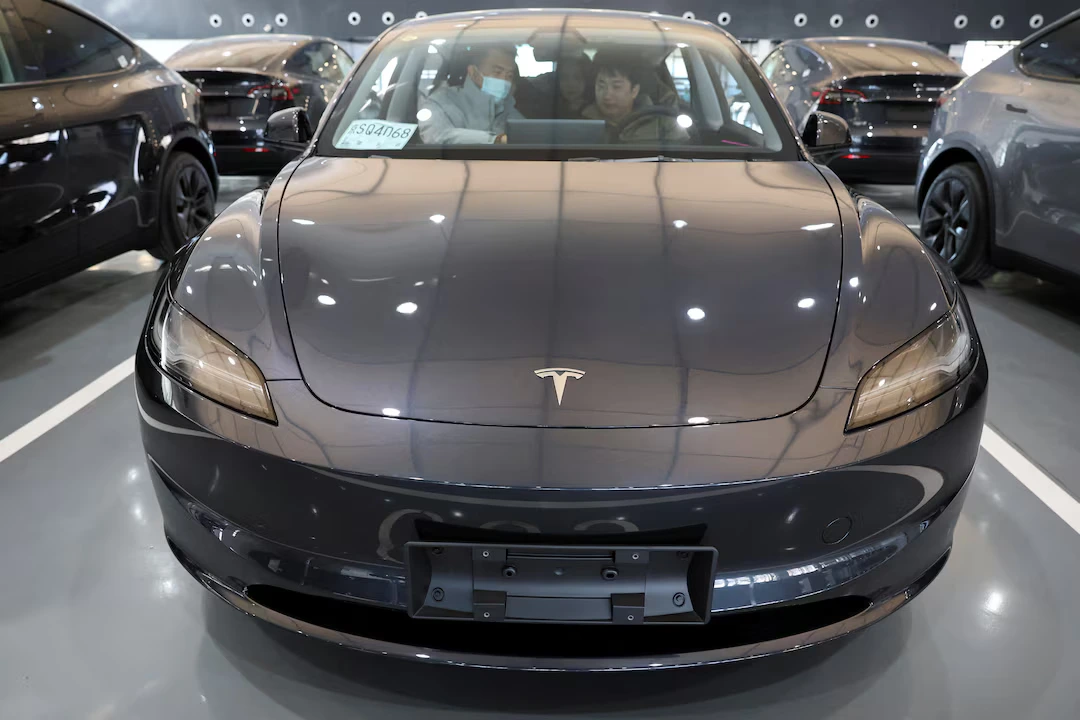
The financial and operational scale of what would be separated is substantial, which is what makes this reportedly under serious internal discussion rather than a minor structural tweak. Tesla’s Gigafactory Shanghai remains its largest and most productive plant globally, historically accounting for more than half of Tesla’s global deliveries with an annual production capacity of more than 950,000 vehicles, and China is Tesla’s second-largest market globally after the United States even as it faces intense pressure from local players such as BYD. YourDailyAnalysis registers that “more than half of global deliveries” figure as the number that makes any China separation a genuinely consequential corporate event rather than a peripheral divestiture: carving out a facility responsible for the majority of Tesla’s vehicle output would materially reshape what remains of the parent company’s manufacturing base.
The valuation backdrop against which this reported planning is unfolding adds a specific financial dimension worth stating plainly. SpaceX went public last month after a record $75 billion initial public offering and was valued at $1.48 trillion as of Thursday’s close, compared with Tesla’s $1.22 trillion market capitalization, meaning the company reportedly being merged into is already larger by market value than Tesla itself. A SpaceX president has separately acknowledged potential benefits of combining the companies, saying doing so “might make Elon’s life a little easier” by streamlining management, while at least one Wall Street bank has flagged the “practical bottleneck” of securing regulatory approvals for both companies given the national-security concerns specific to SpaceX’s government ties.
The operational depth of Tesla’s China supply chain, disclosed separately, illustrates exactly what a separation would need to preserve or replicate if it proceeds. Through its China entity, Tesla achieved its lowest manufacturing costs for the Model 3 and Model Y with the help of more than 400 domestic suppliers, more than 60 of which also supply Tesla globally, and the company sources more than 95% of the components in its China-made vehicles locally, with deliveries and exports from the Shanghai factory both posting double-digit percentage growth in the most recent quarter. Your Daily Analysis sees that more-than-60-supplier overlap with Tesla’s global operations as the practical complication any clean separation would have to solve: unwinding Gigafactory Shanghai from the rest of Tesla isn’t simply a matter of legal restructuring, since dozens of the same component suppliers currently serve both the China operation and Tesla’s factories elsewhere.
Watch for any formal confirmation from Tesla of separation planning, since the current account rests on a single source describing internal preparations rather than a company statement, and watch whether Musk offers further public comment on merger timing beyond his earlier refusal to rule out the possibility. The regulatory-approval bottleneck flagged by outside analysts is the more durable obstacle to track regardless of how the separation planning proceeds, since national-security review of SpaceX’s China exposure would apply whether Tesla’s China unit is separated cleanly or remains fully integrated at the time any merger is formally proposed.