


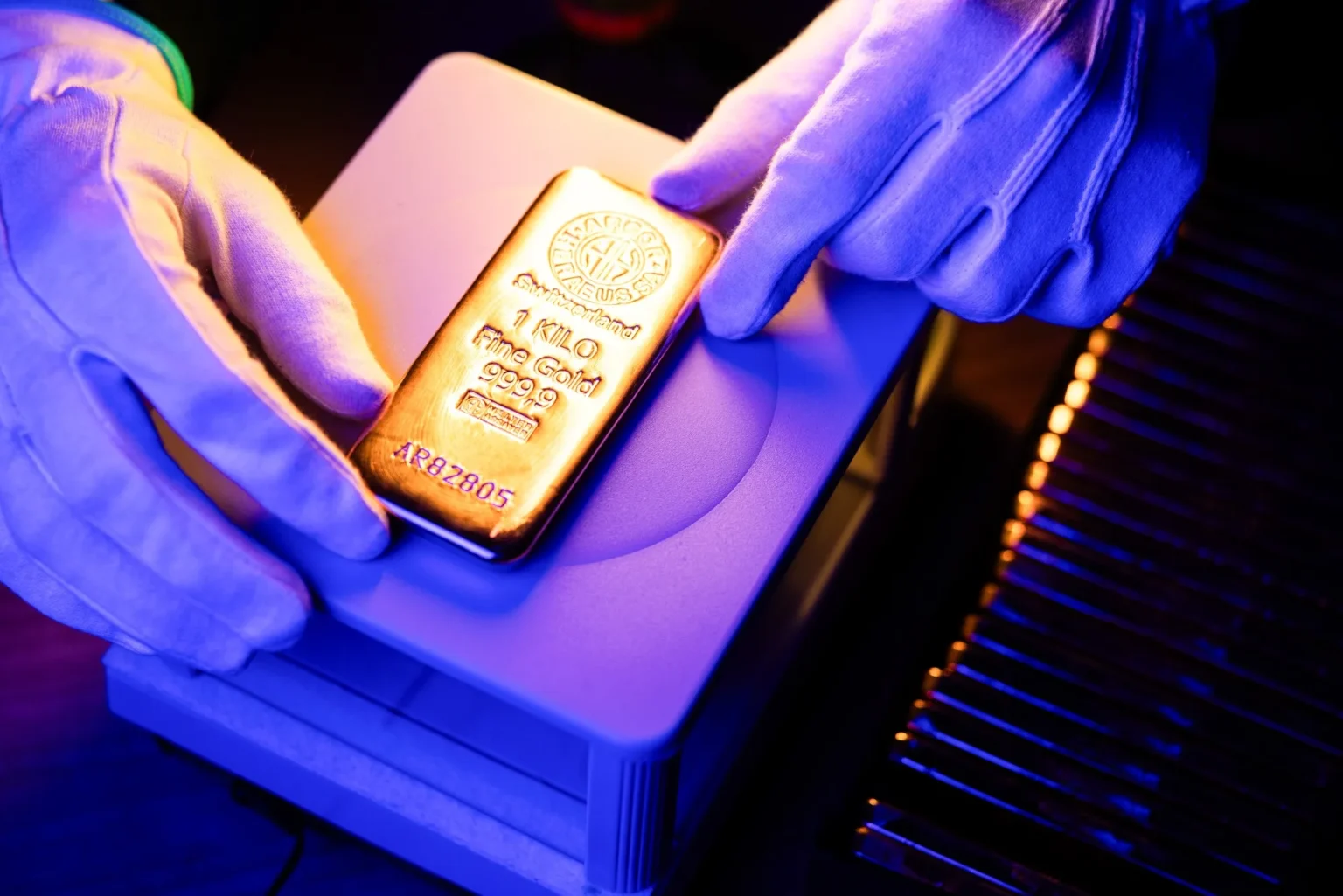
Gold is showing an unusual reaction to geopolitical stress, declining despite ongoing conflict in the Middle East. Instead of acting as a traditional safe haven, the metal is under pressure as rising energy prices reshape inflation expectations and delay potential monetary easing. YourDailyAnalysis notes that gold has fallen for seven consecutive sessions, marking its longest losing streak since 2023, while silver has dropped even more sharply. This reflects not a disappearance of risk, but a shift in defensive positioning. Investors are moving toward assets that combine safety with yield, leaving non-yielding metals at a disadvantage.
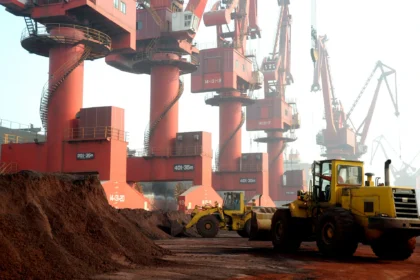
The key driver remains oil. Elevated energy prices are reinforcing inflation risks and reducing the likelihood of near-term rate cuts by the Federal Reserve. As YourDailyAnalysis highlights, this dynamic increases the opportunity cost of holding gold and puts structural pressure on prices.
At the same time, rate expectations have adjusted meaningfully. Markets now anticipate a longer period of restrictive policy, which has become the dominant macro force behind the recent decline. In this environment, geopolitical support for gold is being outweighed by monetary constraints. YourDailyAnalysis also points to the growing role of the dollar and short-term yields. Investors are favoring liquidity and income-generating assets, which has weakened gold’s position as an immediate hedge. Its role is shifting toward longer-term protection rather than short-term crisis response.
Positioning factors are amplifying the move. Some investors have reduced exposure to precious metals to raise cash or reallocate toward energy-linked assets. This has contributed to the decline in both metals and mining equities. Flows confirm the trend. Your Daily Analysis reports continued outflows from gold-backed ETFs, while physical demand remains relatively stable. However, paper market dynamics are currently dominating price formation, keeping downward pressure in place.
Despite the recent sell-off, gold remains positive year-to-date, suggesting that the broader trend has not fully reversed. The current move appears more like a recalibration after earlier gains than the start of a sustained downturn. YourDailyAnalysis suggests that future price direction will depend on the interaction between oil, rates, and the dollar. Stabilization in energy markets could ease inflation concerns and support gold, while prolonged disruption would likely extend the current pressure.
For now, the key signals remain clear: energy prices, short-term yields, dollar strength, and ETF flows will determine whether gold stabilizes or continues to decline.