



The U.S. housing market is entering the crucial spring season after a prolonged slowdown driven by high mortgage rates and weakened demand. While few analysts expect a rapid rebound in activity, recent behavior among sellers suggests cautious optimism is returning. As noted in YourDailyAnalysis, the market appears to be transitioning from a period of paralysis toward a more balanced environment.
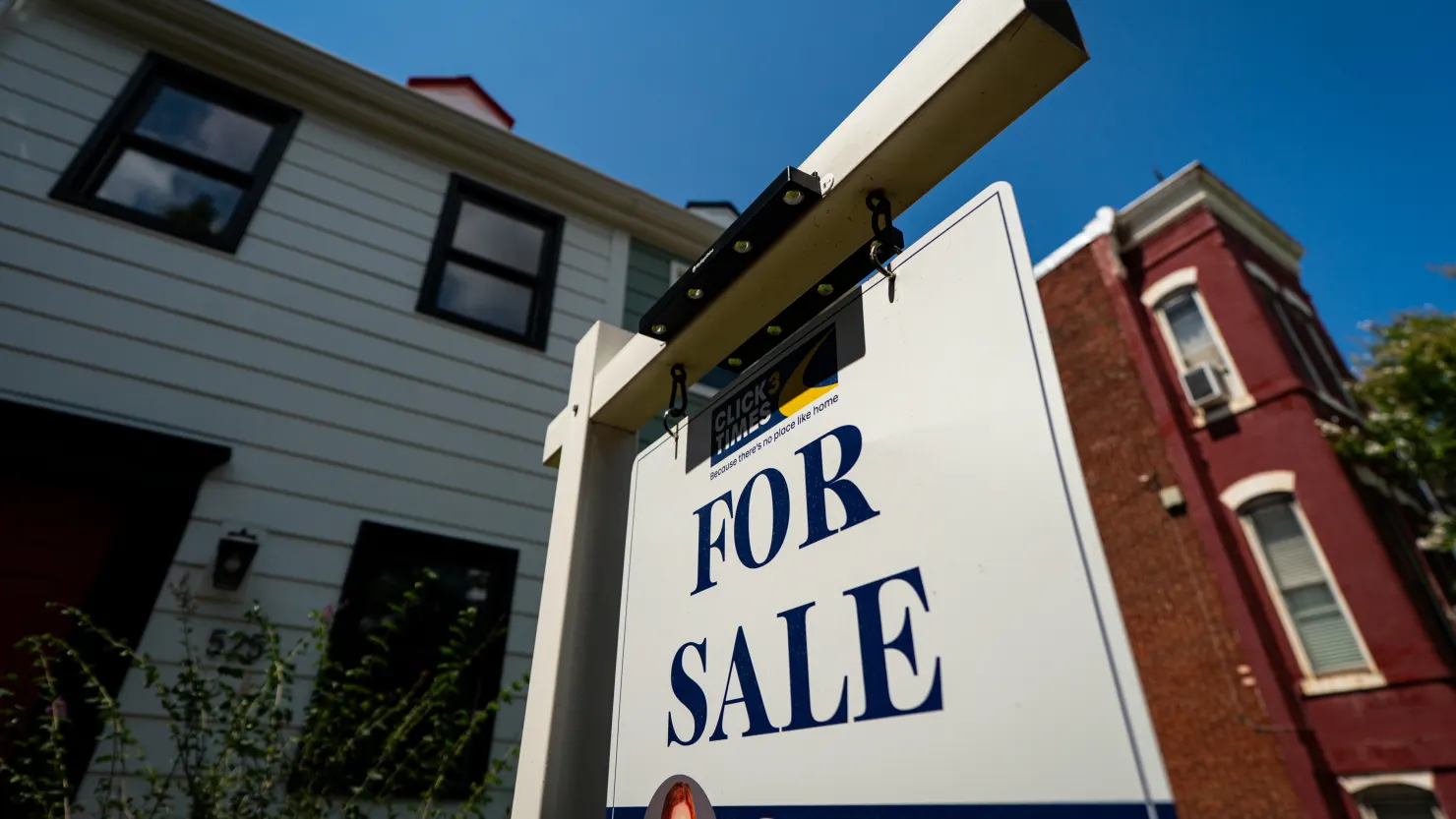
A key indicator of this shift is the growing number of homes returning to the market after being withdrawn last year. Nearly 45,000 previously delisted properties were relisted in January, the highest January figure in the past decade. These homes represented roughly 3.6% of all active listings, suggesting that many sellers who paused their plans during last year’s uncertainty are now willing to test market conditions again.
Last autumn illustrated how dramatically sentiment had weakened. Approximately 85,000 sellers removed their homes from the market in September, reflecting frustration with declining buyer interest. Elevated mortgage rates and economic uncertainty reduced purchasing power, forcing many sellers to reconsider whether to accept lower offers or postpone their sales.
Agents across several regions reported that negotiations increasingly required concessions from sellers, including price reductions and repair credits. Rather than compromise, many homeowners chose to delay their listings and wait for a potentially stronger spring market. According to the editorial view of Your Daily Analysis, this behavior highlights a broader psychological adjustment as sellers gradually accept that the pandemic-era seller’s market has faded.
Housing supply has improved compared with the extreme shortages of recent years, though the pace of expansion is slowing. Active listings increased about 7.9% year over year, but the rate of growth has moderated in recent months, indicating that inventory is stabilizing rather than accelerating.
Regional differences remain significant. Supply growth has been strongest in the southern and western United States, where construction activity has been more robust. Meanwhile, northeastern and midwestern markets continue to face persistent housing shortages, which limits inventory growth and keeps prices relatively firm in those areas.
Mortgage rates remain the dominant force shaping housing demand. Borrowing costs have recently moved closer to their lowest levels in several years, creating a potential opening for buyers who were previously priced out of the market. In the assessment of YourDailyAnalysis, even small changes in financing conditions can significantly influence purchasing activity.
Despite the tentative improvement, macroeconomic risks remain. Rising energy prices and renewed inflation concerns could limit the ability of policymakers to reduce interest rates further. Any upward move in mortgage rates could quickly weaken buyer demand, particularly in markets where affordability remains strained.
Looking ahead, the direction of the spring housing season will depend on whether buyers return alongside sellers. YourDailyAnalysis concludes that the market is unlikely to revisit the extreme conditions of the pandemic boom, but the steady return of listings suggests the housing sector may be gradually moving toward a more sustainable equilibrium.