


California’s fast-food experiment was never meant to be quiet. When Governor Gavin Newsom pushed through the $20-per-hour industry minimum wage, he promised a rebalancing of the state’s most visible low-income sector. Critics warned of shuttered restaurants and spiraling costs. Supporters spoke of dignity and stability. Months later, the picture is far more layered than either side predicted. As we at YourDailyAnalysis note, this policy became a national test case long before its first paychecks were printed.
For workers, the transformation was immediate. Turnover – a chronic illness of the fast-food business – fell sharply as wages rose. “You cannot underestimate how much retention improves when a job stops being a last resort,” we argue at YourDailyAnalysis, pointing to data showing a notable drop in churn after April 2024. Employees who once cycled through jobs every few months stayed long enough to benefit from training, steadier hours, and modest career progression.
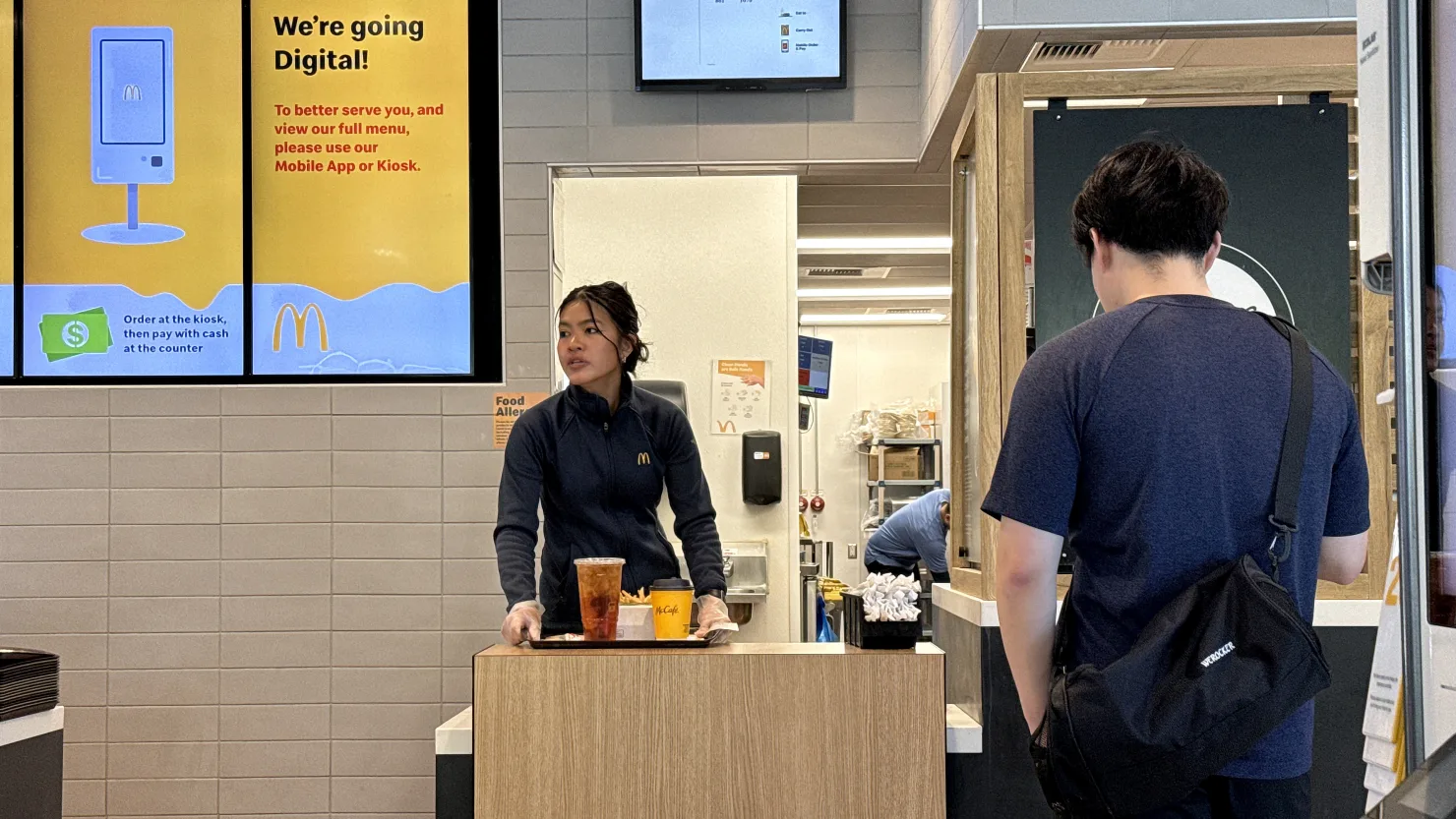
Yet the financial strain on operators is equally real. Franchisees report that labor now consumes a larger share of total costs, landing on top of already expensive insurance, rising commodity prices and a consumer base trading down in response to inflation. Owners of McDonald’s, Taco Bell and other large chains explain that menu prices rose – typically around 10% – but not enough to offset the full weight of the new wage floor. Some locations cut hours; others leaned into automation, from AI-based drive-through ordering to automated dough mixers. A handful of restaurants closed permanently, though statewide data shows overall growth in fast-food locations continued at a pace faster than the national average.
The contradiction is striking: restaurants under pressure, yet the sector expanding. According to research from Berkeley and other institutions, job losses – if they occurred at all – were smaller than critics feared. Employment growth slowed, but wasn’t erased. The policy did not trigger the immediate collapse predicted by opponents, nor did it usher in a frictionless new era for workers. As we emphasize at YourDailyAnalysis, “California’s wage experiment defied both the doomsday narrative and the utopian one. Reality settled somewhere in the middle.”
Consumer impact remains a pivotal question. Higher menu prices have made fast food less affordable for lower-income customers – the very group most likely to rely on it. Some workers gained meaningful raises while simultaneously struggling to afford the products they serve. But the long-term structural consequences point to something deeper: a labor market recalibrating around retention, training quality, and the true cost of running high-volume, low-margin businesses in America’s most expensive state.
In our view at Your Daily Analysis, the early outcomes suggest that the wage floor is sustainable, but not painless. Operators will continue trimming inefficiencies, accelerating automation and reconsidering the economics of marginal locations. Workers will benefit from higher income and greater stability, though hours may fluctuate. For policymakers in other states, California’s experience offers a blueprint – and a warning. Raising wages can reduce churn and improve livelihoods, but only when paired with realistic expectations about pricing, productivity, and the fragile margins of the industry.