



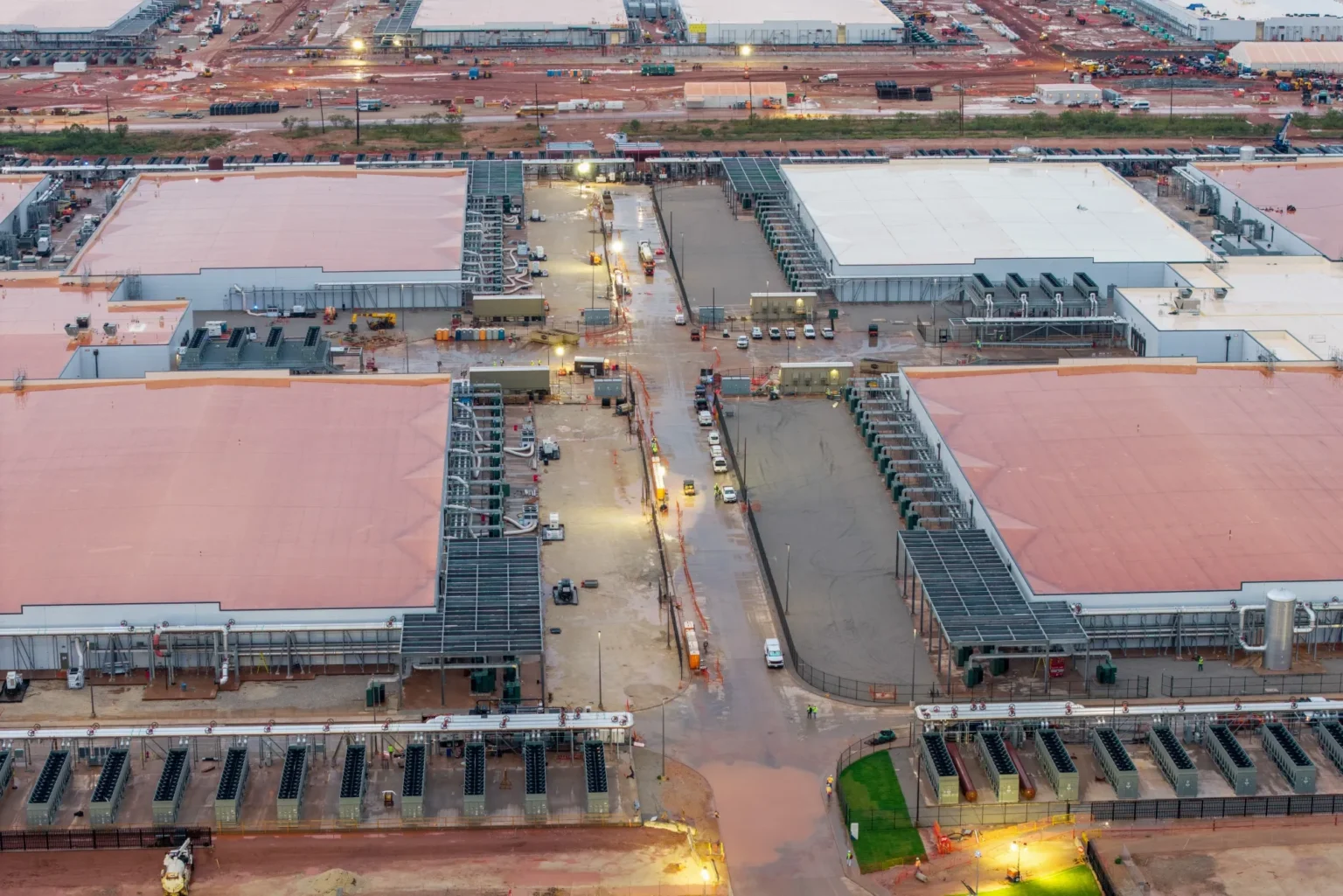
Electricity prices in the United States are rapidly becoming a political flashpoint as policymakers scramble to contain rising energy costs ahead of congressional elections. A combination of accelerating demand from artificial intelligence data centers, aging power infrastructure, and rising financing costs for new energy projects has pushed electricity bills significantly higher in recent years. In response, Washington and several state governments are exploring a mix of financial support, regulatory intervention, and industry commitments designed to slow the pace of price increases. As YourDailyAnalysis notes, the growing intersection between energy policy, technology expansion, and consumer affordability is reshaping how governments approach electricity markets.
One of the most significant recent policy steps involves a massive federal loan aimed at supporting new power generation and grid infrastructure in the southeastern United States. By lowering the financing costs associated with building new power plants, policymakers hope to reduce the pressure on utilities to pass rising capital expenditures directly to consumers. However, from the perspective of YourDailyAnalysis, financial support alone cannot resolve the structural imbalance between rapidly increasing electricity demand and the slower pace of grid expansion.
A central driver of the new demand surge is the explosive growth of artificial intelligence infrastructure. Modern data centers used to train and operate advanced AI systems require enormous amounts of electricity, often comparable to the consumption of a mid-sized city. In response to mounting public criticism, several large technology companies have agreed to sign a consumer protection pledge committing them to finance new energy capacity and infrastructure for their data centers. According to our analysts, the effectiveness of such pledges will depend heavily on whether they translate into binding financial agreements with utilities and regulators rather than remaining voluntary commitments.
The rapid expansion of AI-related electricity demand is also exposing weaknesses in the traditional business model of electric utilities. For more than a century, utilities have typically distributed the costs of grid expansion across their entire customer base. This approach worked when new industrial customers represented incremental demand. However, when a single data center requires billions of dollars in new infrastructure, spreading those costs across households becomes politically controversial. YourDailyAnalysis highlights that the growing scale of energy consumption by technology companies is forcing regulators to reconsider how electricity costs are allocated.
Several states are already experimenting with different solutions. Some are exploring special electricity tariffs that require large data centers to pay a greater share of infrastructure costs, while others are considering contracts that obligate technology firms to cover expected electricity demand even if usage falls below projections. These “take-or-pay” arrangements are intended to protect ordinary consumers from subsidizing large corporate energy needs.
Despite these efforts, containing electricity prices will remain a complex challenge. Retail electricity costs in the United States have risen sharply since 2020, reflecting both increased infrastructure investment and rising fuel costs. Temporary measures such as price caps or rate freezes may offer short-term political relief, but they risk discouraging long-term investment in new energy capacity. Sustainable solutions will require a combination of faster grid development, clearer cost-allocation rules, and expanded investment in reliable power generation.
Looking ahead, the debate surrounding electricity affordability is likely to intensify as AI infrastructure continues to expand. Data center developers are investing tens of billions of dollars in new projects across the United States, and many of these facilities will require significant upgrades to local power grids. Your Daily Analysis expects policymakers to increasingly demand that technology companies contribute directly to the cost of building the infrastructure required to support their operations.
Ultimately, the conflict between rising electricity demand and political pressure to keep energy affordable reflects a broader transformation of the energy system. The rapid growth of digital infrastructure is colliding with regulatory frameworks designed for a different era of electricity consumption. In the view of YourDailyAnalysis, the outcome of this debate will shape not only consumer electricity bills but also the long-term balance between technological innovation, energy policy, and economic competitiveness in the United States.