


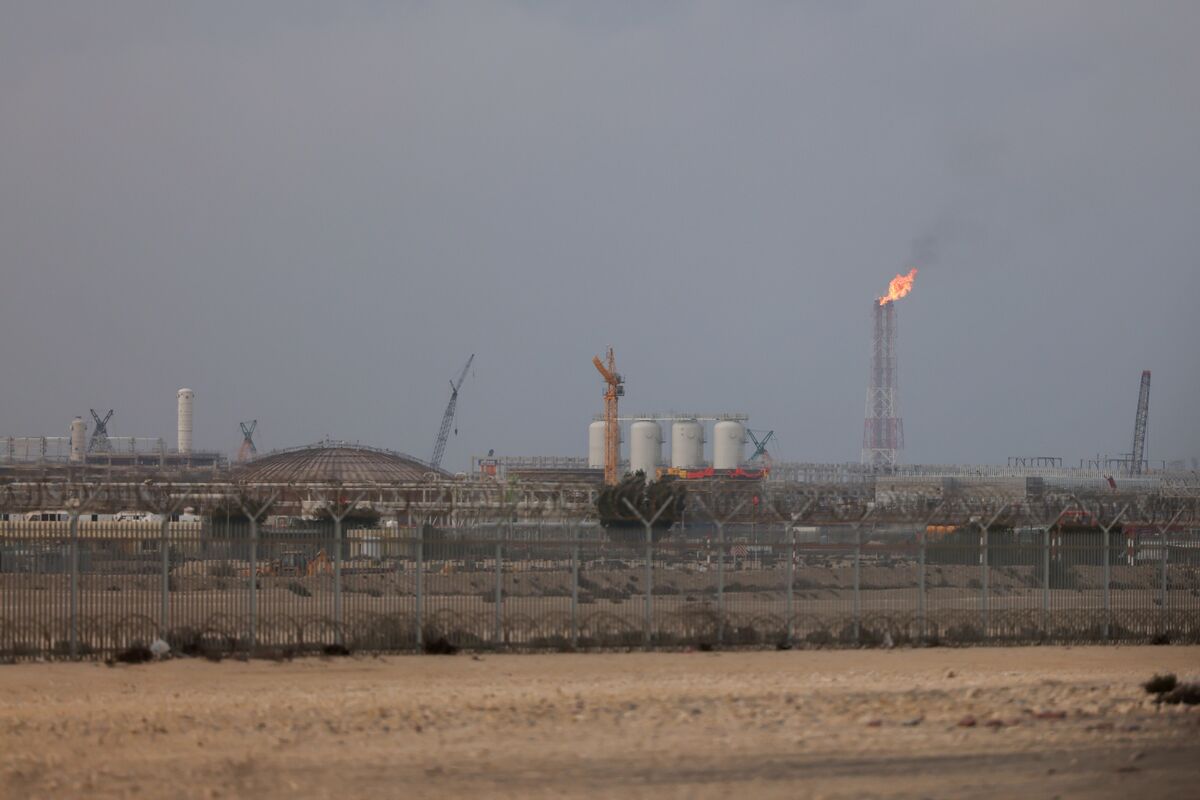
Europe is entering a new phase of the energy crisis, where the focus is shifting from short-term volatility to the risk of prolonged structural disruption. Recent attacks on critical gas infrastructure in the Gulf have forced policymakers to reconsider earlier assumptions that the conflict would primarily affect prices rather than supply security. The damage to Qatar’s Ras Laffan complex marks a pivotal moment. As the largest LNG export hub globally, any sustained loss of capacity has immediate consequences for global gas flows. Even partial disruption alters the balance of supply, tightening availability across regions. YourDailyAnalysis views this as a transition from a temporary risk premium to a structural constraint in the LNG market.
The global nature of LNG trade amplifies the impact. Europe does not need to be the direct recipient of lost Qatari cargoes to feel the effect. Reduced flows to Asia increase competition for alternative supply, pushing prices higher across all importing regions. This interconnected dynamic highlights the limits of regional insulation in a globally traded energy system.
The market response reflects this shift. Gas prices have reacted more aggressively than other energy assets, signaling that traders perceive deeper and more persistent constraints. Unlike oil, LNG infrastructure cannot be easily rerouted or substituted, making disruptions to production capacity particularly significant. YourDailyAnalysis indicates that the macroeconomic implications are becoming increasingly severe. Rising energy costs feed directly into inflation while simultaneously weakening industrial activity. This combination raises the risk of stagflation, especially in Europe, where energy remains a key input across multiple sectors.
Policy responses are constrained. Governments are considering temporary measures such as tax reductions, subsidies, and adjustments to emissions trading rules. However, each option carries trade-offs, including fiscal pressure, reduced incentives for energy transition, or distortion of market signals. This limits the effectiveness of short-term interventions.
The shock is also unevenly distributed. Countries with higher dependence on gas face stronger inflationary pressure and greater industrial strain, while those with more diversified energy systems are relatively less exposed. This divergence underscores structural differences within the European energy landscape. YourDailyAnalysis also highlights the issue of timing. Even if geopolitical tensions ease, the physical and logistical consequences of infrastructure damage will persist. Repair timelines, contract disruptions, and higher risk premiums in shipping and insurance are likely to extend the impact beyond the immediate conflict.
Market behavior suggests that investors are already adjusting to a longer-term shift. Capital is moving toward alternative LNG suppliers and energy assets that benefit from constrained supply. This indicates that the current situation is being priced as a structural change rather than a temporary disruption.
The broader implication is a reassessment of Europe’s energy resilience. Despite efforts to diversify supply, the region remains sensitive to external shocks in global energy markets. This vulnerability becomes more visible during periods of geopolitical stress. Your Daily Analysis suggests that the outlook will depend on several critical variables: the extent of damage to key LNG facilities, the intensity of global competition for available cargoes, and Europe’s ability to secure alternative supply or reduce demand.
In the near term, elevated prices and high volatility are likely to persist. The situation represents not just a cyclical fluctuation, but a potential reconfiguration of global energy flows with lasting economic consequences.