

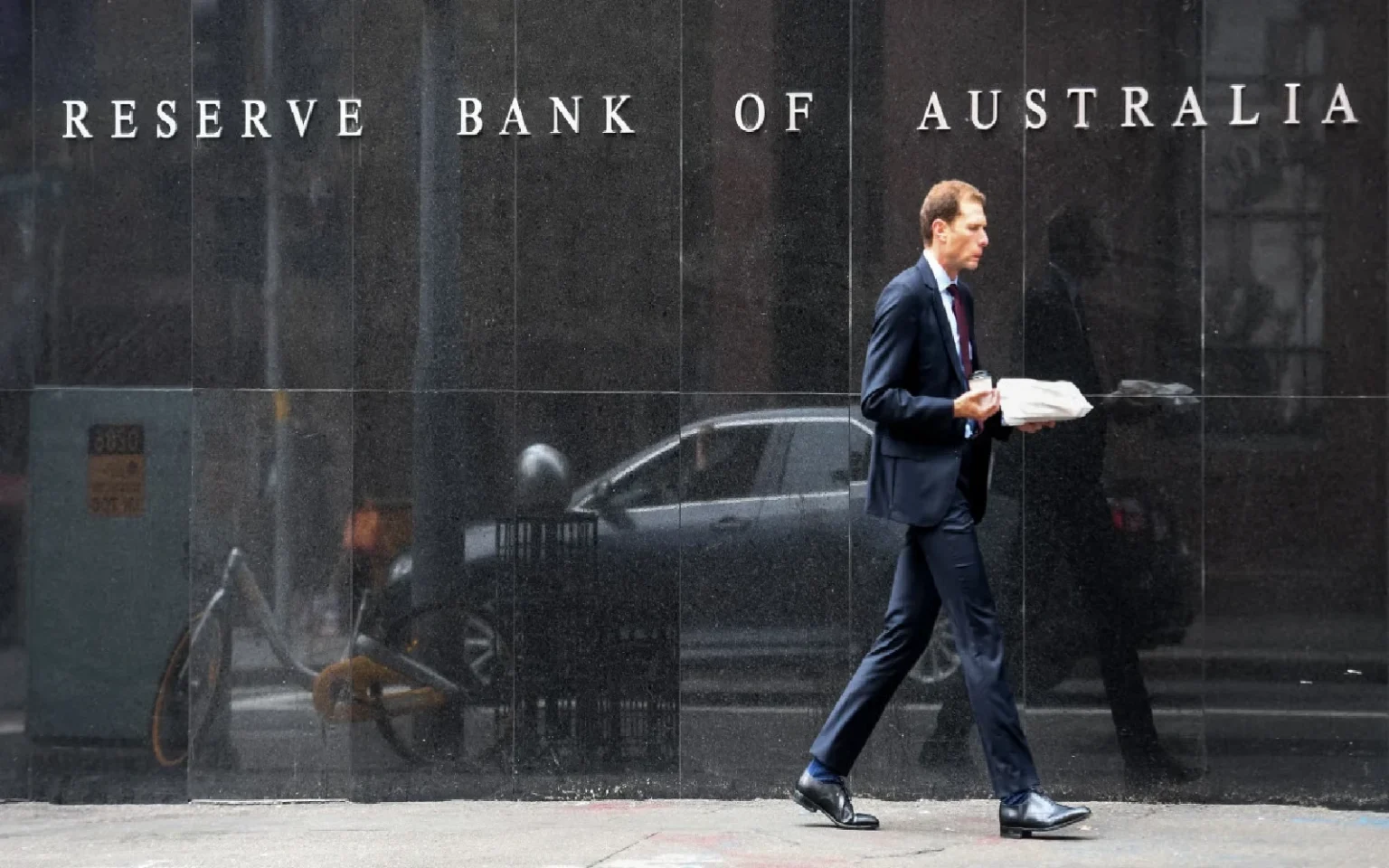
The Reserve Bank of Australia’s latest rate decision highlights how complex monetary policy has become in the current global environment. Inflation pressures no longer stem solely from domestic demand, but increasingly reflect external shocks, particularly rising energy prices linked to geopolitical tensions. In this setting, central banks are no longer choosing between growth and inflation in isolation – they are managing both simultaneously under heightened uncertainty.
The March rate hike of 25 basis points, bringing the cash rate to 4.1%, came with an unusually narrow 5–4 vote split. This signals a lack of internal consensus and suggests that the policy path ahead is far from predetermined. As YourDailyAnalysis notes, such divisions typically mark a transition from a structured tightening cycle to a more reactive, data-dependent approach, where each decision carries greater weight for market expectations.
A key takeaway from the meeting is that policymakers still do not consider current policy sufficiently restrictive. This reflects concern that inflation risks remain elevated, particularly in the context of rising global energy costs. However, this stance introduces a critical tension. While higher rates may help contain inflation expectations, they also increase pressure on already weakening household consumption. In this context, YourDailyAnalysis highlights that monetary policy may already be approaching the point where it risks constraining growth more than stabilizing prices.
The central bank explicitly acknowledged that a prolonged Middle East conflict could simultaneously push inflation higher and weaken economic activity. This creates a classic stagflation risk – a scenario where traditional policy responses become less effective. Tightening policy may address inflation, but it can also accelerate a slowdown in demand. This dual pressure significantly complicates the decision-making process.
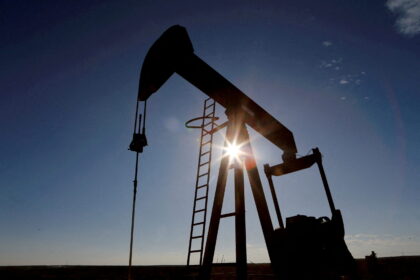
Energy prices play a central role in this dynamic. The RBA estimates that if oil remains around $100 per barrel, inflation could rise to approximately 5% in the second quarter, up from 3.7% in February. This increase would not be limited to fuel costs, but would extend across transport, logistics, and broader consumer prices. As emphasized by YourDailyAnalysis, such external cost pressures can rapidly shift inflation trajectories, even if domestic conditions remain relatively stable.
At the same time, dissenting voices within the board raised concerns about weakening household demand and uncertainty in the labor market. These arguments reflect a growing awareness that domestic economic conditions may not support further aggressive tightening. The split vote therefore represents more than a disagreement on timing – it reflects differing assessments of which risk is more immediate: inflation persistence or economic slowdown.
Market expectations currently lean toward further tightening, with investors pricing in additional rate increases over the coming months. However, this outlook assumes that inflation remains the dominant concern. If economic data begins to show clearer signs of weakening demand, these expectations may need to adjust quickly. As YourDailyAnalysis points out, such situations often lead to sharp repricing across currency and bond markets.
Another challenge lies in the timing of available data. Recent inflation figures reflected conditions prior to the latest energy shock, meaning that policymakers are making decisions based on information that may not fully capture current risks. This lag increases the likelihood of policy miscalibration, either by underestimating future inflation or by overreacting to temporary price spikes. Fiscal measures aimed at easing the burden on households, such as temporary fuel cost relief, may provide short-term support but do not address underlying price pressures. In some cases, such interventions can even complicate monetary policy by sustaining demand while external inflation drivers remain elevated.
The broader implication is that external shocks are now directly shaping domestic monetary policy decisions. Even economies geographically distant from conflict zones are experiencing its effects through energy markets and inflation expectations. As Your Daily Analysis outlines, this reinforces the growing interconnectedness of global macroeconomic conditions. The situation ultimately places the RBA in a constrained position. It must maintain credibility in controlling inflation while remaining responsive to signs of economic weakening. This balancing act is likely to define policy decisions in the months ahead.
Australia’s current policy stance reflects a deeper reality: interest rates are rising not because domestic conditions are exceptionally strong, but because external factors are pushing inflation higher. The key question going forward is not simply whether rates will increase further, but whether the economy can absorb additional tightening without a sharper slowdown.