


A sharp escalation in aviation disruption is unfolding as fuel shortages and surging costs ripple through global carriers, with YourDailyAnalysis highlighting how the Iran conflict has rapidly transformed operational assumptions across the industry. Airlines including Qantas, Lufthansa, and Virgin Atlantic are already adjusting capacity, delaying shareholder returns, and preparing for further supply constraints as jet fuel availability tightens.
The immediate trigger lies in the closure of the Strait of Hormuz and the resulting shock to energy logistics. Roughly a fifth of global oil and LNG flows have been disrupted, pushing jet fuel prices to more than double since late February. While crude oil benchmarks have risen significantly, refined jet fuel markets have experienced even sharper dislocations due to refinery outages and logistical bottlenecks. Traditional flight corridors linking Asia and Europe through Gulf hubs have been rerouted or reduced, increasing both fuel consumption and operational complexity.
Airlines now face a structural imbalance between demand recovery and cost escalation. Fuel already represents about 27% of operating expenses, and current price dynamics are compressing margins at a pace that ticket price increases cannot fully offset. YourDailyAnalysis frames this as a transition from cyclical volatility to systemic stress, where hedging strategies offer only partial protection. Even carriers with significant hedging positions, such as Qantas, remain exposed to widening spreads between crude and refined jet fuel prices.
Operational responses are becoming more aggressive. Lufthansa is considering grounding aircraft if shortages intensify, while Virgin Atlantic has indicated that secure fuel supplies extend only weeks into the future. Capacity reductions, early retirement of inefficient aircraft, and workforce adjustments – including furloughs in parts of Asia – signal that airlines are shifting from short-term mitigation to defensive restructuring. Within this evolving landscape, YourDailyAnalysis underscores that route optimization is replacing expansion as the primary strategic lever, with airlines concentrating resources on high-yield corridors such as Europe-Asia premium traffic.
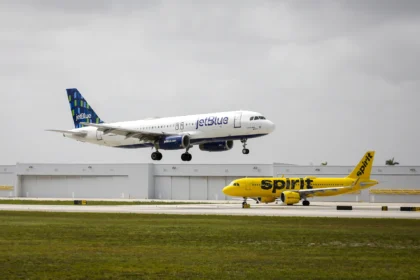
Financial pressure is also accelerating consolidation dynamics. Stronger balance sheets enable larger carriers to absorb cost shocks and capture market share as weaker competitors retrench. Discussions around potential mergers, including exploratory signals from major U.S. carriers, reflect a growing recognition that scale may determine survival under prolonged fuel stress. Meanwhile, unhedged airlines face immediate exposure, amplifying divergence within the sector.
Policy intervention is emerging as a critical variable. European carriers have already called for coordinated kerosene procurement and temporary suspension of aviation-related carbon costs, indicating that market mechanisms alone may not stabilize supply in the near term. With refinery recovery timelines uncertain and geopolitical risks unresolved, supply constraints are likely to persist beyond the immediate conflict window.
The aviation sector now confronts a redefined cost structure where fuel volatility dictates strategic flexibility, and Your Daily Analysis captures how this shift may permanently alter competitive positioning, forcing airlines to operate with tighter margins, reduced network breadth, and heightened dependence on energy market stability.