

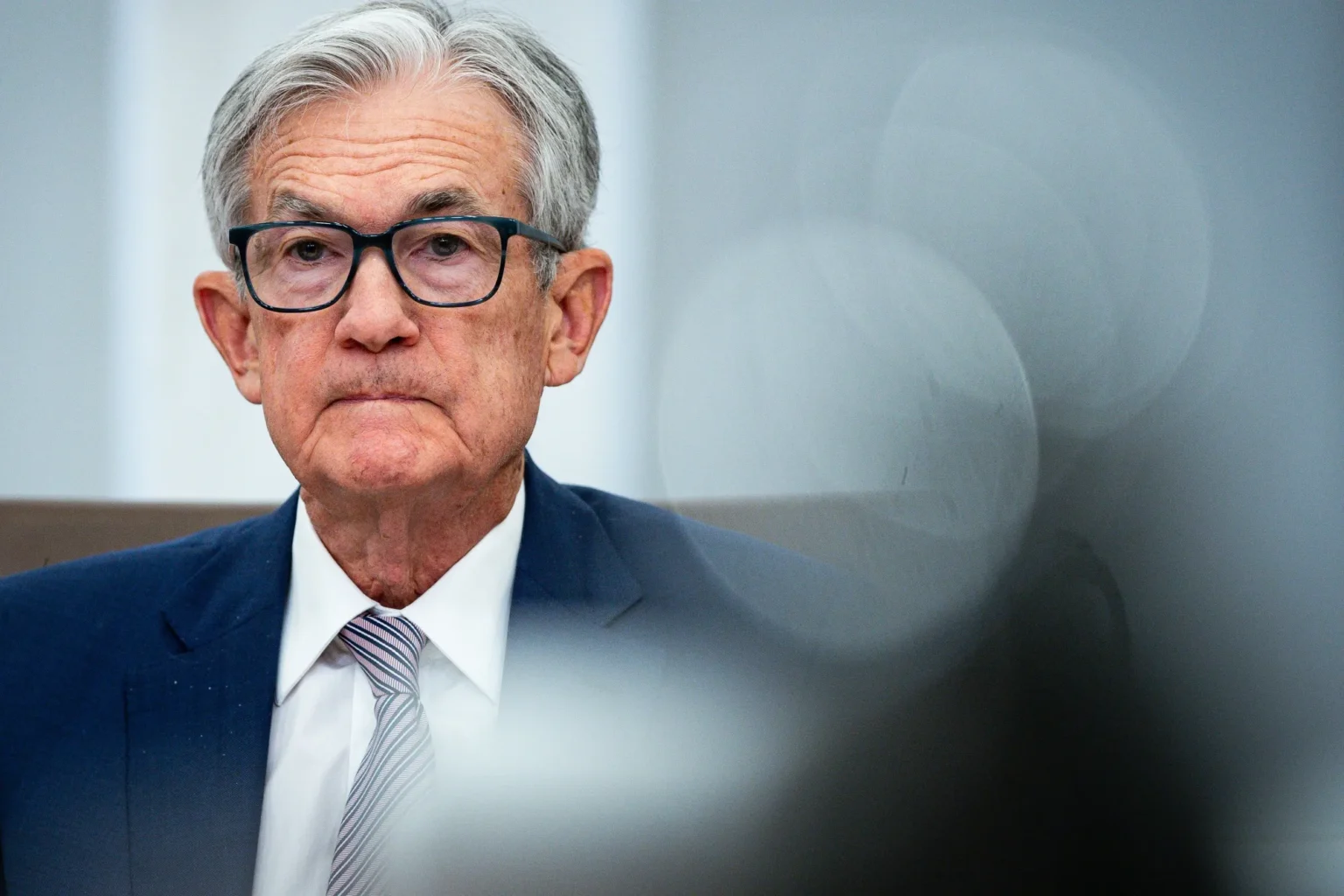
The confrontation between the U.S. Department of Justice and Federal Reserve Chair Jerome Powell is evolving beyond a legal dispute into a broader institutional test. What began as an investigation into cost overruns is now raising concerns about political pressure on monetary policy and the independence of the central bank. YourDailyAnalysis notes that the decision to continue the legal challenge after a federal judge dismissed the subpoenas marks a clear escalation. Instead of de-escalating after a weak court position, the Justice Department’s support for an appeal suggests that the process itself has become strategically important. This shift introduces uncertainty around whether legal mechanisms are being used strictly for enforcement or as part of a broader political approach.
The reported change in Donald Trump’s position reinforces this dynamic. His growing support for continuing the case points to a more personalized conflict, where institutional decisions may be influenced by political sentiment. From a market perspective, this raises concerns that monetary policy expectations could become entangled with political developments rather than purely economic signals.
As the situation develops, YourDailyAnalysis highlights the role of U.S. Attorney Jeanine Pirro as a key driver behind the continuation of the case. Backing from senior Justice Department officials provides formal legitimacy, but it also creates a sensitive precedent. Legal pressure on an independent institution like the Federal Reserve risks being interpreted as an attempt to influence its decision-making framework.
The court’s rejection of the subpoenas should typically have reduced tensions, given the lack of supporting evidence. Instead, the choice to pursue further legal action increases the likelihood of a prolonged dispute. This creates an extended period of uncertainty, particularly as it intersects with leadership changes at the central bank. YourDailyAnalysis also points to the growing political dimension surrounding the potential appointment of Kevin Warsh. Resistance in the Senate, including threats to delay confirmation, suggests that the leadership transition at the Fed may become increasingly politicized. This adds another layer of risk, as markets rely heavily on the perception of continuity and independence in central bank governance.
Powell’s decision to remain in his role until the investigation is fully resolved reflects an effort to preserve institutional stability. At the same time, it may prolong the conflict and keep uncertainty elevated. The underlying issue – cost overruns in a building project – appears secondary when viewed against the broader context of disagreements over interest rate policy. From a market standpoint, these developments are significant. YourDailyAnalysis emphasizes that any perceived erosion of Federal Reserve independence can lead to higher volatility across rates and currency markets. Investors may begin to price in additional risk, particularly if political influence over monetary decisions becomes a credible concern.
Several scenarios remain possible. A successful appeal could increase pressure on Powell and accelerate leadership changes, while a failed appeal could weaken the administration’s position but extend political tensions. In both cases, uncertainty is likely to persist in the near term. Your Daily Analysis suggests that the situation represents a structural test of the balance between political authority and central bank independence. For investors, monitoring legal developments alongside policy signals will be critical, as this conflict may shape market expectations beyond traditional macroeconomic factors.