



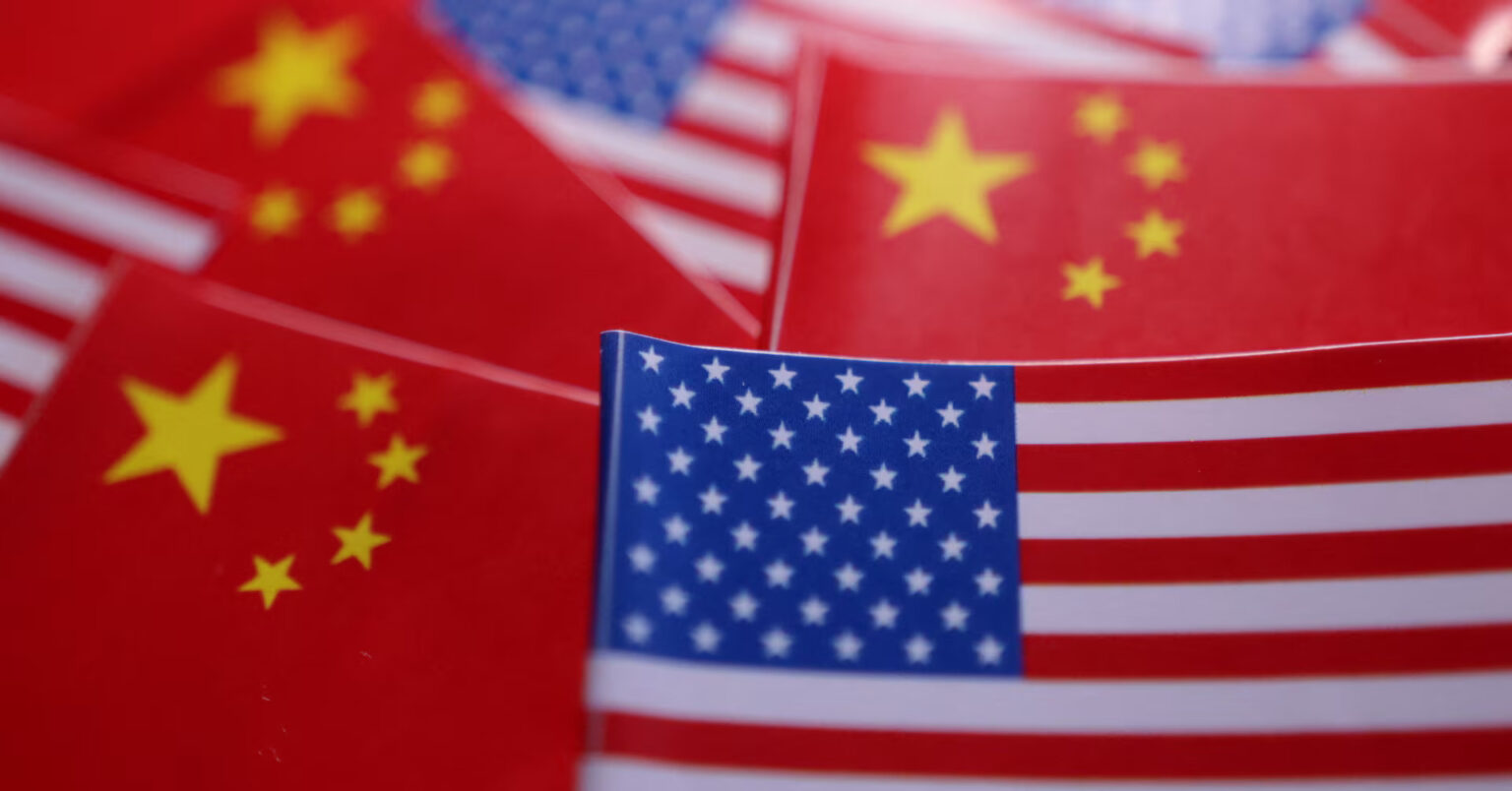
The diplomatic optimism that followed last year’s meeting between Donald Trump and Xi Jinping has given way to a more calculated phase of economic competition, where cooperation coexists with structural pressure-building. Early signals of de-escalation have not translated into restraint, and the evolving posture reveals a deliberate expansion of leverage tools – a trajectory that YourDailyAnalysis highlights as central to the next phase of U.S.–China relations. Despite maintaining a formally stable tone ahead of a planned mid-May summit, Beijing has introduced a series of regulatory and industrial measures that significantly broaden its capacity to respond to external economic pressure. These include tighter controls on rare earth exports, restrictions on foreign technology in critical infrastructure, and new legal frameworks enabling action against entities perceived to undermine China’s supply chain position. Rather than reactive policymaking, these steps indicate forward planning designed to reshape the balance of economic coercion.
The regulatory shift becomes clearer when examining the April measures signed by Premier Li Qiang, which authorize investigations, asset seizures, and entry bans tied to what Beijing defines as discriminatory or extraterritorial actions. This legal architecture introduces a new asymmetry into global business operations, where disengagement from China carries rising compliance risks. Within this environment, YourDailyAnalysis identifies a structural transition from trade dispute management toward systemic deterrence mechanisms embedded in domestic law. Washington’s parallel actions – including semiconductor export controls, trade investigations, and scrutiny over supply chains – have reinforced this dynamic rather than containing it. These measures have constrained China’s access to advanced chipmaking technologies, prompting Beijing to accelerate domestic substitution policies. Requirements for local sourcing in semiconductor production and bans on foreign AI hardware in state-backed facilities illustrate a broader push to internalize technological dependencies while reducing exposure to U.S. suppliers.
This evolving contest increasingly revolves around identifying and exploiting “choke points” – sectors where one side can exert disproportionate influence over the other. Rare earth elements, critical for defense and electronics, have already demonstrated their strategic weight, with earlier export controls disrupting U.S. automotive supply chains within weeks. YourDailyAnalysis underscores that China’s ongoing efforts to locate additional leverage areas, including solar manufacturing equipment, reflect a shift toward proactive vulnerability mapping rather than reactive retaliation.
Beyond immediate bilateral tensions, the implications extend into global supply chain architecture. European and multinational firms face mounting uncertainty as overlapping regulatory regimes introduce conflicting compliance obligations. The risk is not limited to trade friction but includes systemic fragmentation, where parallel economic blocs enforce competing standards and restrictions. This trajectory challenges long-standing assumptions about the neutrality and efficiency of globalized production networks. As the current truce approaches its 2026 expiration, the strategic landscape suggests that stability will depend less on negotiated agreements and more on the durability of these newly constructed economic tools. Your Daily Analysis points to a future in which economic statecraft operates through layered legal, technological, and resource-based controls – reducing the likelihood of sudden escalation while embedding persistent, low-intensity pressure into the structure of international trade.