


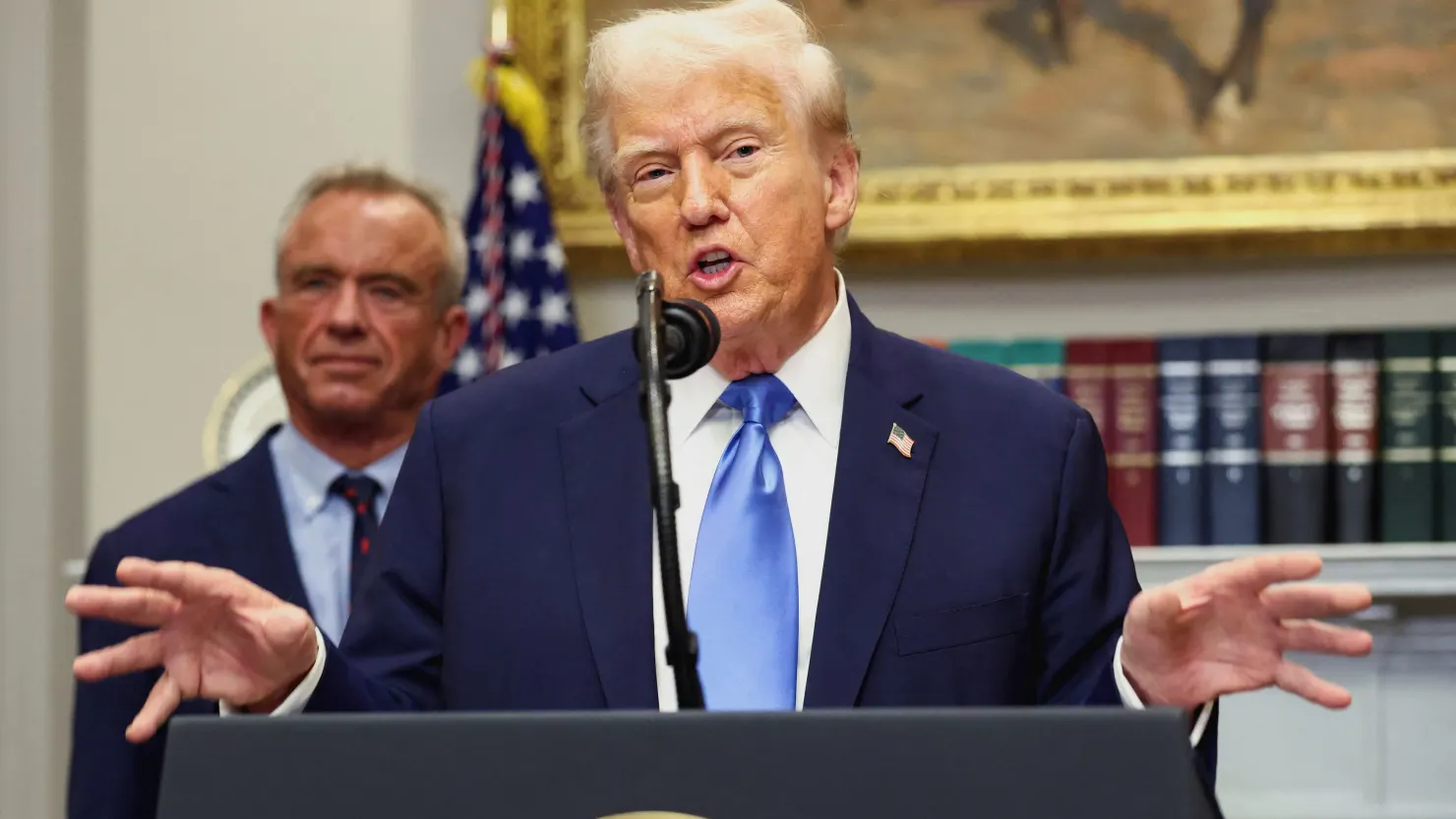
President Donald Trump has unveiled what the White House is calling a “Great Health Plan,” pitching it as a fast-track solution to lower prescription drug prices and reduce insurance premiums. For YourDailyAnalysis, the significance of the announcement lies less in its branding and more in its timing: the proposal arrives as Congress remains deadlocked over the future of Affordable Care Act subsidies, creating a policy vacuum that could expose millions of Americans to higher healthcare costs well before any new framework is fully implemented.
At the center of the plan is a renewed push to formalize international reference pricing for prescription drugs, reviving Trump’s “most-favored-nation” concept. The administration argues that U.S. consumers are disproportionately burdened by global pricing distortions, effectively subsidizing lower drug prices abroad. From an economic standpoint, the logic is straightforward: narrowing international price gaps could deliver targeted savings on high-cost medications. However, history suggests such mechanisms rarely operate in isolation. Price caps often trigger compensating behavior elsewhere in the system, including tighter formularies, reduced rebates, or increased cost-sharing. As YourDailyAnalysis sees it, near-term relief is likely to be selective rather than systemic, concentrated on politically visible drugs rather than across-the-board affordability.
The administration has also framed the plan as a direct challenge to insurers, emphasizing a preference for channeling financial support straight to patients rather than maintaining subsidy flows through insurance providers. While rhetorically powerful, this approach collides with a practical constraint: enhanced ACA subsidies are scheduled to expire unless Congress acts. If that happens, premium increases could materially outweigh any savings generated through drug pricing reforms. In this context, YourDailyAnalysis views the subsidy debate as the dominant variable shaping household outcomes, with drug pricing policy acting as a secondary modifier rather than a substitute.
Additional elements of the proposal include expanded price transparency requirements for insurers and healthcare providers, as well as measures intended to simplify plan comparisons and reduce surprise billing. Transparency initiatives can improve market efficiency at the margins, but their impact tends to be gradual and uneven. Without enforcement mechanisms or structural incentives to change purchasing behavior, disclosure alone is unlikely to materially bend the healthcare cost curve in the near term.
The political calculus is clear. By foregrounding drug prices, the administration is targeting one of the most emotionally resonant components of healthcare inflation. Yet premium affordability remains the larger and faster-moving pressure point for voters. If Congress fails to stabilize subsidies, the policy narrative risks being overtaken by a tangible rise in out-of-pocket costs, regardless of progress on pharmaceutical pricing.
In sum, Your Daily Analysis interprets the “Great Health Plan” as a high-visibility initiative with uneven execution risk. Its success will depend less on headline drug-price announcements and more on whether lawmakers resolve the structural funding issues underpinning insurance affordability. Until that uncertainty is addressed, households and markets alike should expect continued volatility across the U.S. healthcare landscape.