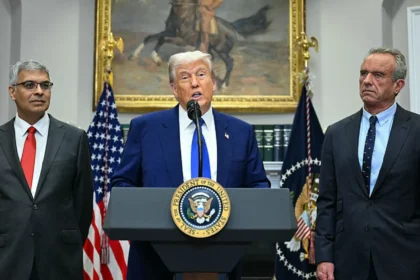


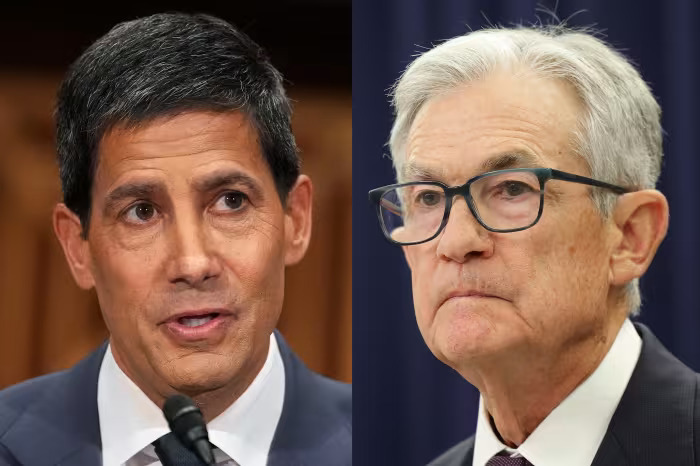
The Federal Reserve’s June meeting is becoming more than another rate decision, with incoming Chair Kevin Warsh and outgoing Chair Jerome Powell set to sit at the same policy table in a rare institutional overlap. YourDailyAnalysis treats the moment as a pressure test for Fed discipline, not a theatrical duel, because markets will read even small differences in tone as signals about the future path of interest rates.
The timing is awkward. Warsh has openly argued for a major reset at the central bank, while Powell leaves the chairmanship under political pressure and after a meeting marked by unusual dissent. Four objections to the Fed’s latest statement already revealed discomfort inside the committee, especially over language that some officials feared could hint too early at easier policy.
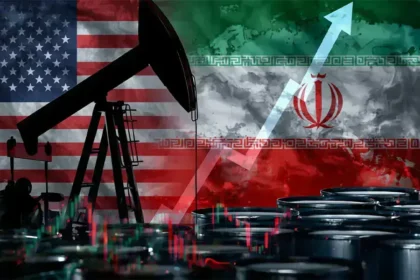
Economic data make the transition harder to manage. Core inflation is still running well above the Fed’s target, with oil shocks tied to the Iran war and tariff effects keeping price pressure alive. Jobless claims, instead of weakening, have fallen to levels not seen since the late 1960s. For a chair expected by the White House to cut rates, that is thin ground. YourDailyAnalysis frames the dilemma as a credibility trap: move too fast, and the Fed looks political; wait too long, and the new leadership risks disappointing the administration that elevated it.
The regional Fed presidents may become the real constraint. Their recent dissents suggest a bloc unwilling to soften policy language without firmer evidence that inflation is cooling. Warsh can control the agenda as chair, but not the votes, and the committee’s culture rewards consensus only when the data allow it. A forced pivot would expose fractures that bond markets would price quickly.
Powell’s decision to remain as governor adds another complication, even if he insists he will keep a low profile. He does not need to act like a rival chair to matter. One carefully worded intervention, one vote against premature easing, one visible alignment with inflation hawks – any of these could shape the committee’s center of gravity. YourDailyAnalysis reads his continued presence as institutional ballast, especially during a period when political expectations are pressing against the Fed’s independence.
The market risk is not simply whether rates fall in June. The larger danger is that investors start trading the Fed as a political institution rather than a data-driven one. If the committee appears split between loyalty to inflation control and pressure for cheaper credit, Treasury yields could become more volatile, not less, even under a rate-cut narrative.
That is why the June meeting carries an unusual charge. It may produce no dramatic confrontation, no visible breach, no open challenge from Powell to Warsh. Yet Your Daily Analysis sees the sharper story in the silence between positions: a central bank can survive disagreement, but it cannot easily absorb doubt about why decisions are being made.