

Global markets pushed deeper into record territory on Thursday as investors piled into technology stocks, brushing aside war risks in the Middle East and political instability in Britain. YourDailyAnalysis captured the mood as one of aggressive optimism rather than calm confidence: traders were not buying because uncertainty had disappeared, but because the cost of staying on the sidelines was beginning to feel greater than the danger of being exposed.
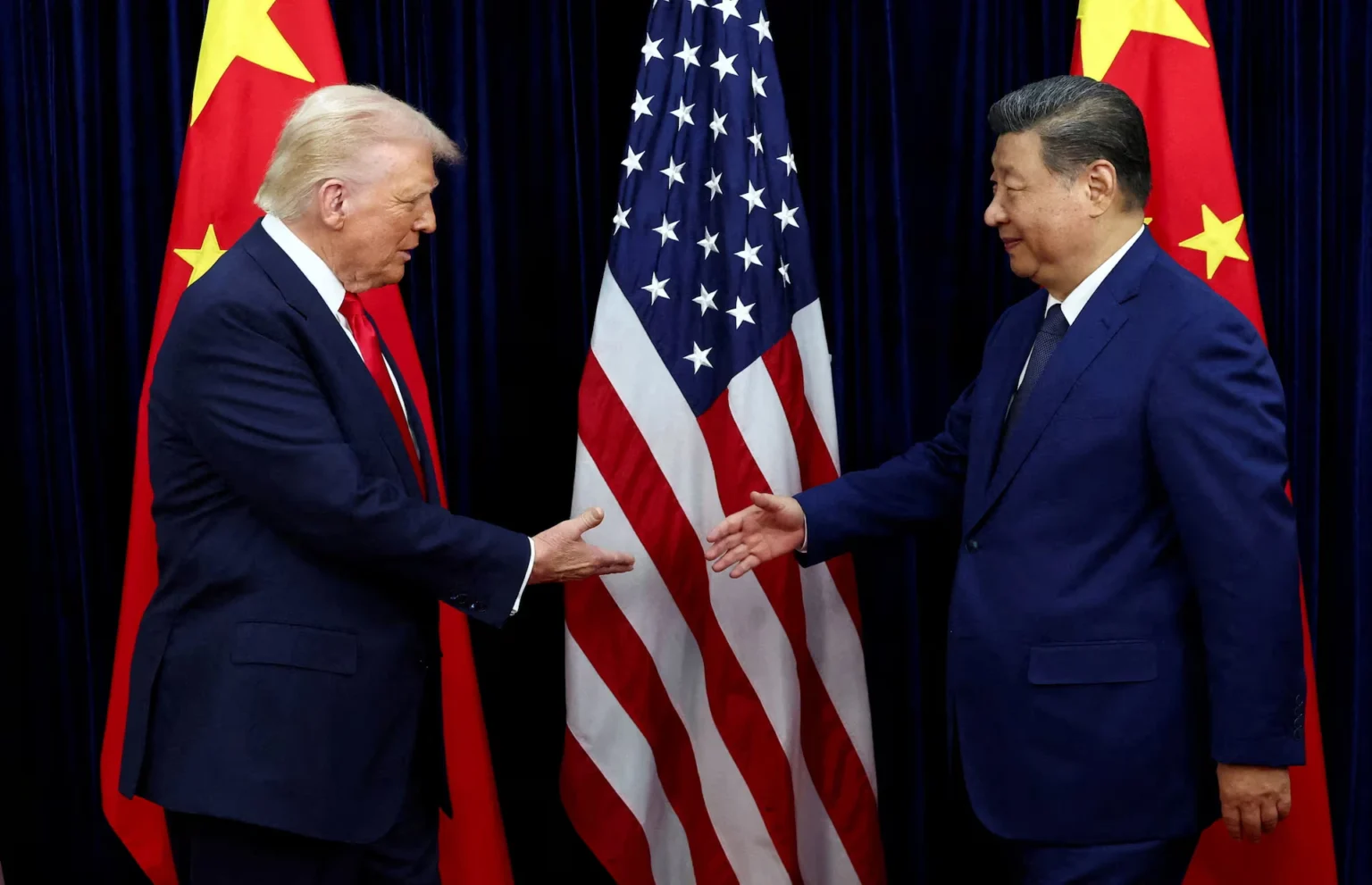
The immediate catalyst came from several directions at once. Reports that vessels were once again moving through the Strait of Hormuz eased fears of a full-scale energy shock, nudging oil prices lower even with Brent crude still above $105 a barrel. In Beijing, the opening of a high-stakes summit between Washington and Beijing offered the possibility of selective détente, while the U.S. decision to allow additional Chinese companies to purchase advanced Nvidia chips reignited enthusiasm around artificial intelligence.
The result was familiar and increasingly powerful. Capital gravitated toward the largest technology companies, with Nvidia extending its role as the market’s gravitational center and Cisco adding fuel after pairing strong earnings with workforce reductions. YourDailyAnalysis views this combination as a defining feature of the current cycle: investors reward firms that promise productivity gains and tighter cost control, even when those gains are accompanied by layoffs and a narrower distribution of economic benefits.
Beneath the rally, fixed-income markets told a more cautious story. Treasury yields retreated from eleven-month highs, not because growth fears vanished, but because lower oil prices reduced immediate inflation pressure and technical buyers stepped into the bond market. The dollar strengthened for a fourth consecutive session as retail sales confirmed that U.S. consumers remain resilient, continuing to spend despite surveys that portray a far more hesitant public.
Britain offered a sharp contrast. Sterling weakened as doubts intensified over Keir Starmer’s political future, and gilt yields remained elevated even after a stronger-than-expected economic reading. YourDailyAnalysis treats that divergence as a reminder that economic data alone cannot stabilize markets when leadership itself becomes a source of uncertainty and investors begin attaching a political premium to sovereign debt.
Gold barely moved, a subtle but telling detail. Traditional havens were not attracting the kind of urgent demand normally associated with war, because speculative capital remained concentrated in equities. Your Daily Analysis argues that the market has entered a phase where geopolitical conflict, central bank restraint and political instability are treated less as reasons to reduce exposure than as background noise to an increasingly concentrated bet that artificial intelligence will keep overpowering every other risk.