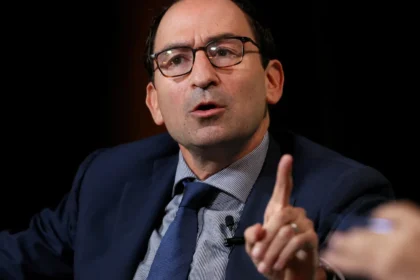



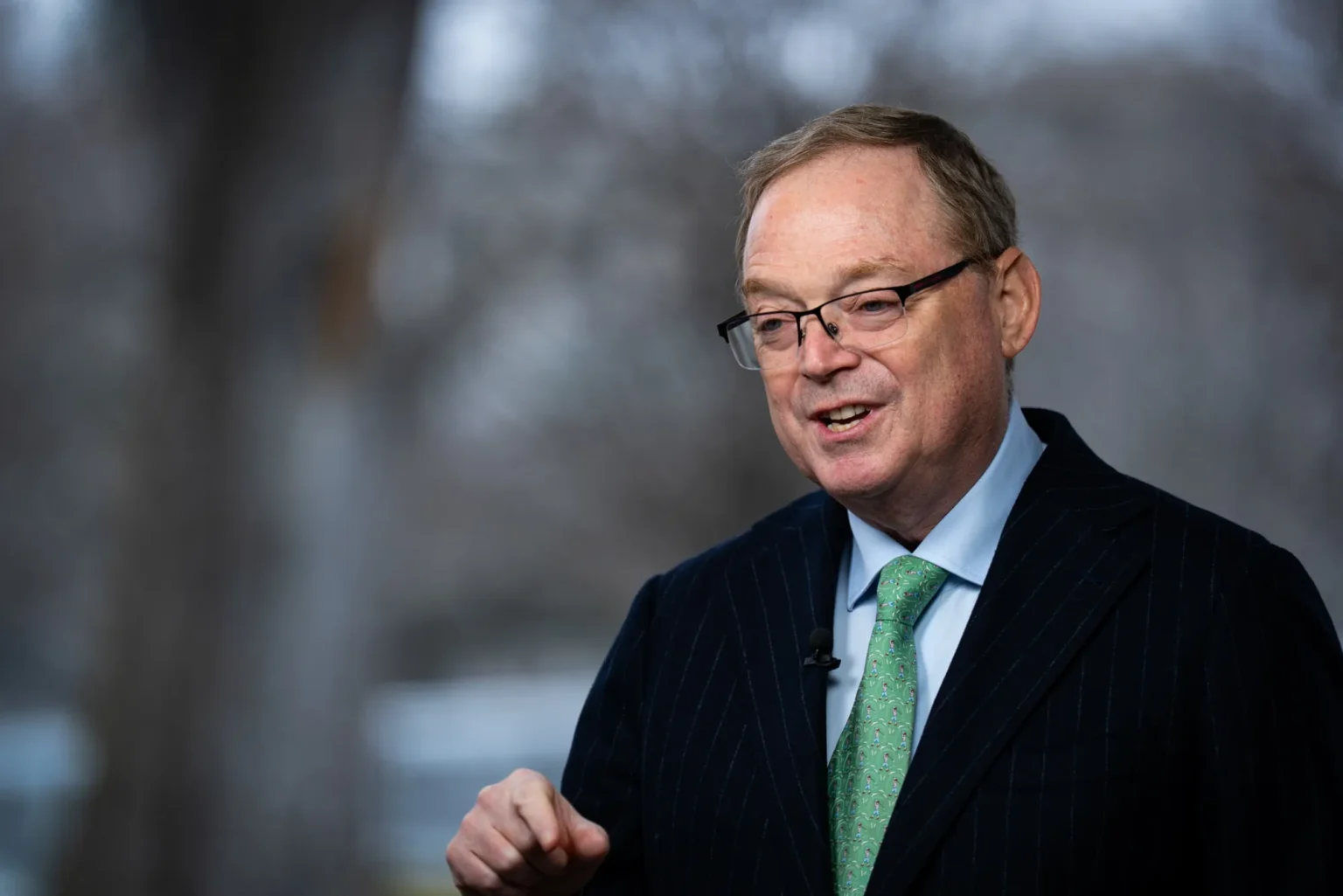
Kevin Hassett, the director of the National Economic Council and President Trump’s chief economic adviser, appeared on Fox News on May 24 to lay out a simple sequence: Iran deal closed, energy prices fall, inflation drops, Fed cuts rates. “We expect energy prices, as soon as there’s a deal, to plummet,” he said. “And when that happens, then there will be a lot of room for the Fed to do the right thing at lower rates.” The argument has a surface logic. But the assumptions underneath it have already started to crack.
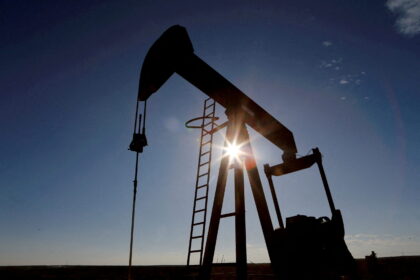
Start with the energy-price premise. Hassett’s claim rests on the idea that the current surge in U.S. consumer price inflation is primarily energy-driven and therefore reversible. YourDailyAnalysis picks apart this argument step by step, because while it contains a kernel of truth, the structure around it is more fragile than the White House is acknowledging. He pointed to April’s data, noting that core CPI ran at 2.8% while headline CPI hit 3.8% – arguing the gap reflects an energy distortion rather than broad-based inflation. That reading is partially correct. The Strait of Hormuz shutdown, which has shut in more than 14 million barrels per day of Gulf oil since February 28, has sent gasoline and utility costs sharply higher. If a deal reopens the waterway and those prices fall, the 100-basis-point gap could theoretically close by moving headline down rather than pushing core up further.
There is a counter-argument worth taking seriously. EY-Parthenon chief economist Gregory Daco told investors in a research note that even incorporating a deal scenario, the firm had revised its baseline to show only one rate cut in 2026, likely in December, because the inflation path is structurally more persistent than a single energy shock explains. The University of Maryland energy economics team has noted that the supply disruption has lasted long enough to generate second-round effects – transportation cost inflation flowing into goods prices, food logistics costs rising, utility rate increases at the state level. These effects do not reverse the moment oil prices fall. They are embedded inflation that persists beyond the commodity correction.
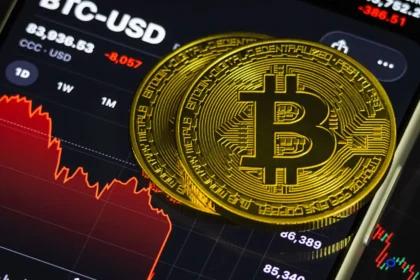
There is also the question of timing. Hassett spoke on a Sunday morning show as negotiations over the precise language of a deal were still ongoing, with U.S. officials telling reporters on the same day that final approval could take several more days. Meanwhile, Fed Governor Christopher Waller warned on Friday that the energy shock from the Iran war could fuel inflation, ramping up bets on monetary tightening. The market response was to sell gold and push Treasury yields higher. That is the bond market pricing in higher inflation for longer – not the benign peace-deal scenario Hassett sketched. YourDailyAnalysis maps the political stakes underneath Hassett’s economic reasoning: the White House wants voters to see a pathway from peace to cheaper gasoline to lower borrowing costs, which is as much a messaging exercise as an economic forecast.
The messaging may prove correct if a deal materializes quickly and prices do plummet as promised. There is a real scenario where Hassett is right. If the Strait reopens by June, WTI drops from $100 to $75, and gasoline prices at the pump fall by $0.60 to $0.80 per gallon within eight weeks, headline CPI could drop to the 2.5-3.0% range by autumn. That would create genuine political space for a Fed cut. The sequence Hassett described would then look prescient. But it sets a very public expectation that Warsh’s Fed would then be under immediate pressure to validate. Whether that deference survives the first FOMC meeting where Warsh holds rates despite a peace deal is the test everyone is now watching. There is also the question of what “plummet” means in practice. A 20% drop in WTI from $100 to $80 would trim headline CPI by roughly one percentage point over two to three months – meaningful but not enough to open the door for rate cuts while core remains at 2.8% and embedded service-sector inflation runs above target. Your Daily Analysis drives home the asymmetry: if the deal happens, Hassett’s thesis gets market validation regardless of whether second-round inflation lingers. If the deal stalls and CPI keeps climbing through the summer, the sequence breaks entirely – and the administration is left arguing about energy prices while the bond market prices in rate hikes.